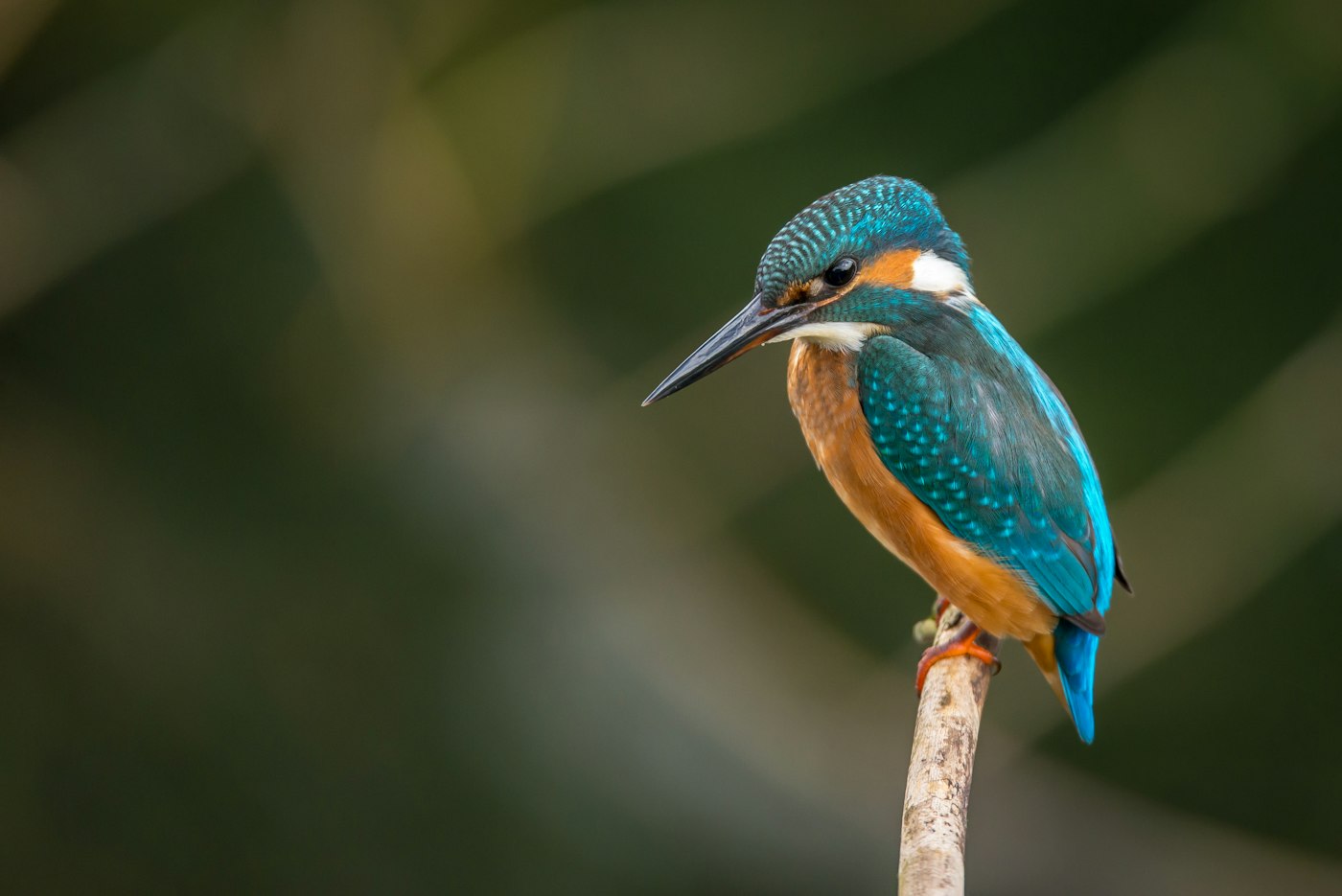
Most people move to Phuket for the beaches, but after six years here I'll tell you the real secret: step into Khao Phra Thaeo before 7am on an October morning and the island transforms into one of Southeast Asia's most rewarding birding sites. Great Hornbills cut arcs overhead, kingfishers flash turquoise along every stream, and if you're very lucky, you'll hear the low boom of a Banded Pitta from somewhere deep in the undergrowth. Phuket's remaining forest patches and coastal wetlands support over 300 recorded species — a fact that surprises almost everyone who finds out about it.
Quick Facts: Birdwatching in Phuket
- Species recorded: 300+ (resident + migratory)
- Best season: Oct–Feb (migrants present, cooler mornings)
- Top spot: Khao Phra Thaeo NP (northeast Phuket)
- Park entry fee: 200 THB foreigners / 20 THB Thais (Khao Phra Thaeo)
- Best time of day: Dawn, 05:30–08:00
- Must-bring: Binoculars (8×42 ideal), light clothing, insect repellent
- Guide cost: 800–1,500 THB half-day
The Best Birdwatching Spots in Phuket
Khao Phra Thaeo National Park — Phuket's Birding Crown Jewel
This 23 km² protected forest in Phuket's northeast (accessible from Thalang) is where serious birders head first. The park protects the last significant lowland rainforest on the island and shelters species you simply won't find on beach-facing hillsides. The trail network starts from the Bang Pae waterfall entrance and winds uphill through dense dipterocarp forest. Great Hornbills and Oriental Pied Hornbills nest here — seeing them fly is a genuine jaw-drop moment, their enormous wingspans and casqued bills like something from a Jurassic scene. Resident species include various kingfishers, flowerpeckers, sunbirds, bulbuls, and several owl species that you're most likely to encounter on early morning visits. Entry is 200 THB for foreigners; the park opens at 08:00 but being at the gate before that is worth it.
Sirinat National Park — Mangroves and Shorebirds
Covering the northwest coast from Mai Khao to Nai Yang, Sirinat is Phuket's coastal birding gem. The mangrove boardwalk at the northern end of the park (near the airport) offers brilliant access to Mangrove Pitta habitat — one of the most-wanted birds for visiting birders. White-bellied Sea Eagles patrol overhead, while mudflat waders like Common Sandpiper, Whimbrel, and Eurasian Curlew work the tidal margins from October onward. Entry is 100 THB. The best section runs between the northern car park and the mangrove creek — about 2 km on foot.
Bang Tao Wetlands and Lagoon
The wetland area behind Bang Tao beach — accessible via back roads off Laguna — holds Little Egret, Purple Heron, Striated Heron, and sometimes the spectacular Purple Swamphen. This is free birding from public roads and tracks; no entry fee. Best visited in the early morning before the resort golf carts start appearing. Chinese Pond Heron, Javan Pond Heron, and various kingfishers are resident. From November, migrant ducks and waders use the flooded paddies.
Chalong Bay Mudflats
At low tide, the mudflats south of Chalong Pier are a reliable shorebird site. Waders including Kentish Plover, Greater Sand Plover, and Curlew Sandpiper appear from August through April. Brahminy Kites and Grey-headed Fish Eagles hunt overhead. This is entirely free and easy to access — park near the pier and scan southward. Great spot to combine with breakfast at one of the Chalong coffee shops.
Ao Phang Nga Bay Day Trips
If you're willing to go slightly further afield (a 45-minute drive to Tha Dan pier in Phang Nga province), Ao Phang Nga's mangrove-lined channels are exceptional. Black-faced Spoonbill, Milky Stork, Storm's Stork, and rare terns have all been recorded. This is serious birding territory. Several kayak tour operators out of Phuket Town run day trips — combining sea kayaking with birding is one of the best experiences Phuket's surroundings offer. See our guide to sea kayaking in Phuket for recommended operators.
Phuket Resident Bird Species: What to Look For
Phuket's year-round residents form the core of any birding list. Here are the species most likely to delight a newcomer:
| Species | Where to Find | When | Notes |
|---|---|---|---|
| Great Hornbill | Khao Phra Thaeo | Year-round | Massive; unmistakable |
| Oriental Pied Hornbill | Khao Phra Thaeo, forest edges | Year-round | Common; black-and-white bill |
| White-bellied Sea Eagle | Coastal areas, Sirinat | Year-round | Soars over beaches and bays |
| Brahminy Kite | Chalong, coastal Phuket | Year-round | Chestnut-red; regal soarer |
| Collared Kingfisher | Mangroves, waterways | Year-round | Most common kingfisher |
| Mangrove Pitta | Sirinat mangroves | Year-round (harder Oct–Mar) | Brilliant colours; secretive |
| Stork-billed Kingfisher | Bang Tao lagoon, streams | Year-round | Huge; loud call |
| Black-and-red Broadbill | Khao Phra Thaeo | Year-round | Striking; often in pairs |
| Common Tailorbird | Gardens, hotel grounds | Year-round | Tiny; sews leaves for nest |
| Blue-throated Bee-eater | Open country, Thalang | Year-round | Electric blue throat |
Migratory Species: October to March
Phuket sits on a significant flyway. From October through March, migrants pour in from central and northeastern Asia. Shorebirds, raptors, warblers, and flycatchers all feature. Notable migrants include Black-naped Tern, Little Tern, Eurasian Hobby, Eastern Marsh Harrier, and the beautifully named Oriental Dollarbird. The bang-on best month is November — warm enough for pleasant dawn birding, cool enough by island standards that you won't wilt before 8am.
Practical Tips for Birding in Phuket
When to Go Out
Dawn is non-negotiable. The hour between 05:45 and 07:00 is when Phuket's birds are most active, vocal, and visible. By 09:00 on most days, the heat suppresses activity significantly. Carry water — even in the cool season it gets hot quickly on forest trails.
Gear You Actually Need
A decent pair of binoculars — 8×42 is the standard recommendation — makes an enormous difference. You can buy mid-range binoculars (Nikon, Celestron) from HomePro in Phuket Town for 2,500–6,000 THB. A copy of Craig Robson's "Birds of Thailand" or Lekagul & Round's classic field guide is helpful but the free eBird app does the job for most people. Light-coloured, long-sleeved clothing and a decent hat are essential — both for sun protection and for not spooking birds.
Using eBird in Phuket
The eBird platform (ebird.org) has extensive Phuket data contributed by resident birders over many years. Before any outing, pull up the "Explore" map for Phuket and search recent sightings around your target location. It's the fastest way to know whether anyone spotted a Blue Pitta at Khao Phra Thaeo last week. Submitting your own checklists contributes to the island's ornithological database — the local birding community appreciates it.
Heading Out? Make Sure You're Covered
Phuket's forest trails involve uneven ground, heat, and the occasional wasp. Expat health insurance keeps a minor incident from becoming a major bill. Get a free quote tailored to Phuket residents.
Phuket Birding Groups and Community
The Phuket and Phang Nga birding community is active and welcoming. The "Phuket Birds" Facebook group has several thousand members and regularly posts sighting reports, photo IDs, and organised walks. Kai Sorensen and other long-term resident birders organise occasional group visits to Khao Phra Thaeo — joining one is the fastest way to learn the park's trails and find the right trees. The Phuket Bird Club meets informally and coordinates through the Facebook group.
If you're visiting Phuket specifically for birds, consider tagging on a day in Krabi or Khao Lak — both are within 2 hours and add substantial species diversity. The national parks near Phuket guide covers Khao Lak and Khao Sok in more detail.
Questions about the best routes, local guides, or what to expect at specific sites? We're happy to share what we know from six years on the island.
Ask Us Anything →Getting to the Main Birding Sites
Khao Phra Thaeo is about 20 km northeast of Phuket Town — around 30 minutes by car. There's no public transport directly to the park gate, so you'll need a rental car or scooter, or a Grab taxi. Parking is free at the Bang Pae waterfall entrance. Sirinat is approximately 35 km northwest of Phuket Town, again most easily reached with your own transport. The driving and transport guide covers car rental options and the basics of navigating the island.
What to Do After a Morning Birding Session
Conveniently, Phuket's best birding areas are near some excellent food. After Khao Phra Thaeo, the Thalang area has good local restaurants serving khanom jeen (rice noodles with curry) and pat krapao from about 07:00. After Sirinat, Nai Yang beach has several Thai breakfast spots. The combination of 5am birding, a great find in the forest, and a plate of eggs and toast with sea views by 9am is one of the island's genuine pleasures.
For more on outdoor activities in Phuket, see our guides to sea kayaking and paddleboarding, national parks near Phuket, and the lifestyle hub for the full picture of what the island offers beyond the beach.
Frequently Asked Questions
What birds can I see in Phuket?
Phuket hosts over 300 recorded species including Great Hornbill, Oriental Pied Hornbill, Black-and-red Broadbill, Collared Kingfisher, White-bellied Sea Eagle, Brahminy Kite, egrets, herons, and dozens of migrant waders from October to March.
What is the best birdwatching spot in Phuket?
Khao Phra Thaeo National Park in the northeast is widely considered the best inland birdwatching site, with hornbills, pittas, and forest species. For coastal and wetland birds, the mangroves of Ao Phang Nga and Sirinat National Park are top choices.
When is the best time to go birdwatching in Phuket?
October to February is prime — the northeast monsoon delivers migrants from northern Asia, while lower heat makes long walks more comfortable. Dawn outings (05:30–08:00) are most productive year-round.
Do I need a guide for birdwatching in Phuket?
Not strictly necessary, but a local guide adds significant value. They know exactly which tree the hornbills are nesting in this season. Expect 800–1,500 THB for a half-day guided session.
Is birdwatching in Phuket free?
Many spots are free — Bang Tao wetlands, Chalong Bay mudflats, and roadside forest patches cost nothing. Khao Phra Thaeo charges 200 THB entry for foreigners. Sirinat National Park is 100 THB per person.
Are there birdwatching tours in Phuket?
Yes. Local naturalist guides offer half-day tours at Khao Phra Thaeo and coastal wetlands, typically 1,500–3,000 THB per person including transport. Bookable through expat community boards and Facebook naturalist groups.
Related Outdoor Guides
- Cycling in Phuket: Routes, Clubs & Bike Rentals 2026 — Cycling through Khao Phra Thaeo and the north coast is brilliant for spotting birds en route
- Rock Climbing in Phuket & Krabi — Another outdoor adventure that combines well with a day trip from Phuket
- Volunteering in Phuket — Reef Check and wildlife conservation organisations welcome nature-lovers
- National Parks Near Phuket — Explore Khao Phra Thaeo and Sirinat in more depth