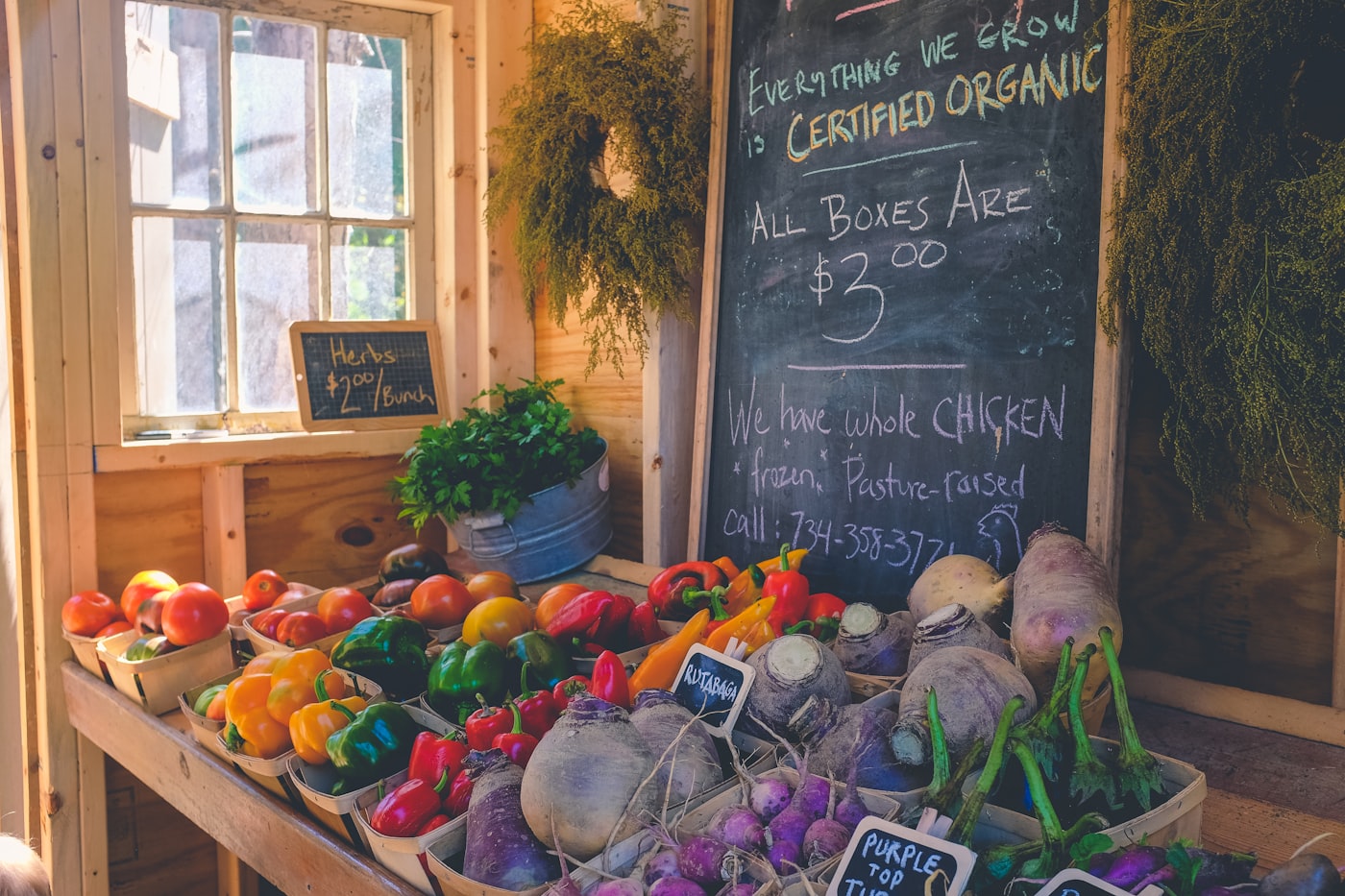
One of the unexpected joys of living in Phuket is that some of the world's best cuisine is produced in your kitchen once you know where to shop. Thai food uses a relatively short list of core ingredients, but sourcing them fresh — the galangal that actually smells like galangal, the holy basil that doesn't wilt two hours after you buy it — makes all the difference.
After six years here, I've developed a rotation of markets and shops that gives me everything from fresh Thai herbs at 7am to decent Parmesan at noon. This guide covers it all: the wet markets, the supermarkets, what to buy where, and the approximate 2026 prices so you're not getting tourist-taxed.
Fresh Thai herbs & vegetables: Wet markets (Talat Kaset, Chalong, Rawai seafood) · Quality all-rounder: Villa Market · Bulk / value: Makro Talang · Mid-range: Tops at Central Festival · Western imports: Villa Market Bang Tao, Gourmet Market Porto de Phuket
Phuket's Wet Markets: Where the Real Cooking Happens
If you want to cook Thai food properly, you start at a wet market. Supermarkets are convenient but they're selling yesterday's herbs wrapped in plastic. Wet markets sell this morning's harvest, and the difference is noticeable in both flavour and price.
Talat Kaset (Phuket Town) — Best Overall
The two Kaset markets (Kaset 1 and Kaset 2, about 500m apart on Ranong Road) are the largest wet markets on the island. Kaset 1 is the fresh produce side: vegetables, herbs, fruits, fresh tofu, live and fresh fish. Kaset 2 is more dry goods, spices, and the remarkable dried seafood section that sends your car smelling like Phuket for three days (windows down on the way home).
Open 6am–noon daily. Best time: 7–8am when produce is freshest and the market is at full activity. Parking in the adjacent lots is ฿20 flat fee or free street parking if you arrive early.
Chalong Market — South Phuket's Best
The main Chalong market (near the Chalong circle on Chao Fa West Road) is excellent for south Phuket expats in Rawai, Nai Harn, and Chalong itself. Slightly smaller than Kaset but the vendors know their regulars and the produce quality is consistently good. There's also a night market section that runs 5pm–9pm with cooked food stalls.
Rawai Seafood Market — For Fish
The Rawai Seafood Market on the beachfront is Phuket's most famous fresh fish market and genuinely lives up to its reputation. Whole fish, prawns, crab, squid, all bought direct from boats. You can also eat on-site — pick your fish, they cook it next door. For cooking at home, expect to pay ฿80–200/kg for fish depending on species, ฿150–300/kg for prawns.
Bang Tao Market (Near Boat Lagoon)
The morning market near Bang Tao and the Boat Lagoon area is less well-known but convenient for north Phuket expats. Good for vegetables, fresh herbs, and some imported produce that the Bang Tao community brings in. Usually done by 9am.
Essential Thai Cooking Ingredients & Where to Buy Them
Here's the breakdown of the key ingredients for a Thai kitchen, with where to find them in Phuket and rough 2026 prices:
| Ingredient | Thai Name | Wet Market Price | Supermarket Price | Notes |
|---|---|---|---|---|
| Fish sauce | น้ำปลา (nám bplaa) | ฿30–45 (700ml) | ฿40–55 | Tiparos or Megachef brands best for cooking |
| Oyster sauce | น้ำมันหอย | ฿35–50 (600g) | ฿45–60 | Maekrua brand ubiquitous |
| Shrimp paste | กะปิ (gà-bpì) | ฿20–35 (100g) | ฿25–45 | Wet market has better quality/fresher |
| Palm sugar | น้ำตาลปีบ | ฿25–40 (500g) | ฿35–55 | Solid blocks at wet market; paste in jars at supermarket |
| Galangal | ข่า (kàa) | ฿20–30/bunch | ฿35–50/pack | Always buy fresh; dried is a poor substitute |
| Lemongrass | ตะไคร้ (dtà-krái) | ฿10–15/bunch | ฿20–30/pack | Buy extra, freeze what you don't use |
| Kaffir lime leaves | ใบมะกรูด | ฿5–10/bag | ฿15–25/pack | Essential for Tom Kha, curry pastes |
| Thai basil (holy) | กะเพรา (gà-prao) | ฿5–10/bunch | ฿15–20/pack | Thai basil ≠ Italian basil — make sure you get the right one |
| Fresh turmeric | ขมิ้น (kà-mìn) | ฿15–25/piece | ฿20–35 | Phuket-style Massaman uses fresh turmeric |
| Coconut milk | กะทิ (gà-tì) | ฿25–35 (can) | ฿30–45 | Chaokoh and Aroy-D brands reliable |
| Tamarind paste | มะขาม (má-khǎam) | ฿20–35 (block) | ฿30–50 (concentrate) | Wet market sells fresh blocks; better flavour |
| Dried chilies | พริกแห้ง | ฿30–50/100g | ฿35–60/pack | Multiple heat levels; label reading helps |
Small green chilies (พริกขี้หนู) are hotter than large red ones. Large green and large red chilies are mild to medium. If you want flavour without heat, ask for "mai phet" (ไม่เผ็ด) or buy the large red/green ones labelled as mild. The tiny bird's-eye chilies are the ones that will ruin your evening if you're not careful.
Supermarkets: When You Don't Have Time for the Market
Villa Market (Bang Tao Branch — Best)
Villa Market is the expat-favourite Western-leaning supermarket. The Bang Tao branch (on the Laguna side near Boat Avenue) is the largest and best-stocked. Strong on: imported cheeses, Western condiments, good olive oil, fresh pasta, Australian beef, Japanese and Korean pantry items, and a solid wine selection. The Thai section is decent but wet-market prices beat them on freshness. Budget ฿600–1,200 for a medium weekly top-up shop here.
Tops Supermarket (Central Festival, Phuket Town)
Mid-range and well-stocked. Good for Thai pantry essentials, decent fresh produce, and some imported goods. The Central Festival branch (near Phuket Town) is the largest. Prices sit between Makro (budget) and Villa Market (premium). Useful for one-stop shopping when you need both Thai and Western items.
Makro (Talang Branch)
Makro is bulk-buying heaven. The Talang (Thalang) branch is the main one. Requires a member card (free to get, takes about 10 minutes). Exceptional for: bulk rice, bulk sauces, large cans of coconut milk, wholesale spice packs, cooking oil, and any staple you use in volume. Not good for fresh herbs — they often wilt. If you entertain regularly or cook for a family, Makro once a month is financially sensible.
Gourmet Market (Porto de Phuket, Cherng Talay)
The best option for high-quality Western imports north of Phuket Town. Excellent charcuterie, good cheese counter, proper sourdough, decent organic vegetables. Prices are high but the quality matches. Popular with the Surin and Kamala expat community.
Specialty Shops Worth Knowing
Beyond markets and supermarkets, Phuket has a few specialty sources that serious home cooks should know about:
- Asian ingredients (Japanese/Korean): Fuji Japanese Restaurant area in Phuket Town has a small Japanese grocery, and several shops in the Royal Phuket City Hotel area stock Korean imports including gochujang, doenjang, and rice cakes.
- Indian spices: Phuket Town's old Muslim quarter (around Thalang Road) has several small shops selling fresh Indian spices, curry powders, and chutneys at very reasonable prices.
- Fresh pasta and Italian: La Trattoria at Dusit Thani Laguna and some Italian-owned delis in Bang Tao sell fresh pasta occasionally. For packaged Italian goods, Villa Market Bang Tao is best.
- Health food / organic: Produce Club at Boat Avenue (Bang Tao) stocks organic Thai vegetables, good herbal teas, and some imported health products. Natural Health Food Store on Chao Fa Road (Chalong) is also well-stocked.
Spend THB Like a Phuket Local
Wise gives you a local Thai bank account and debit card with mid-market exchange rates. Pay at Villa Market, Makro, or anywhere that accepts card — no currency conversion fees.
Get a Wise Account Free →Building a Thai Pantry: Your First Shop List
If you're new to cooking Thai food in Phuket, here's a practical first-shop list that covers most recipes. Budget around ฿800–1,200 for the initial pantry setup, then ฿200–400/week to replenish fresh items:
- Dry goods (Makro or supermarket): jasmine rice (5kg), fish sauce (700ml), light soy sauce, dark soy sauce, oyster sauce, coconut milk (6 cans), palm sugar (500g), dried chilies, rice noodles, glass noodles
- Wet market regulars: galangal, lemongrass (buy extra, freeze), kaffir lime leaves, fresh chilies, Thai basil, coriander, spring onions, garlic, shallots
- Refrigerator basics: shrimp paste (gapi), tamarind paste, curry paste (several types — Mae Ploy is the most widely available good brand)
To build your cooking skills, check out the excellent Phuket cooking classes for expats — most include a market tour that teaches ingredient identification from the ground up.
New to Phuket and Not Sure Where to Start?
Our team helps expats navigate every practical aspect of Phuket life — from neighbourhood choice to daily shopping. Ask us anything free.
Ask the Team →Frequently Asked Questions
Related Guides
- Phuket Cooking Classes for Expats
- Best Cafés in Phuket for Expats
- Cost of Living in Phuket 2026
- Phuket Town Area Guide
- Phuket Lifestyle Hub
- New to Phuket? Start Here