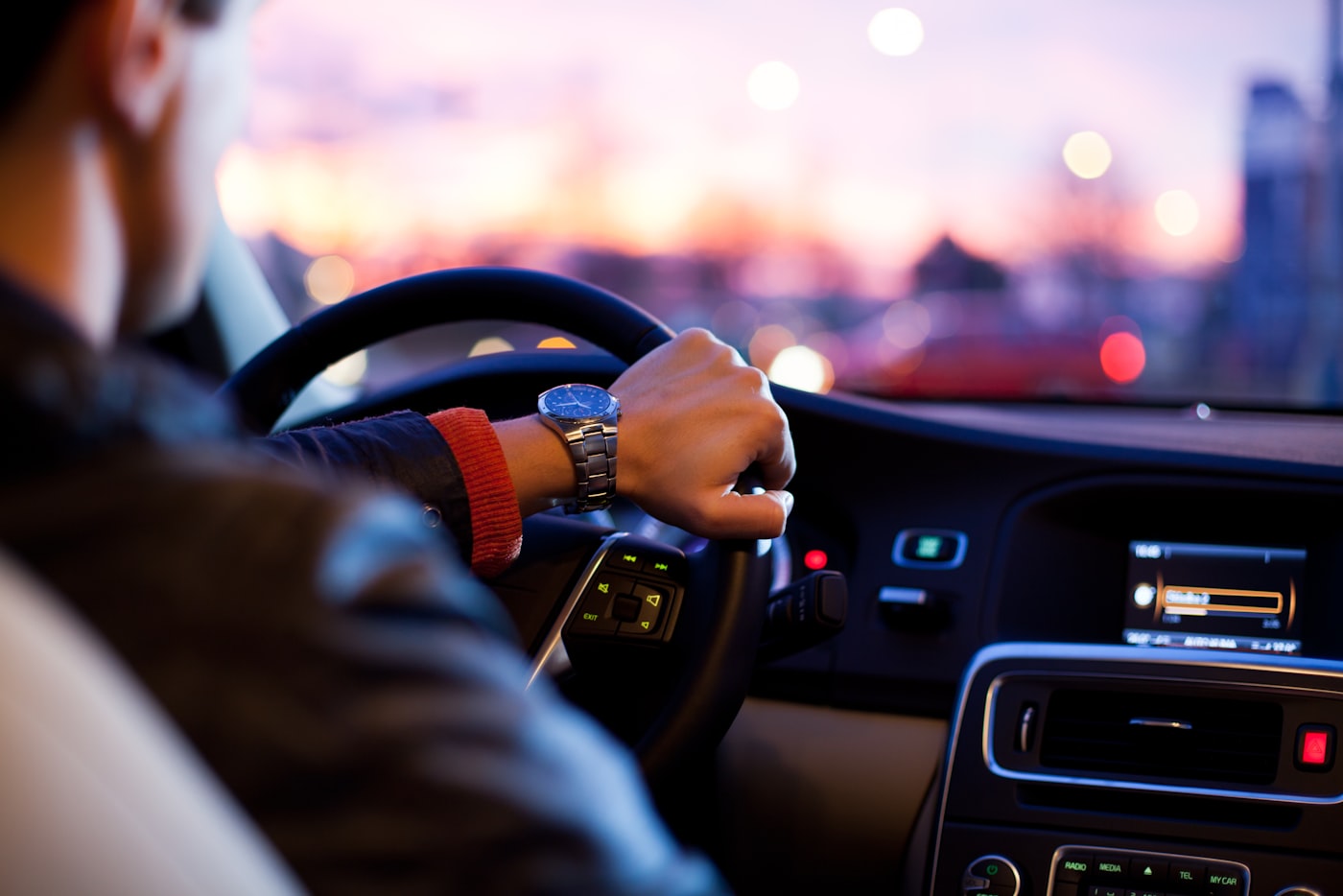
Let me be straight with you: driving in Phuket takes some adjustment. After coming from a country with orderly roundabouts and lane discipline, your first week on a motorbike in Patong might feel like participating in a structured chaos tournament. The good news is that it becomes completely manageable once you understand the unwritten rules — and knowing them could genuinely save your life.
Six years in Phuket, one borrowed motorbike that met a wet corner on the Kata-Karon hill (I was fine, the mirror wasn't), and a fully valid Thai driving licence later — here's what I know about driving on this island.
Key Facts — Driving in Phuket
- Drive on the LEFT — like UK, Australia, Japan
- Speed limits: 90 km/h highway, 60 km/h urban, 30 km/h school zones
- Helmet is legally required and actually enforced in Phuket — 500 THB fine
- Blood alcohol limit: 50mg/100ml (effectively: don't drink and drive)
- Thai driving licence required for long-term residents (IDP valid for 1 year from entry)
- Phuket Land Transport Office: Chalong Road, near Big Buddha junction
The Basics: Thai Road Rules in Phuket
Which Side of the Road
Thailand drives on the left. Steering wheels are on the right side of the car. If you're from the USA, most of Europe, or any country that drives on the right, this takes conscious adjustment for the first few days. The most common mistake new arrivals make is drifting right when turning from a junction — slow down and think it through at every turn until it becomes muscle memory.
Speed Limits
The formal limits: 90 km/h on open highways, 80 km/h on secondary roads, 60 km/h in towns and urban areas. In practice, Phuket's main road (Route 402, the Thepkrasattri Road between the airport and Phuket Town) regularly sees traffic moving at 80–100 km/h, while the road through Patong and tourist areas frequently drops to 20 km/h crawls. Speed camera vans are present near Chalong Circle, on the road toward Rawai, and occasionally on the main Kathu corridor.
Seat Belts and Helmets
Seat belts are legally required in the front seats. Helmets are legally required for motorbike riders — and this is genuinely enforced in Phuket. Police checkpoints near Patong, Chalong, and at the Bang Tao/Laguna intersection regularly check for helmets and licences. The fine is 500 THB, but more importantly: the emergency room at Siriroj Hospital sees motorbike head injuries every week. Wear the helmet.
Drink Driving
Thailand's blood alcohol limit is 50 mg/100 ml — below the UK (80 mg) and similar to much of Europe. In Phuket, police drink-driving checkpoints operate regularly, particularly along the Patong corridor on Friday and Saturday nights. Beyond the legal risk: Phuket roads at night are genuinely dangerous for impaired riders. The Bangla Road–Patong area has a high concentration of late-night accidents involving motorbikes. Grab is cheap. Use it.
| Rule | Requirement | Fine |
|---|---|---|
| Helmet (motorbike) | Required for all riders | 500 THB |
| Seat belt (car) | Required front seats | 500 THB |
| Phone while driving | Illegal (handheld) | 1,000 THB |
| Red light violation | Stop at red lights | 500–1,000 THB |
| Drink driving | BAC under 50 mg/100 ml | 10,000–20,000 THB + licence suspension |
| Driving licence | Valid Thai licence or IDP required | 1,000 THB + insurance void risk |
Getting a Thai Driving Licence in Phuket
If you plan to live in Phuket long-term, get a Thai driving licence. It's not difficult, it's inexpensive, and it protects you legally — particularly in the event of an accident where your insurance company checks whether you were legally licensed.
What You Need
- Passport with current valid visa
- Your home country driving licence (original)
- International Driving Permit (IDP) — obtained from your home country motoring club before you leave, or through your embassy
- Medical certificate — get this at any small clinic near the Phuket Land Transport Office on the morning you go. It takes 10 minutes and costs 100–200 THB.
- Residency confirmation letter — from your embassy (most embassies issue these) or from Immigration (some accept a Thai address certificate from your local district office)
- Passport photos (2–4)
The Process at Phuket Land Transport Office
The Phuket Land Transport Office is located on Chalong Road, near the Big Buddha junction (before you head up the hill toward the Big Buddha). Go early — doors open at 08:30 and queues build quickly. Bring multiple copies of all documents. The written test is available in English (multiple choice, 50 questions, must score 45+). The practical test is simple for a car licence — a basic course around cones. For motorbike, it involves a slow-balance exercise and a figure-8. The whole process typically takes one day. Licence fees: around 205 THB per licence category.
Car and motorbike licences are separate in Thailand. If you want both, do them on the same day — you only need to pass the written test once if you apply for both simultaneously. Bring everything you need in one trip; going back for forgotten documents is a full day lost.
Motorbike Reality Check for Phuket
Motorbikes are the most practical way to get around Phuket for many expats. They're cheap to rent (150–250 THB/day), easy to park, and efficient on the island's winding roads. They're also the leading cause of expat emergency room visits in Phuket. Here's the honest risk briefing:
The Most Dangerous Roads and Situations
- Kata-Karon Hill: The winding road between Kata and Karon (Route 4028) has tight, steep corners. In wet weather, sand and gravel wash onto the road surface. Take it slowly downhill, and especially slowly in October–November (peak rain).
- Patong Hill (Route 4029): The main approach to Patong from Kathu. Steep, fast, wet surface in rain. Trucks run this road constantly. Stay left and don't overtake on bends.
- Chalong Circle: A busy roundabout that baffles newcomers. Give way to traffic already on the roundabout (traffic from the right, Thai-style). Approach slowly until you learn the flow.
- Night driving: After 22:00, Phuket's roads have more impaired drivers, fewer road lights outside tourist areas, and unexpected obstacles (dogs, motorbikes without lights, pedestrians). If you're not experienced, take Grab after dark.
Essential Motorbike Safety Habits
Wear a proper helmet (not the thin half-shell rental helmets — buy a full-face helmet from any Big Bike or motorcycle shop in Phuket Town for 1,000–3,000 THB). Wear shoes and long trousers for anything beyond a beach run. Keep your headlight on even in daylight — it makes you more visible. Never ride with flip-flops on any road with a hill. And this one: always check for sand and gravel on corners after rain.
International Health Insurance: Essential for Phuket Drivers
Road injuries in Phuket can result in significant hospital costs at Bangkok Hospital Phuket or Siriroj. International health cover ensures you get the best treatment without the bill shock. Compare top plans for Phuket expats.
Driving Licences for Different Vehicle Types
Thailand has separate licence categories. The ones most relevant to Phuket expats:
- Type 1 (สามัญ): Private car — the standard car licence
- Type 2 (สามัญ): Motorbike under 35 kW — covers most rental scooters and PCX-type bikes
- Type 5: Motorbike over 35 kW — required for larger bikes (big bikes, 400cc+)
Most expats renting a Honda PCX125 or similar scooter need the Type 2 motorbike licence. If you're planning to buy a big bike (a popular hobby for long-term Phuket residents), you'll need a Type 5 as well.
Vehicle Insurance in Phuket
Thai vehicle insurance comes in three levels:
- Compulsory Motor Insurance (พ.ร.บ. — Por Ror Bor): Required by law on all registered vehicles. Covers bodily injury to third parties and passengers. The limit is low (maximum 300,000 THB medical per person). Every rental motorbike should have this, but check.
- Third-Party Liability (Type 3): Adds damage to third-party vehicles and property. Strongly recommended if you're driving regularly.
- Comprehensive (Type 1): Covers your own vehicle damage, theft, and third party. Required by car financing companies. More expensive but significantly more protection.
Key point: if you are involved in an accident and found to be driving without a valid licence, your insurance may deny your claim entirely. This is one of the most common — and most expensive — mistakes Phuket expats make.
Questions About Getting Around Phuket?
From licence requirements to the best areas for car-free living, our team knows this island. Ask us anything — first question free.
Ask Our Phuket Team →Alternatives to Driving in Phuket
For times when driving doesn't make sense, Phuket has decent alternatives. Grab (the regional equivalent of Uber) is reliable, price-transparent, and significantly safer than negotiating with tuk-tuk drivers — especially at night. In central Patong, Bang Tao, and Rawai/Nai Harn, Grab arrives within 10–15 minutes most of the time.
For getting to the airport: Grab works well and costs 300–600 THB depending on your location. The official Airport Taxi counters at the arrivals hall are metered and reliable. For more transport options, see our complete Phuket transport guide.