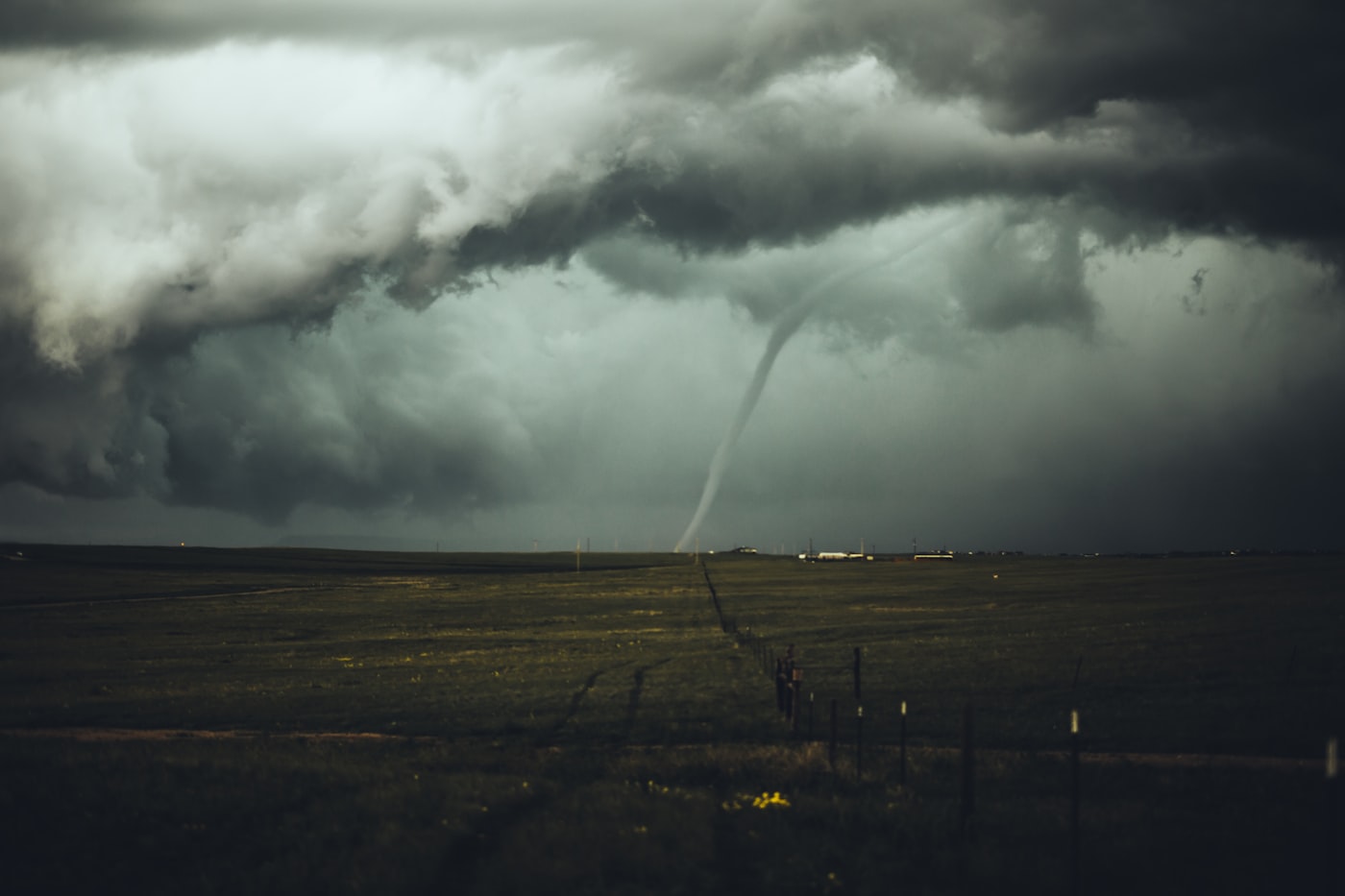
Let me give you the honest version rather than the reassuring one. Some parts of Phuket flood. Not dramatically, not like Bangladesh, but enough that if you rent a ground-floor apartment in the wrong part of Kathu, you will be bailing water in September.
The good news: flooding in Phuket is almost always temporary, predictable in which areas it affects, and largely avoidable with smart housing choices. The better news: areas like Rawai, Nai Harn, Kamala, and elevated parts of Bang Tao barely flood at all — the issue is mostly concentrated in Phuket's low-lying valley areas.
This guide gives you the area-by-area reality, what to look for when renting, and how to manage low-season life when the rain arrives in force.
Phuket's rainy season (roughly May–October, peaking Aug–Oct) brings the southwest monsoon. Most rain falls in short afternoon bursts — typically 1–3 hours. The island receives approximately 2,200mm of rain annually, with 60–70% falling May–October. This is intense but not unusual for tropical Southeast Asia. Most days even in peak monsoon still have several hours of sunshine.
Phuket Area Flooding Risk: The Honest Assessment
Flooding risk in Phuket is largely determined by elevation and drainage infrastructure. Low-lying valley areas flood more. Elevated areas don't. Here's the breakdown:
| Area | Flood Risk | Notes |
|---|---|---|
| Patong (lower/beach area) | ⚠️ Higher Risk | Beach Road and Bangla Road area flood during heavy rain. Usually clears in 1–2 hours. Basement-level businesses affected most. |
| Kathu (valley floor) | ⚠️ Higher Risk | The valley between Patong and Phuket Town is prone to water accumulation. Some streets can have significant flooding in Sept/Oct storms. |
| Phuket Town (parts) | 🟡 Medium Risk | Low-lying streets near old town can flood briefly. Higher parts of Phuket Town (Thalang Road area) less affected. |
| Chalong (main intersection area) | 🟡 Medium Risk | The main Chalong circle area and some adjacent streets accumulate water. Usually temporary. Elevated estates fine. |
| Bang Tao (low-lying parts) | 🟡 Medium Risk | Flat coastal areas can flood briefly. Laguna estate area is better drained. Streets between the beach road and Laguna can pool water. |
| Rawai / Nai Harn | ✅ Lower Risk | Generally good drainage. Elevated housing estates above the main road barely affected. Beach road area can have brief surface water. |
| Kamala (elevated parts) | ✅ Lower Risk | Much of Kamala is on hillside. Lower-lying areas near the beach occasionally flood briefly. Hillside villas essentially unaffected. |
| Surin / Cherng Talay | ✅ Lower Risk | Generally flat but well-drained area. Some low-lying spots near the canal can be affected. |
| Kata / Karon (elevated) | ✅ Lower Risk | Hillside areas are fine. Road down to Kata beach can have surface water during extreme events. |
These are general patterns. Phuket's drainage infrastructure is uneven — a particular street might flood while the next one doesn't. Climate change has also made extreme rainfall events less predictable. The only definitive check is viewing a property during or just after heavy rain, or asking current residents in the specific soi (lane) about flooding history.
How Bad Does Flooding Actually Get?
In typical low season: temporary surface water on roads, ankle to shin depth, clearing within 30–90 minutes of the rain stopping. Inconvenient, occasionally surprising, rarely dangerous.
In a bad year (severe storm or back-to-back heavy rain with saturated ground): knee-deep flooding on some Patong and Kathu streets for several hours. Ground-floor apartment contents at genuine risk. Cars and motorbikes in affected streets can be damaged. Not pleasant, but not catastrophic.
In truly exceptional events (which happen maybe once every several years): flooding that persists for more than a day, significant infrastructure disruption. Phuket's worst flooding years saw military assistance deployed in the most affected zones — but these are notable precisely because they're rare.
What Actually Gets Damaged
In a typical flooding event, the main losses are:
- Items stored at floor level in ground-floor apartments or villas
- Motorbikes parked at street level in flooded areas (water ingress into engines)
- Parked cars in flooded streets (can exceed engine height in extreme events)
- Electronics and appliances in low-lying ground floors
What typically doesn't get damaged: first-floor and above apartments, elevated houses on stilts or raised foundations, cars in covered parking above flood level, and properties in the lower-risk areas listed above.
Choosing Flood-Safe Housing in Phuket
The single best thing you can do to avoid flooding problems is to make smart housing choices. Ask these questions before renting:
- "Has this property ever flooded?" — Landlords will sometimes minimise, but neighbours won't. Ask the person next door.
- "What is the floor level relative to the road?" — A ground-floor unit that sits 20–30cm below street level is a flooding liability. One that sits above street level is much safer.
- "What does drainage look like around the property?" — Check for drains, their size, and whether the surrounding ground slopes toward or away from the property.
- "Can I view during or after rain?" — If you're renting in low season, try to visit after a downpour. The evidence is obvious.
Generally: first-floor-and-above apartments and villas on elevated ground have minimal flood risk regardless of area. Ground-floor units in low-lying areas of Patong and Kathu are the highest risk. Everything else falls somewhere in between.
Health Insurance for Phuket Low Season
Flooding brings hazards: waterborne infections, motorbike accidents on wet roads, and leptospirosis risk from flood water contact. Comprehensive health cover at Bangkok Hospital Phuket protects you year-round.
Compare Phuket Health Plans →Practical Flooding Preparation
If you're living in or near a flood-prone area in Phuket, these practical steps help:
Before Rainy Season (April–May)
- Move valuable items (electronics, documents, important belongings) off floor level or to higher shelves
- Check that your home has appropriate content insurance if you're concerned about flooding damage
- Establish which local roads flood and plan alternative routes for your regular journeys
- Check your motorbike's drainage plug (some have a drain that should be open in wet season)
During Heavy Rain
- Check weather apps (Thai Meteorological Department app is useful) for storm warnings
- Don't attempt to drive a motorbike through water deeper than 15–20cm — engines can flood, and potholes are invisible
- If you're in a flood-prone area and serious rain is incoming, consider moving your motorbike to higher ground
- The TMD (Thai Meteorological Department) issues storm warnings for serious weather — worth following during peak monsoon
When It Floods
- Wait it out rather than trying to drive through — flooding is almost always temporary
- Avoid contact with flood water if possible — it often contains sewage and can transmit leptospirosis (via cuts on skin)
- Don't wade through water near electrical outlets or junction boxes
- Keep Bangkok Hospital Phuket's number handy: +66 76 254 425
Flooding and the Low Season: Keeping Perspective
It's worth zooming out. For the six years I've lived in Phuket, flooding has been: an occasional 45-minute inconvenience for 3–4 months of the year, something I discuss with neighbours once in a while, and a useful party conversation topic. It has never damaged any of my belongings, significantly disrupted my life, or made me regret where I live (Rawai — good drainage, slightly elevated).
The people who have flooding problems in Phuket are almost always in preventable situations: ground-floor apartments in known flood zones, motorbikes parked in flood corridors, or unlucky enough to be in Patong during a 1-in-10-year storm event.
For more on why low season is actually great despite the rain, see our Phuket low season hidden benefits guide. And for housing guidance that includes flood-zone awareness, see our full housing guide.
Unsure About a Specific Area or Property?
We've lived through multiple rainy seasons across different Phuket neighbourhoods. Ask us about a specific area before you commit to a lease.
Ask the Team Free →Frequently Asked Questions
Related Guides
- Phuket Low Season: Hidden Benefits Expats Love
- Phuket Housing Guide for Expats
- Best Areas to Live in Phuket for Expats
- Rawai & Nai Harn Area Guide
- Phuket Healthcare Guide
- Phuket Lifestyle Hub