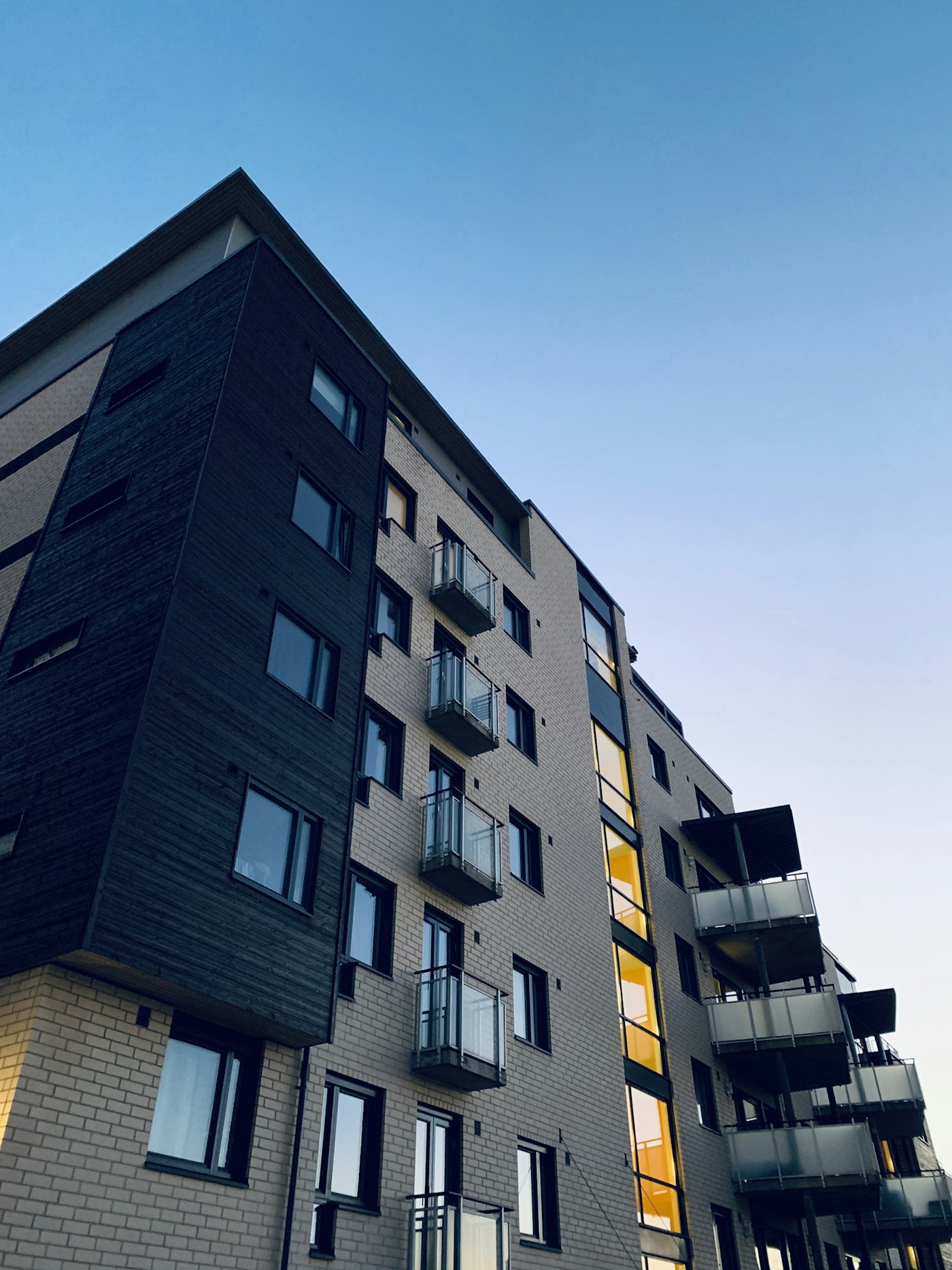
Here's something most Phuket relocation guides won't tell you: fire safety standards in Thai apartment buildings vary enormously, and some buildings that look perfectly fine from the outside have genuinely scary evacuation setups. I learned this the hard way after moving into a charming older building in Phuket Town — lovely terracotta tiles, huge windows, no working fire exits on three floors.
In six years living in Phuket, I've rented in everything from a basic studio in Karon to a modern condo in Bang Tao. The difference in fire safety infrastructure between old and new, budget and branded, is stark. This guide covers what Thai law requires, what you should actually check before signing a lease, and what to do if the worst happens.
Key Facts — Phuket Fire Safety
- Thailand's Building Control Act requires fire safety systems in buildings over 23m tall or 10,000 sq m
- Many older Phuket low-rise condos pre-date modern enforcement — check carefully
- Emergency fire number: 199 | Tourist Police (English): 1155
- Fires in Phuket are most common Feb–May (dry season, high winds)
- Buildings in Bang Tao, Laguna, Kamala and Surin tend to have better safety compliance
What Thai Law Actually Requires
Thailand's Building Control Act (BE 2522 / 1979) and its subsequent amendments set minimum requirements for fire safety in residential buildings. The key thresholds for mandatory fire systems are:
- Buildings higher than 23 metres (roughly 8+ storeys) must have fire suppression systems, smoke detectors, emergency lighting, and fire escapes
- Buildings with a total floor area exceeding 10,000 square metres fall under similar requirements
- All multi-storey buildings must have at least one fire exit per floor and fire extinguishers in common areas
Here's the practical reality: many popular expat areas in Phuket — especially older parts of Patong, Phuket Town, and Karon — have 3–6 storey low-rise buildings that fall below these thresholds. Legally, they don't have to have sprinklers or smoke detectors. That doesn't mean your risk is zero — it means you have to check yourself.
| Building Type | Fire Extinguishers | Smoke Detectors | Sprinklers | Fire Escape |
|---|---|---|---|---|
| Low-rise condo (<23m) | Required (common areas) | Not legally required | Not required | Required but enforcement varies |
| High-rise condo (23m+) | Required everywhere | Required | Required | Required with clear marking |
| Serviced apartment / hotel-condo | Required | Usually present | Depends on height | Required |
| Thai-style shophouse (apartment) | Often missing | Rarely present | Not required | Often inadequate |
What to Check Before You Sign a Lease
This is the section that will actually save you. Before committing to any apartment or condo in Phuket, I recommend doing a quick fire safety walk-through. Most landlords won't object if you frame it as normal due diligence.
Walk the Emergency Exits
Find the emergency exit stairwell and actually walk it. Seriously — in several buildings I've visited in Patong and Phuket Town, the "fire escape" door was locked, blocked with furniture, or led to a dead-end courtyard. Ask to test the door. If the landlord seems uncomfortable, that's information.
Check the Fire Extinguishers
Look for the service tag on the fire extinguisher near your unit. Thai regulations require annual inspection. If the tag is more than a year old — or missing — the extinguisher may be expired and non-functional. In older buildings, dead extinguishers are surprisingly common.
Look for Smoke Detectors
Many Phuket landlords don't install smoke detectors because Thai law doesn't require them in low-rise buildings. Ask whether the unit has one, and if not, buy your own. You can pick up a decent battery-operated smoke alarm at HomePro or Global House in Phuket for around 400–800 THB. This is a 10-minute investment worth making.
Ask About the Building's Fire Inspection Record
Larger condo developments — especially anything branded or managed by a professional juristic person — will have an annual fire inspection certificate. Ask for it. If it's up to date, that's a good sign the building takes safety seriously.
Buildings near Bang Tao and Laguna that are part of villa estates or branded resort residences generally have professional on-site management, regular safety inspections, and trained staff who know what to do in an emergency. If fire safety is a priority for you, this zone is worth the slightly higher rent.
Fire Risk Patterns in Phuket
Phuket's fire risk profile is different from what you might be used to back home. A few things to understand:
Seasonal Risk
The dry season — roughly November through April — is when fire risk is highest. Low humidity, strong winds, and dry vegetation combine to make fires spread quickly. The period February to May is particularly risky for villa fires and bush fires in hillside areas like Rawai, Nai Harn, and Chalong.
Electrical Faults
The most common cause of apartment fires in Phuket isn't cooking — it's electrical faults. Older buildings often have outdated wiring, overloaded circuits, and sub-standard electrical work done by non-licensed contractors. Be wary of buildings where multiple appliances are run through extension cord daisy-chains, or where you're told to avoid using the air-con and the microwave simultaneously.
Gas Cylinders
Many Phuket apartments use LPG gas cylinders (the blue or orange tanks) for cooking. Check that the connection valve and hose are in good condition — rubber hoses degrade quickly in Phuket's heat and humidity. Replace the hose every 1–2 years, and always turn off the gas at the cylinder when not cooking.
Protect Yourself With International Health Insurance
Accidents — including fire injuries — can result in significant medical costs at Bangkok Hospital Phuket or Siriroj. A quality international health policy covers emergency treatment, hospitalisation, and evacuation. Compare top plans for Phuket expats now.
What to Do in a Fire Emergency
The most important thing is to have a plan before you need it. Here's a straightforward drill to do when you first move into any Phuket apartment:
- Identify your two nearest exits — the main door to the corridor, and the nearest emergency stairwell. Count the doors in the corridor so you could find them in the dark.
- Know where to go — identify the building's muster point or open ground-floor area where you'd wait for emergency services.
- Save emergency numbers in your phone: Fire = 199, Police/Fire/Ambulance = 191, Tourist Police (English) = 1155, Bangkok Hospital Phuket = +66 76 254 425.
- Tell your household — make sure your partner, kids, or housemates know the same plan.
In a fire, never use the lift. In Phuket's heat, fires can spread quickly and lift shafts can fill with smoke. Always use the stairwell, even on upper floors. Close doors behind you to slow smoke spread — don't leave them propped open.
Calling for Help
If your Thai is limited, call 1155 (Tourist Police) first — they have English-speaking operators and can liaise with the fire brigade for you. In a genuine emergency, call 199 simultaneously. Give your address in Thai if possible — have it saved in your phone. Your address in Thai can be obtained from Google Maps, or ask your landlord to write it out for you when you move in.
Area-by-Area Fire Safety Notes
From six years of living across Phuket, here's my honest read on different areas:
Patong
Older buildings in central Patong — especially the dense residential lanes behind Bangla Road — are the ones I'd be most cautious about. High-rise condos on the beachfront are generally fine. The older mid-rise apartments in the back streets have the most inconsistent fire safety infrastructure.
Phuket Town
The Sino-Portuguese shophouses in the Old Town are beautiful but genuinely old. Many were not built with fire safety in mind. If you're renting a converted shophouse apartment, install your own smoke detectors and know your exit route cold. That said, newer developments on the outskirts of Phuket Town (Talat Yai, Talat Nuea areas) are generally fine.
Rawai, Nai Harn, Chalong
These areas have a mix of older Thai-style apartments and newer expat-focused developments. Bush fire risk is higher here during dry season due to surrounding vegetation. Check that your building has adequate clearance from trees and brush.
Bang Tao, Kamala, Surin
Newer high-end developments in this corridor tend to be the best for fire safety — professional management, regular inspections, and better-quality construction. If fire safety is a top priority, this area is worth considering.
Not Sure if Your Building Is Safe?
Sometimes you need a local perspective on a specific building or area. Our team has seen hundreds of Phuket rental properties — we can help you avoid the ones with red flags.
Ask Us — First Question Is Free →Quick Fire Safety Checklist for Your Phuket Apartment
Use this before signing any lease in Phuket — or run it on your current place if you've never done it:
- ✅ Emergency exits tested and unblocked
- ✅ Fire extinguishers present with current service tag (within 12 months)
- ✅ Smoke detector in bedroom (buy your own if necessary: 400–800 THB at HomePro)
- ✅ Gas hose in good condition, no cracks or discolouration
- ✅ Electrical sockets not overloaded, no daisy-chain extensions
- ✅ Emergency numbers saved in phone: 199 (fire), 191 (emergency), 1155 (tourist police)
- ✅ Household briefed on exit plan and muster point
- ✅ Building fire inspection certificate seen (for large condos)
For more on staying safe in Phuket, read our complete Phuket expat safety guide and the essential Phuket emergency numbers reference. Our Phuket safety hub covers everything from road safety to natural disasters.