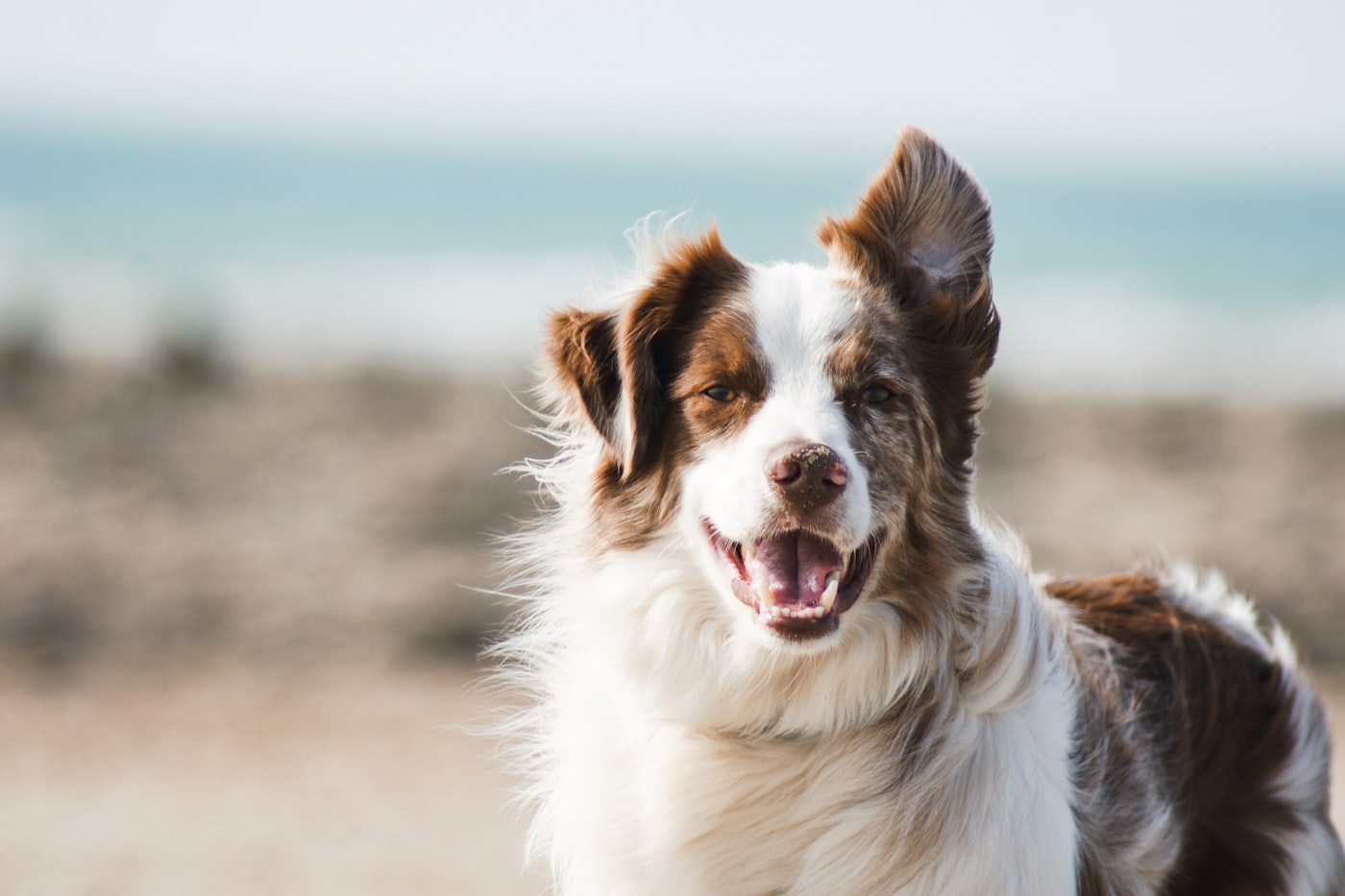
You've planned your retirement in Phuket down to the last detail — the villa in Rawai, the retirement visa, the health insurance. Then someone asks: "What about the dog?" If your pet is part of the plan, you're not alone. Bringing your dog or cat to Phuket for retirement is absolutely doable, and thousands of expat retirees have done it successfully. But it requires paperwork, timing, and a bit of planning that many people underestimate.
I've watched neighbours bring their pets from the UK, Australia, and Scandinavia to Phuket — some with minimal fuss, some with near-disasters at the airport because someone missed a form. This guide covers everything you need to know, including real costs in THB, the best areas to live with a pet, and what life actually looks like for your animal once they're settled in Phuket.
Quick Reference: Pet Import Requirements for Thailand
- Microchip: ISO 11784/11785 compliant (15-digit), implanted before vaccination
- Rabies vaccine: Valid, given at least 30 days before travel (first-time vaccinations)
- Health certificate: Issued by government-accredited vet within 10 days of travel
- Import permit: From Thai Department of Livestock Development (DLD) — apply 1–2 weeks before travel
- Quarantine: None if paperwork complete. Incomplete docs = quarantine at your cost
- Entry point: Pets arriving in Phuket typically route through Bangkok Suvarnabhumi, then domestic flight to Phuket
Step-by-Step: How to Bring Your Pet to Phuket
Step 1: Get the Microchip (If Not Already Done)
Your pet must have an ISO-standard microchip (15-digit, ISO 11784/11785) implanted before any rabies vaccination is given. If they're already chipped, check the chip number is on their records. Without a chip, you can't complete any other documentation. Cost in most Western countries: roughly equivalent to THB 1,500–3,000.
Step 2: Rabies Vaccination Timing
This is where people get caught out. Thailand requires rabies vaccination, and if it's your pet's first ever rabies jab, they must have it at least 30 days before travel. If your pet has had regular boosters that are still current, that 30-day wait doesn't apply. Keep the vaccine record — you'll need the batch number, date administered, and vet's signature.
If your country is classified as a rabies-free or low-rabies country (UK, Australia, New Zealand, Japan, most of Scandinavia), the process is smoother. Countries with higher rabies prevalence may require a rabies titre test (blood test proving immunity) — check the Thai DLD's current requirements for your country of origin.
Step 3: Apply for the Thai Import Permit
You need an import permit from Thailand's Department of Livestock Development (DLD). Apply online or through the Thai embassy in your country. The permit is free to apply for but takes 1–2 weeks to process. Keep a copy on your phone and print several copies. The form requires your pet's chip number, vaccination details, and your Thai address.
Step 4: Health Certificate (Within 10 Days of Travel)
A government-accredited vet in your country must examine your pet and issue an official health certificate within 10 days of your departure date. This typically needs to be endorsed by your country's official agriculture/livestock authority (e.g., APHA in the UK, USDA for the US, DAFF for Australia). Leave time for this endorsement — it can take several days.
Step 5: The Flight Itself
Most retirees' pets travel in the aircraft hold as checked-in cargo (especially dogs over 7–8kg or certain breeds). Small cats and small dogs can sometimes travel in-cabin in an approved carrier — check your specific airline's pet policy. Thai Airways, Bangkok Airways, and many European carriers accept pets, but policies change. Book directly with the airline cargo department, not just your ticket agent.
Because Phuket International Airport has limited international routes, most pets arrive via Bangkok Suvarnabhumi and then take a domestic flight or road transfer to Phuket. Your pet will be inspected by Thai DLD officials at Suvarnabhumi. If all paperwork is in order, this inspection takes 30–60 minutes and your pet is released to you. Budget a full day for the Bangkok transit.
Not Sure Where to Start? We Can Help
Navigating pet import requirements alongside your retirement visa is a lot to coordinate. Book a consultation and we'll help you plan the whole process — step by step.
Book a Free Consultation →The Cost of Bringing Your Pet to Phuket
| Item | Approx. Cost (THB) | Notes |
|---|---|---|
| Microchip (if needed) | 1,500 – 3,000 | One-time cost |
| Rabies vaccination | 800 – 2,500 | Depends on country |
| Rabies titre test (if required) | 5,000 – 12,000 | Not always required |
| Health certificate & endorsement | 2,000 – 6,000 | Vet + govt endorsement |
| Import permit (DLD) | Free | But takes 1–2 weeks |
| Airline pet fee (hold cargo) | 5,000 – 15,000 | Varies by airline & weight |
| IATA-approved carrier | 1,500 – 5,000 | If you don't have one |
| Pet relocation agent (optional) | 15,000 – 40,000 | Handles everything |
| Bangkok transit (hotel + transfers) | 2,000 – 8,000 | If staying overnight |
Using a specialist pet relocation company — there are several in Bangkok that handle Phuket-bound pets — costs more but dramatically reduces the risk of documentation errors. Companies like Happy Paws or Pet Movers Thailand have handled this many times and know exactly what Thai customs wants. If you're doing it yourself, allow 3–4 months of preparation time.
Life with a Pet in Phuket: The Reality
Heat and Climate
Phuket's heat hits pets hard, especially dogs from cold-climate countries. Thick-coated breeds (Huskies, Samoyeds, German Shepherds with dense coats) really suffer. Flat-faced breeds (Bulldogs, Pugs, French Bulldogs) struggle even more — these breeds are heat-sensitive by nature, and Phuket's humidity compounds it. Short-haired dogs and cats generally adapt better.
You'll need air conditioning. Not optional. Budget THB 3,000–6,000/month extra on electricity if your pet needs the AC on during the day while you're out. Most retirees in Rawai and Chalong let dogs out for walks only in early morning (before 8am) or evening (after 5pm). Midday walks are genuinely dangerous for dogs in Phuket — concrete pavements get extremely hot.
Ticks, Fleas, and Tropical Health Hazards
Phuket has ticks. More than you'll expect. Monthly tick and flea prevention is non-negotiable — your vet in Phuket can prescribe Bravecto, NexGard, or Frontline. Budget THB 600–1,500/month. Heartworm prevention is also strongly recommended — mosquitoes carrying heartworm are present in Phuket, and treatment costs a fortune compared to prevention (THB 200–400/month for prevention vs. THB 20,000–60,000 for treatment).
Cats mostly stay indoors in Phuket, which reduces parasite exposure. If you let cats roam, they'll encounter the occasional gecko, frog, or snake — usually harmless, but worth knowing about.
Veterinary Care in Phuket
Phuket's vet care has improved considerably in the past decade. For routine care — vaccinations, spaying/neutering, flea treatment — the local vets are perfectly adequate and significantly cheaper than back home. Routine annual checkups at Phuket Animal Hospital in Chalong run THB 600–1,500. Emergency care and specialist surgery is more limited; serious conditions sometimes require a trip to Bangkok.
Recommended Vets in Phuket (2026)
- Phuket Animal Hospital, Chalong — Most established, good equipment, English-speaking staff
- Blue Ocean Animal Hospital, Kathu — Well-regarded, handles complex cases
- Kamala Animal Hospital — Convenient for west coast retirees
- Bangkok Hospital Phuket (small animal clinic) — For emergencies, limited but professional
- Phuket Veterinary Clinic, Cherng Talay — Good for Bang Tao/Laguna area retirees
Best Areas in Phuket for Retirees with Pets
Not all of Phuket is equal when it comes to pet-friendly living. Here's the honest breakdown:
Rawai and Nai Harn (best overall): Houses with gardens are common and affordable. The southern tip has quieter roads, less traffic, and open space near the Nai Harn lake area. This is where most retirees with dogs end up. House rentals with small gardens start around THB 18,000–35,000/month.
Chalong: Close to the main vet clinic. Lots of villa and house options. Good access to Phuket Town for supplies. Slightly more traffic than Rawai but manageable. Popular with retirees who want town-adjacent convenience. Houses from THB 15,000–30,000/month.
Bang Tao / Laguna: Some pet-friendly villa communities. Check individual complex rules — some allow pets, others don't. The Laguna area has good cycling and walking paths. Slightly pricier than the south at THB 25,000–60,000/month for suitable villas.
Patong: Avoid with pets. Busy, noisy, mostly condos. Even if your condo allows it, walking a dog in Patong is unpleasant for the dog.
Always confirm pet policies before signing any lease in Phuket — even for houses, some landlords say no to animals. Specify the animals in your rental contract if allowed, and get it in writing. Read more in our guide to Phuket rental contracts and what to check.
Stray Dogs in Phuket: What to Know
Phuket has a significant stray dog population, concentrated around beaches and markets. For your own pet, this means keeping dogs on-lead in unfamiliar areas and ensuring all vaccines are current. Your pet could contract diseases from strays if they interact closely. Most experienced expat pet owners in Phuket simply keep their animals leashed in public areas and are cautious at beaches.
There are also several dog rescue organisations in Phuket if you'd rather adopt locally than bring a pet from abroad. Phuket Animal Welfare Society (PAWS) and Soi Dog Foundation (based near Phuket but island-wide) regularly rehome dogs and cats. Adopting locally means no import stress and you'd be giving a Phuket dog a home.
Moving to Phuket? Get a Free Relocation Quote
International movers with Phuket experience know the pet documentation process inside out. Compare quotes and get pet-safe transport options.
Get a Free Moving Quote →Annual Costs for a Pet in Phuket (Ongoing)
| Expense | Monthly (THB) | Annual (THB) |
|---|---|---|
| Tick/flea prevention | 600 – 1,500 | 7,200 – 18,000 |
| Heartworm prevention | 200 – 400 | 2,400 – 4,800 |
| Annual vet checkup + vaccines | — | 1,500 – 3,500 |
| Quality pet food (imported brands) | 1,500 – 4,000 | 18,000 – 48,000 |
| Extra electricity (AC for pet) | 2,000 – 5,000 | 24,000 – 60,000 |
| Grooming (dogs, every 6–8 weeks) | 500 – 1,500 | 3,000 – 9,000 |
| Emergency fund (recommended) | 1,000 | 12,000 |
Pet food in Phuket is available from Makro, BigC, Lotus, and specialty pet shops in Chalong and Bang Tao. International brands like Royal Canin and Hills are widely available but more expensive than back home — typically 20–30% more than UK/Australian prices. Local Thai brands are much cheaper but quality varies. Many retirees bulk-buy from Makro.
Frequently Asked Questions
Insider Tips: What Nobody Tells You
A few things I've picked up from watching expat retirees bring pets to Phuket over the years:
Start the process 4–6 months before you move. Even if the documentation timeline seems shorter, you want buffer time for anything that goes wrong — a vaccine that expires just before travel, a health certificate that arrives late, a permit that needs resubmitting.
Double-check airline cargo policies closer to the date. Airlines change their pet policies. What was allowed last year may have a different weight limit or breed restriction now. Always confirm directly with the airline's cargo department, not just the website.
Get pet-specific travel insurance for the journey itself. If your pet gets sick mid-transit or there's an emergency during the Bangkok layover, having cover is worth the premium.
Consider adopting in Phuket instead. Soi Dog Foundation and PAWS have wonderful dogs and cats ready for homes. If you're flexible on the specific animal, adopting locally saves all the import stress and gives a rescue animal a loving home. Many retirees I know in Rawai have done exactly this.
For more on retiring in Phuket, including the complete retirement guide, best areas for retirees, and healthcare for retirees in Phuket — all worth reading before you finalise your plans. Also see our guide on pet ownership in Phuket as an expat for ongoing life with animals on the island.
Planning Your Retirement in Phuket?
Book a free consultation to talk through your retirement visa, health insurance needs, and pet import process — all in one conversation.
Book Your Free Consultation →