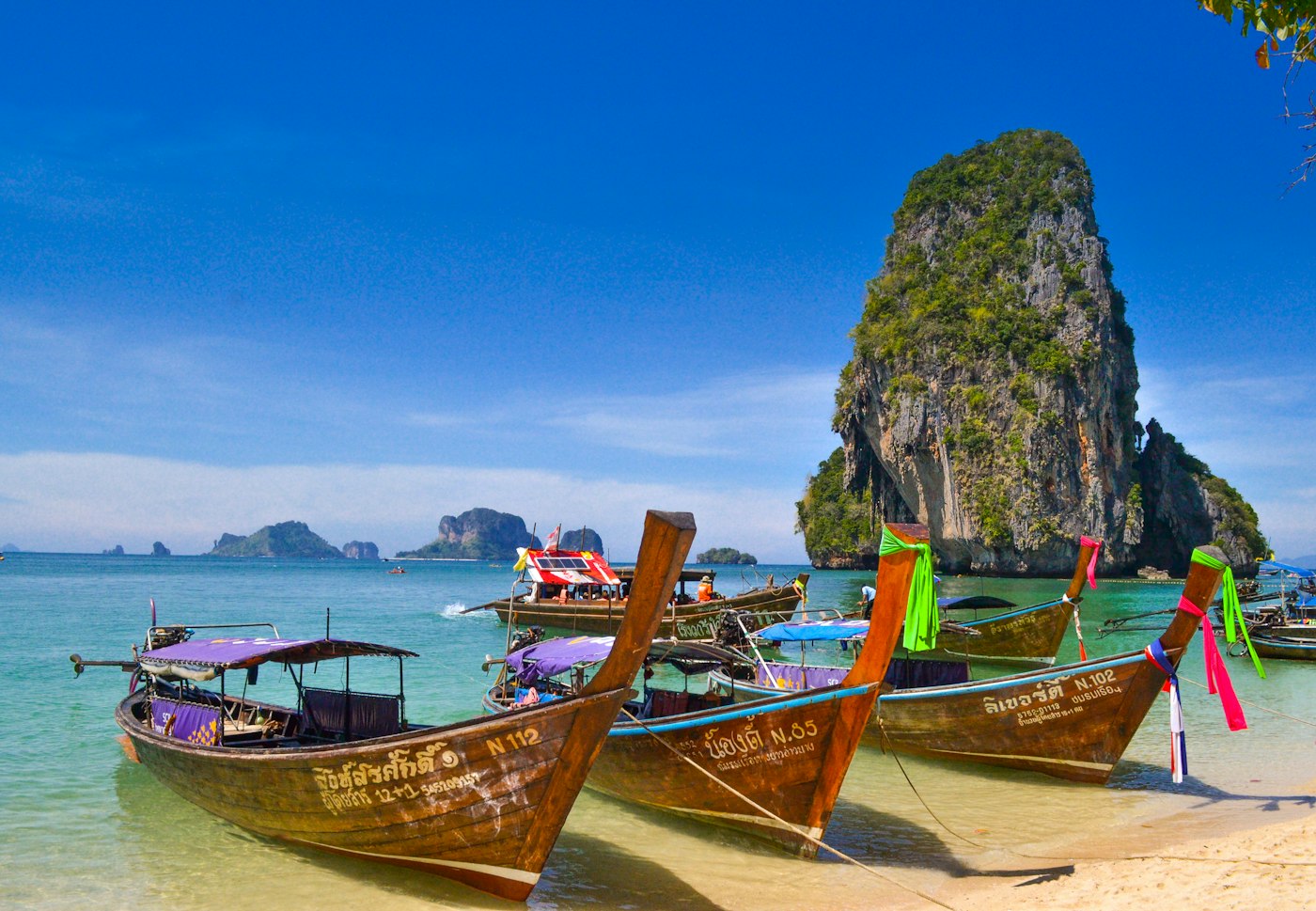
Two of Southeast Asia's top retirement destinations, going head to head. Both offer tropical beaches, affordable living, warm weather, and a well-established expat community. But they're quite different in ways that matter a lot when you're choosing where to spend your retirement years.
I've been based in Phuket for six years and I've spent time in Cebu, Dumaguete, and Manila. Here's my honest read of how these two compare — no hype, no real estate commission motivating this.
🗓 Last updated: October 2025The Quick Verdict
Choose Phuket (Thailand) if…
You want better overall infrastructure, excellent private healthcare, a cosmopolitan expat scene with strong European and Australian communities, year-round beach lifestyle, and don't mind annual visa renewals.
Choose Philippines if…
You want English as the official language everywhere (not just expat areas), a lower basic cost of living, the permanent SRRV visa, more affordable domestic help, and prefer a more familiar Western cultural flavour.
Cost of Living: Phuket vs Philippines
Planning your Phuket retirement?
From retirement visa requirements to area selection, healthcare costs and banking — there's a lot to get right. A 60-minute call with a Phuket expat who's done it gives you clarity without the guesswork.
Book a retirement consultation →By Fredrik Filipsson — living in Phuket since 2019
The Philippines — particularly Dumaguete or the Visayas region — can edge out Phuket on basic living costs. But "basic" is the key word. When you factor in the quality differential — infrastructure, power reliability, healthcare access, internet — Phuket's premium starts to make a lot more sense.
| Category | Phuket (THB/month) | Philippines (PHP/month) | Philippines (USD equiv.) |
|---|---|---|---|
| 1-bed condo (expat area) | 15,000–30,000 | 15,000–35,000 PHP | $260–600 |
| 2-bed house/villa | 30,000–60,000 | 25,000–55,000 PHP | $430–950 |
| Restaurant meal (mid) | 300–600 | 300–600 PHP | $5–10 |
| Private health insurance | 25,000–55,000/yr | $1,500–3,500/yr | $1,500–3,500/yr |
| Utilities + internet | 4,000–8,000 | 5,000–10,000 PHP | $86–172 |
| Comfortable couple total | 80,000–120,000 | 70,000–110,000 PHP | $1,200–1,900 |
The Philippines is cheaper — but not dramatically so for a comfortable expat lifestyle. And in Manila or Cebu City, costs have risen significantly. Dumaguete and Negros Oriental remain genuinely affordable.
Our how much to retire in Phuket cost guide breaks down actual monthly budgets across Rawai, Bang Tao, and Chalong with real 2026 THB figures.
Visa & Residency
Thailand Retirement Visa (Non-OA)
At age 50+, you can get Thailand's retirement visa by depositing 800,000 THB (~$22,000) in a Thai bank, or showing 65,000 THB/month income. It's valid for one year and must be renewed annually. There's no automatic pathway to permanent residency, though Thailand Privilege (Elite) visa can get you 5–20 year stays.
See our Thailand retirement visa step-by-step guide for the full process at Phuket Immigration in Chalong.
Philippines SRRV (Special Resident Retirees Visa)
The SRRV is one of the best retirement visas in Southeast Asia for long-term security. Key details: at 50+ with a pension, you deposit $10,000 USD in a Philippine bank. Without a pension, it's $20,000 (50+). The visa is permanent — no annual renewals. You also get multiple entry/exit rights and some tax exemptions on pension imports.
Verdict: Philippines wins on visa permanence. Thailand wins on banking flexibility (you can eventually withdraw the 800K once other income is proven, and the annual renewal isn't onerous).
Healthcare: A Critical Comparison
This is where Phuket pulls ahead significantly. Bangkok Hospital Phuket is JCI-accredited and rivals Singapore's private hospitals — at a fraction of the cost. Siriroj Hospital has excellent surgical facilities. English-speaking specialists are available in virtually every discipline. The overall standard of private healthcare in Phuket exceeds what's available in most Philippine cities outside Manila.
The Philippines has good private hospitals in Manila (Makati Medical, St. Luke's) and Cebu (Chong Hua, Cebu Doctors') — but outside these urban centres, quality drops quickly. In Dumaguete or Palawan, you're significantly further from specialist care.
Phuket also wins on medical tourism — many retirees combine healthcare visits with day-to-day living, accessing specialists at rates far below their home countries. See our medical tourism and retirement in Phuket guide for more.
Health Insurance for Your Phuket Retirement
Protect yourself with a plan that includes Bangkok Hospital and Siriroj networks. Compare Cigna, AXA, and Pacific Cross quotes — from ฿35,000/year.
Compare Health Plans →Safety & Security
This is one of the most important differences for retirees. Phuket has low violent crime; the main risks are motorbike accidents, occasional tourist scams in Patong, and opportunistic petty theft. Kidnapping is essentially unheard of for foreigners.
The Philippines has a more complex security picture. While most tourist areas — Cebu, Boracay, Palawan — are perfectly safe for day-to-day living, certain regions (particularly Mindanao) have serious security issues. Manila has areas with high crime rates. The NBI (National Bureau of Investigation) and PNP crime statistics show higher rates of violent crime than Thailand overall. This isn't to scare — millions of expats live safely in the Philippines — but it's a real factor to weigh.
Language & Communication
English is an official language of the Philippines and is spoken fluently across all social classes and regions. Signs, contracts, government forms — all in English. This is a genuine advantage, particularly for retirees who struggle with language learning.
In Phuket, English is widely used in expat areas and hospitals, but you will encounter Thai-only contexts — immigration forms, local markets, some government offices. Most expats manage fine, but it's not effortlessly English in the way the Philippines is.
Verdict: Philippines wins convincingly on language accessibility.
Lifestyle, Culture & Community
Phuket Expat Community
Phuket has a diverse international expat community — strong Australian, British, Scandinavian, German, and Russian populations. Rawai and Nai Harn have a well-established retiree scene; Chalong has the boating crowd. There are sailing clubs, golf groups, yoga studios, and the Hash House Harriers. The social scene is active and welcoming.
Check our social life for retirees in Phuket guide for clubs, activities, and community groups.
Philippines Expat Community
The Philippines also has a substantial expat population, particularly American retirees (given historical US-Philippines ties). Cebu and Dumaguete have active retiree communities with regular meetups, volunteer opportunities, and English-language social activities.
Food & Lifestyle
Phuket's food scene is genuinely excellent — from fresh seafood at Rawai Market to international restaurants in Bang Tao and Kamala. Filipino food is tasty but less globally renowned. Both have abundant fresh fruit and tropical produce.
Phuket has better beach infrastructure — proper beach clubs, watersports operators, dive operators running year-round. The Philippines has spectacular diving (Tubbataha, Apo Island) and beautiful beaches, but infrastructure is less polished overall.
Infrastructure & Connectivity
Phuket wins decisively. Roads, electricity, water supply, and internet are reliable by Southeast Asian standards. AIS and True fibre offer 500Mbps+ connections at 700–1,500 THB/month. Power cuts are rare.
The Philippines has improved significantly, but internet reliability and power cuts (brownouts) remain issues outside Manila and Cebu City. The archipelago nature of the country means connectivity can be patchy in islands like Palawan, Siquijor, or Bohol.
Side-by-Side Summary
| Factor | Phuket, Thailand | Philippines | Winner |
|---|---|---|---|
| Cost of Living | Moderate | Slightly lower | 🇵🇭 Philippines |
| Healthcare Quality | Excellent private | Good in Manila/Cebu | 🇹🇭 Phuket |
| Retirement Visa | Annual renewal | Permanent SRRV | 🇵🇭 Philippines |
| Safety | Generally safe | More variable | 🇹🇭 Phuket |
| English Language | Expat areas only | Official language | 🇵🇭 Philippines |
| Infrastructure | Reliable | Variable | 🇹🇭 Phuket |
| Internet | Fast & reliable | Improving | 🇹🇭 Phuket |
| Beaches | Excellent | Spectacular | Tie |
| Food Scene | Excellent | Good | 🇹🇭 Phuket |
| Property Ownership | Condos only | Condos only | Tie |
My Honest Take
If I were starting fresh and purely looking at price, the Philippines would be tempting. Dumaguete in particular — a university town with a large expat community, cool climate for a Philippine city, and very affordable — is genuinely charming.
But Phuket wins for me on the things that matter most as I get older: healthcare access, infrastructure reliability, and overall quality of life. The 10–20% premium Phuket costs over an equivalent Philippine lifestyle is well worth it for the peace of mind that Bangkok Hospital Phuket is 20 minutes away.
The annual visa renewal is a mild inconvenience, not a deal-breaker. The permanent SRRV sounds appealing until you realise most long-term Phuket expats barely notice their annual trip to Chalong Immigration — it takes 2–3 hours and is basically bureaucratic routine.
If safety concerns genuinely worry you, or if being able to communicate in English everywhere is critical, look harder at the Philippines. Otherwise, Phuket's advantages stack up.
Not sure which destination is right for you?
We've helped hundreds of retirees think through exactly this decision. Book a free 30-minute consultation with our team.
Book a Free Consultation →Try the Phuket Cost Calculator →
