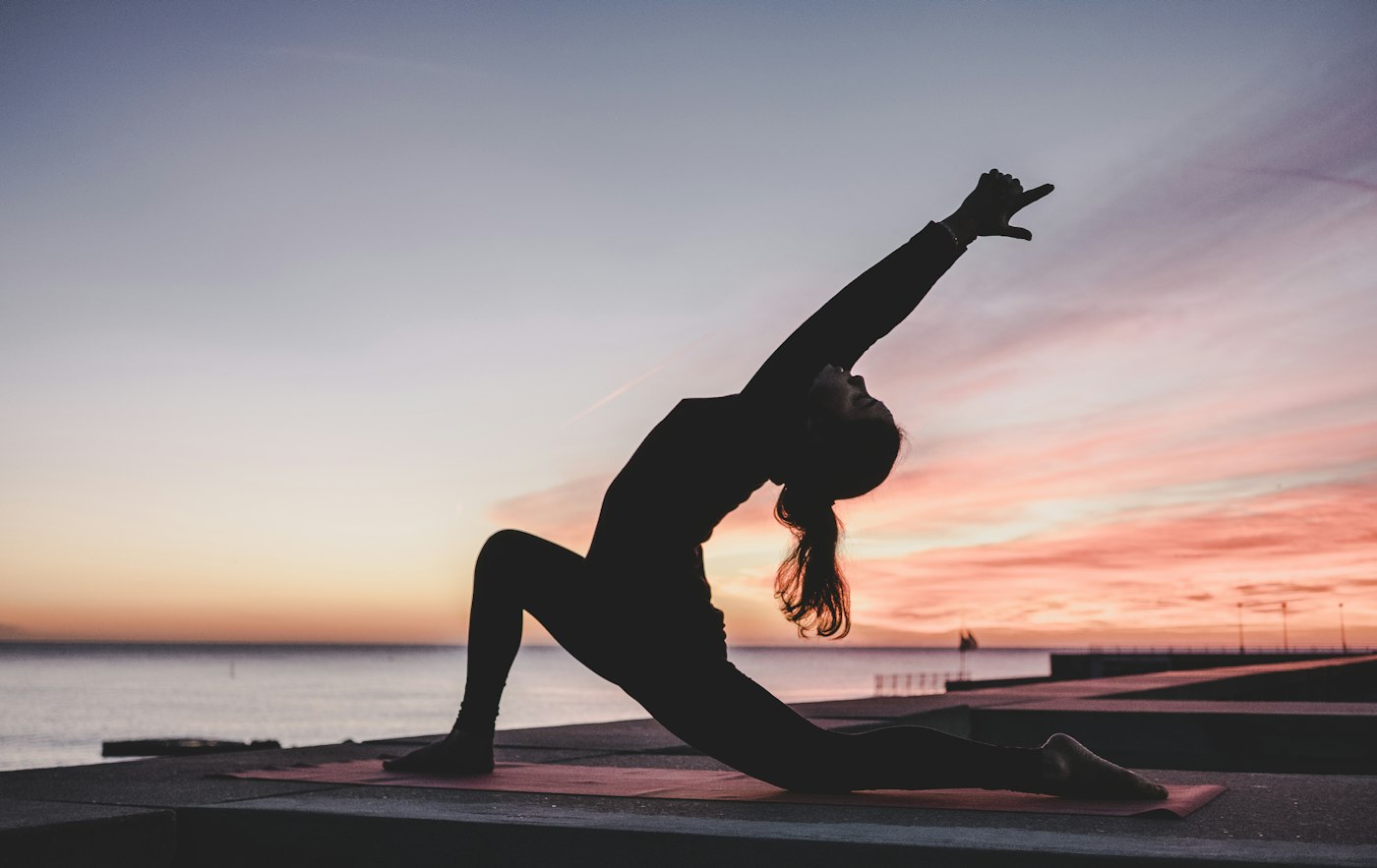
There is a reason Phuket has more yoga studios per square kilometre than almost anywhere in Asia: the island is genuinely well-suited to wellness and movement practices. Morning classes at 7am on an open-air wooden deck, with the sound of tropical birds and the smell of frangipani in the air, are not a marketing invention. That is actually what morning yoga looks like here, in Rawai and Nai Harn and Kamala, day after day.
The business opportunity is real — Phuket draws a consistent stream of wellness-focused visitors who come specifically for retreat experiences, and the permanent expat community provides a local student base that sustains year-round studio operations. But the yoga retreat market here is also mature and competitive. The operators who build genuinely sustainable businesses are the ones who differentiate clearly, price properly, manage the regulatory requirements, and do not assume the island's natural beauty is a substitute for sharp business execution.
Key Facts — Yoga Retreat Business in Phuket
- Thai company required for foreign operators
- Hotel Act licence needed for accommodation
- 5-day retreat: THB 20,000–50,000/person
- 200-hour YTT: USD 1,500–3,500
- Best areas: Rawai, Nai Harn, Kamala, Bang Tao
- Peak season: October–April
- Villa rental for retreat: THB 40,000–200,000/week
- BookRetreats.com: primary booking platform
The Legal Structure: What You Actually Need
Thai Company and Work Permit
Running a yoga retreat business as a foreigner in Phuket requires a proper legal structure. Teaching yoga commercially on Thai soil is a paid service — it requires a work permit. The standard route: register a Thai Limited Company (51% Thai shareholding minimum) that operates the retreat and studio. The foreign founder works within the company on a Non-B visa and work permit as, for example, "Yoga Instructor and Operations Director." A visa agent or Thai lawyer handles the company registration (THB 15,000–30,000 all-in). See our work permit guide for full details. Last updated: February 2026.
Hotel Act Licence for Accommodation
If your retreat includes overnight accommodation — guests staying at your retreat centre or villa — you are in the hospitality sector and the Hotel Act B.E. 2547 applies. Establishments providing accommodation for payment with more than 4 rooms require a hotel licence from the local authority. For retreat centres with fewer rooms, a guesthouse registration may apply. This adds a layer of licencing and compliance (fire safety inspection, health inspection) that requires working with a local lawyer who understands the hospitality licensing process. Cutting corners here creates real risk — municipality inspections of accommodation businesses in Phuket happen regularly. Last updated: February 2026.
The Villa Retreat Model (No Accommodation Licence Needed)
Many successful Phuket retreat operators sidestep the hotel licensing issue by running retreats from rented private villas where the accommodation is provided by the villa rental company (not by the retreat operator). In this model, the retreat operator provides the yoga instruction, programme, and meals; the villa provides accommodation as a separate commercial arrangement. This structure is common and legally cleaner — it separates the retreat programme delivery from the accommodation provision. The retreat company charges for the retreat programme; guests additionally pay the villa rental (or it is bundled into the retreat price with the villa cost passed through). This model is how Tri Vananda and many of Phuket's boutique retreat operators structure their villa retreat programmes.
The Best Locations for a Yoga Retreat in Phuket
Rawai and Nai Harn: The Yoga Community Hub
The south of Phuket — Rawai Beach, Nai Harn Lake, and the hills between them — is the most established yoga community on the island. Several well-respected studios and retreat centres have operated here for over a decade. The advantages: a resident wellness community that provides consistent local class attendance, beautiful settings (Nai Harn Lake, surrounded by hills, is one of the most tranquil spots in Phuket), and more affordable villa and property rental than the west coast. The Rawai/Nai Harn area is also home to a significant number of muay thai gyms, creating natural retreat partnership opportunities for yoga + martial arts crossover programmes.
Kamala: The Upscale Wellness Alternative
Kamala sits between the chaos of Patong (immediately south) and the calm of Surin (north). It has developed a wellness and retreat scene that is increasingly attractive for boutique operations. The beach is beautiful without the Patong crowds. Villa options include some very photogenic properties for retreat use. The demographic — well-travelled, health-conscious, willing to spend — is ideal for a premium retreat product.
Bang Tao and Cherng Talay: The Expat Demand Hub
Bang Tao has the highest concentration of affluent expats and high-spending tourists in Phuket. The Bang Tao and Laguna area hosts several successful yoga studios that serve this market. A studio here is serving a customer who has money, values wellness, and will pay for quality instruction. The trade-off: property and villa rental costs in Bang Tao are significantly higher than the south. A good yoga studio space near Boat Avenue or the Cherng Talay market: THB 30,000–80,000/month rental.
Retreat Formats and Pricing
The Drop-In Studio Model
A Phuket yoga studio serving the local community charges THB 400–800/class drop-in, or THB 2,500–6,000/month for unlimited class access. The model works in high-density areas (Bang Tao, Rawai, Kamala) where there is sufficient foot traffic. Monthly overhead for a standalone studio space: rent THB 25,000–80,000/month, electricity (air-conditioning is significant: THB 8,000–20,000/month), staff, and marketing. Break-even typically requires 30–50 paying students per day across all classes.
Residential Retreats
The higher-margin product: 5–7 day residential retreats combining yoga, meditation, healthy food, and optional add-ons (massage, coaching, excursions). The revenue model: charge per person, all-inclusive (programme + accommodation + meals). Pricing benchmark: THB 25,000–50,000/person for a 5-day retreat. Gross margin of 45–60% is achievable with 8–12 participants. Run 3–4 retreats per month in peak season and the numbers become interesting.
Yoga Teacher Training (YTT)
If you have the E-RYT 500 credential and Yoga Alliance RYS registration, running 200-hour teacher training programmes is one of the most financially rewarding segments of the Phuket yoga market. YTT programmes attract students from Europe, Australia, and North America who specifically choose Phuket as their training location. Pricing: USD 1,500–3,500 per student depending on accommodation inclusion. A 12-student YTT at USD 2,500/person generates USD 30,000 gross revenue per programme. Most YTTs run for 21–28 days. This is the product that the most financially successful Phuket yoga businesses are built around.
| Product | Price Range | Notes |
|---|---|---|
| Drop-in yoga class | THB 400–800 | Studio rate |
| Monthly unlimited membership | THB 2,500–6,000/month | Local studio community |
| Day retreat (yoga + meditation + lunch) | THB 2,000–5,000/person | No accommodation |
| 5-day residential retreat | THB 20,000–50,000/person | Incl. accommodation + meals |
| 7-day premium villa retreat | THB 45,000–100,000/person | Luxury all-inclusive |
| 200-hour YTT programme | USD 1,500–3,500/student | Yoga Alliance RYS required |
| Private yoga session (1 hr) | THB 1,500–4,000 | Local or retreat guest |
Last updated: February 2026. Rates are market benchmarks — established operators with strong reputations command the upper range.
Marketing and Distribution
Retreat Booking Platforms
BookRetreats.com and Retreat Guru are the primary global booking platforms for yoga retreats. A well-optimised listing with genuine photos (not stock), authentic reviews, and competitive pricing drives significant booking volume. Platform commissions: typically 10–20% of booking value. Getting 10+ genuine 5-star reviews in your first year should be a priority — it drives algorithmic ranking on these platforms significantly.
Google and SEO
People actively search for "yoga retreat Phuket," "yoga teacher training Phuket," and similar terms. A well-built website with proper SEO — targeting these exact keywords — drives direct bookings that avoid platform commissions. See our yoga and wellness in Phuket overview for the competitive landscape context.
Instagram: Your Visual Portfolio
For a yoga retreat, Instagram is a direct sales channel. Morning practice photos at sunrise with Nai Harn Lake in the background, videos of teaching moments from your last YTT cohort, behind-the-scenes of retreat preparation — this content speaks directly to your target audience and drives both retreat bookings and YTT enquiries. Consistent, high-quality Instagram presence is worth more to a Phuket yoga retreat than paid advertising.
Health Insurance for Yoga Teachers in Phuket
Self-employed yoga teachers and retreat operators need their own health cover — Bangkok Hospital Phuket and Siriroj Hospital are the expat-preferred options. Pacific Cross offers flexible individual plans from around THB 18,000/year.
Get a free Pacific Cross quote →The Honest Business Reality
Seasonality is the defining financial challenge. October–April (dry season) is when the vast majority of retreat business happens. May–September is significantly slower — some retreat operators use this time for deep maintenance, staff training, and content creation. Plan your cash flow assuming 5–6 strong peak months and 5–6 lean months. The operators who struggle are those who budget for peak season year-round.
Competition is real. Phuket has more yoga studios and retreat centres than any Thai island, and Google rankings for "yoga retreat Phuket" are contested. Building genuine reputation — reviews, word of mouth, community presence — takes 2–3 years. Be patient and do not expect immediate profitability.
The lifestyle alignment, however, is exceptional. Teaching yoga in Phuket, running retreat programmes in genuinely beautiful settings, building a community of students who return year after year — for the people who are well-suited to it, this is about as good as a working life gets.
Planning a yoga retreat or studio in Phuket?
We can connect you with visa agents, Thai company registration services, and hospitality lawyers who understand the wellness sector.
Ask us — first question is free →