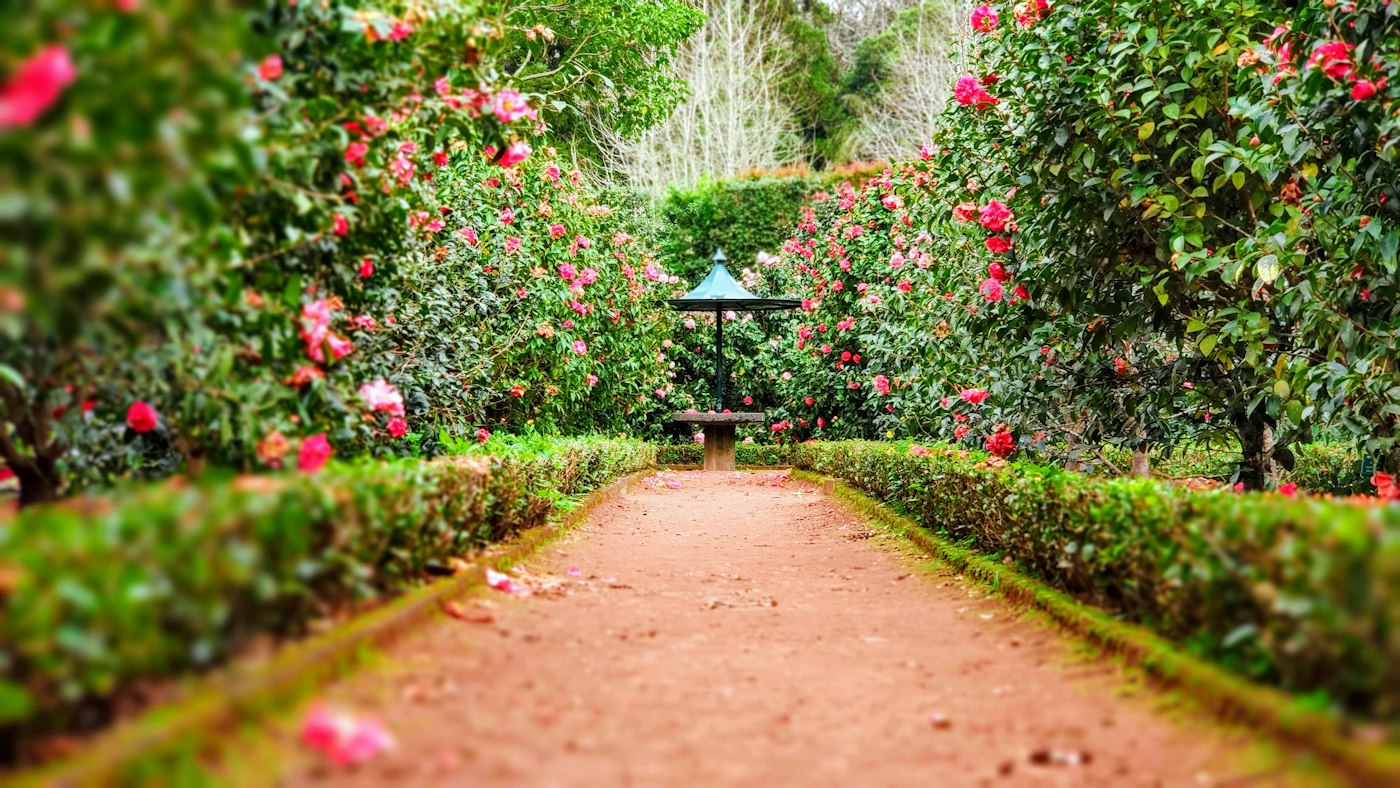
One of the genuinely unexpected pleasures of Phuket villa life is discovering what you can grow. Back home, a lemon tree in a pot was an optimistic experiment. Here, you pull kaffir lime leaves from your own tree for the curry, pick papayas off the plant in the side garden, and have so much lemongrass you start giving it away to Thai neighbours who look mildly amused at the foreign gardener's enthusiasm. Phuket's tropical climate makes gardening both abundant and occasionally humbling — the climate grows things with extraordinary vigour, but it also has opinions about what survives.
🌱 Tropical Gardening in Phuket — Key Facts
- Easiest food plants: Thai herbs (lemongrass, galangal, kaffir lime, chilli, Thai basil)
- Easiest fruit trees: Papaya (6–8 months to fruit), banana (9–12 months)
- Main soil challenge: Native laterite clay — amend heavily with compost and coir
- Main climate challenge: Monsoon waterlogging May–Oct; drought stress Feb–Apr
- Where to buy plants: Route 4027 Thalang nurseries, HomePro, Phuket Farmers Markets
- Gardener (mali) cost: 300–500 THB per half-day; 3,000–6,000 THB/month regular
- Best planting time: Start of rainy season (May–June) for most tropical plants
What Actually Grows in Phuket
The honest answer is: almost anything tropical grows extraordinarily well, and most temperate plants struggle. This is a climate that grew the food for one of the world's great cuisines. The full range of Thai herbs, vegetables, and fruits is achievable in any garden with basic soil preparation. Western vegetables need more management but several succeed seasonally.
Thai Herbs: Your Starter Garden
If you grow nothing else in Phuket, grow the herbs you cook with. Lemongrass is practically a weed here — plant a section of fresh market lemongrass in good soil and it will establish into a large clump within a few months. Galangal and turmeric grow from rhizomes (get them from the market and plant directly). Kaffir lime grows into a small tree that supplies leaves for years. Thai basil, holy basil, and chilli plants all establish quickly from seedlings available at any market or nursery.
These herbs require almost no care once established in good soil: water in the dry season, harvest regularly (which encourages bushing and production), and keep an eye for caterpillars on the chilli plants. The satisfaction of picking fresh kaffir lime leaves thirty seconds before they go into a curry never gets old.
| Plant | Time to Harvest | Difficulty | Notes |
|---|---|---|---|
| Lemongrass | 3–4 months | Very easy | Plant market-bought stalks with roots |
| Galangal | 4–6 months | Very easy | Plant market rhizome sections |
| Kaffir lime | Leaves year-round once established | Easy | Thorniness — wear gloves pruning |
| Thai basil / Holy basil | 6–8 weeks | Easy | Pinch flowers to extend leaf production |
| Chilli (prik) | 2–3 months | Easy | Many varieties; watch for caterpillars |
| Papaya | 6–8 months | Very easy | Grows from market seed; very productive |
| Banana | 9–12 months | Easy | Plant suckers; fruit once then regrow |
| Cherry tomatoes | 8–10 weeks | Moderate | Best in dry season; need staking |
| Morning glory (pak boong) | 3–4 weeks | Very easy | Year-round; grows at remarkable speed |
| Mango | 3–5 years (grafted: 1–2 years) | Easy once established | Buy grafted trees for faster fruit |
Insider tip: Buy your first Thai herb plants from the Phuket Organic Farmers Market in Bang Tao or Chalong rather than a garden centre — you'll pay 20–50 THB for established seedlings grown by people who actually cook with them, and the vendors can tell you exactly how to grow each one in Phuket's conditions. Better plants, better advice, better price.
The Soil Challenge: Phuket Laterite
If you dig into a typical Phuket garden and find dense, reddish-orange clay that sets like concrete when dry and becomes waterlogged when wet — welcome to laterite. Laterite soil dominates much of Phuket and is notably poor for gardening in its native state: low organic matter, poor drainage, high iron content, and low pH. It's not what's growing on it naturally (Phuket's native vegetation is highly adapted); it's just not a kitchen garden's friend without intervention.
The fix: raised beds filled with imported growing medium, or heavy amendment of existing soil. For raised beds, fill with a mix of good quality topsoil (order from local landscaping suppliers), coir (coconut fibre — extremely cheap in Thailand, available at agricultural supply shops in 5kg bales for 80–150 THB), compost, and perlite or river sand at roughly 40/30/20/10 ratio. This creates a well-draining, biologically active growing medium that Thai herbs and vegetables will thrive in.
Managing the Wet and Dry Seasons
Phuket gardening essentially has two modes. Dry season (November–April, most extreme February–April): water daily, mulch heavily, potential drought stress. Rainy season (May–October, most intense September–October): manage waterlogging, watch for fungal disease, enjoy explosive growth. Understanding this rhythm prevents the two most common garden failures: drought death in March and root rot in September.
Rainy Season Strategy
The rainy season is when Phuket's garden looks its most spectacular — and when the most work is required. Everything grows, including weeds, which can double in size between monthly mali visits. Container gardens need clear drainage holes and raised positioning so pots don't sit in accumulated water. Raised beds perform dramatically better than ground-level planting during heavy rainfall periods.
Dry Season Strategy
Drip irrigation on a timer is the single most useful investment for a Phuket dry-season garden. A basic system from HomePro costs 500–2,000 THB and can be installed in an afternoon. Set it to run for 20–30 minutes at 06:00 daily during the dry season, and your plants survive without daily manual watering. Without irrigation, a February trip home of even two weeks can be catastrophic for an unwatered garden.
Ornamental Gardening: Making Your Villa Beautiful
Beyond food growing, Phuket's climate produces spectacular ornamental gardening with relatively little effort. Bougainvillea in all its varieties colours walls, fences, and pergolas with almost no maintenance. Frangipani (plumeria) is the quintessential Phuket garden tree — slow to establish but iconic and fragrant. Heliconia and bird of paradise create dramatic tropical statements in large pots or garden borders.
For lower maintenance, established tropical planting with thick mulch and monthly mali care is genuinely achievable at 3,000–5,000 THB per month total including gardener time. The trick is choosing plants appropriate to Phuket's conditions rather than importing temperate sensibilities — roses, in particular, struggle in Phuket's heat and humidity and are more heartache than reward despite being commonly sold at Thai garden centres.
Settling Into Phuket Villa Life?
International health insurance is the first thing to sort before your domestic life gets too comfortable. Compare plans from the main providers used by Phuket expats.
Finding Plants, Supplies & Garden Help
The Route 4027 corridor in Thalang is Phuket's main nursery strip — a 5km stretch with multiple garden centres selling everything from 30 THB herb seedlings to established 3-metre ornamental trees. For gardening supplies (soil, fertiliser, pest control, irrigation), the agricultural supply shops around the Thalang market area stock professional-grade products at Thai prices that make HomePro look expensive.
HomePro (branches at Makro, Central, and Thalang) is convenient for drip irrigation systems, basic tools, and bagged potting mix. Makro Phuket stocks commercial-grade fertilisers and chemicals in quantity. For specialist organic inputs, the Phuket Farmers Market community and the Thai organic farming online community on Facebook have the best sourcing knowledge.
For gardeners (mali): word-of-mouth from neighbours and the Phuket Expats Facebook groups is the best source. A good mali in Phuket visits multiple properties on a circuit and combines knowledge of local conditions with the specific needs you communicate (through photos if language is a barrier). Rates of 300–500 THB for a half-day are standard in 2026 for experienced gardeners.
Questions about Phuket villa life, gardening, or the expat lifestyle? We've been here six years.
Ask us anything — first question free →Frequently Asked Questions: Tropical Gardening in Phuket
Related Lifestyle Guides
- Phuket Organic Farmers Markets: When, Where & What to Buy
- Home Renovation in Phuket: What Every Expat Should Know
- Hiring Domestic Staff in Phuket: Gardeners, Housekeepers & Nannies
- Self-Storage in Phuket: Where to Store Your Belongings
- Phuket Farmers Markets: The Expat Shopping Guide
- Phuket Lifestyle Hub: Home, Leisure & Community
- New to Phuket? Start Your Expat Journey Here