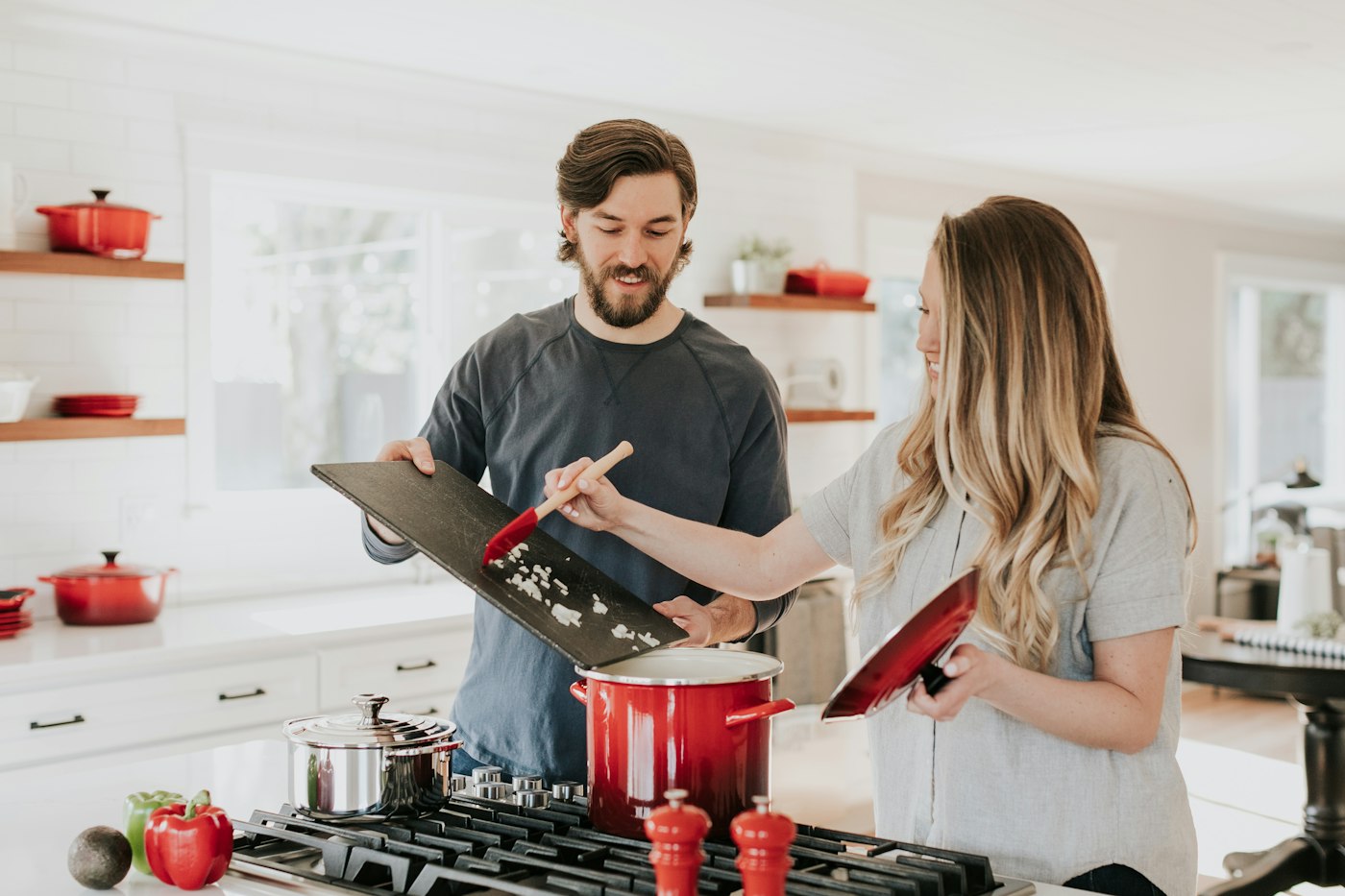
After six years in Phuket, I've had som tum made tableside at Rawai's seafood market, watched a resort chef crack open fresh galangal at 9am, and eaten more pad thai than I care to count. But nothing accelerated my understanding of Southern Thai food like actually getting into the kitchen. Phuket's cooking class scene runs from proper culinary schools with tasting menus to casual afternoon experiences in someone's home garden — and the range in quality is significant.
Here's what I've learned about finding the ones worth your time and money.
Quick Facts — Thai Cooking Classes in Phuket
- Half-day classes (3–4 hrs): ฿1,500–2,500 per person
- Full-day with market tour (6–7 hrs): ฿2,500–3,500 per person
- Resort/private classes: ฿4,000–6,500 per person
- Most classes: 3–5 dishes, taught in English, beginners welcome
- Best areas for classes: Chalong, Rawai, Phuket Town
- Top markets: Rawai Seafood Market, Chalong Market, Chillva Market (Phuket Town)
- Southern Thai specialties: massaman curry, Hokkien mee, Phuket-style satay
- Book ahead: popular schools fill up weeks in advance (especially high season)
Why Phuket Is a Good Place to Learn Thai Cooking
Phuket sits at the intersection of central Thai and Southern Thai food cultures — and Southern Thai food is a different beast. It's spicier, more complex, and uses ingredients you rarely see in Bangkok: fresh turmeric, kaffir lime leaves from trees in the garden, coconut milk pressed from the coconut you just cracked. Southern curries use dried spices differently; the pastes are more aromatic and the heat level is genuinely higher.
This means a cooking class in Phuket, if it's good, will teach you things you simply can't learn from a class in Chiang Mai or Bangkok. The proximity to fresh seafood markets — Rawai Seafood Market is 15 minutes from central Phuket — also makes a significant difference in ingredient quality.
If a class offers only pad thai, green curry, and mango sticky rice — those are tourist-standard dishes. A school worth its salt should offer at least one Southern Thai dish: massaman curry, panaeng, or Phuket-style satay. Ask before you book.
The Best Thai Cooking Schools in Phuket
These are the schools with consistent reputations among both tourists and Phuket residents. I've either attended myself or gotten detailed feedback from people who have.
 Top Pick
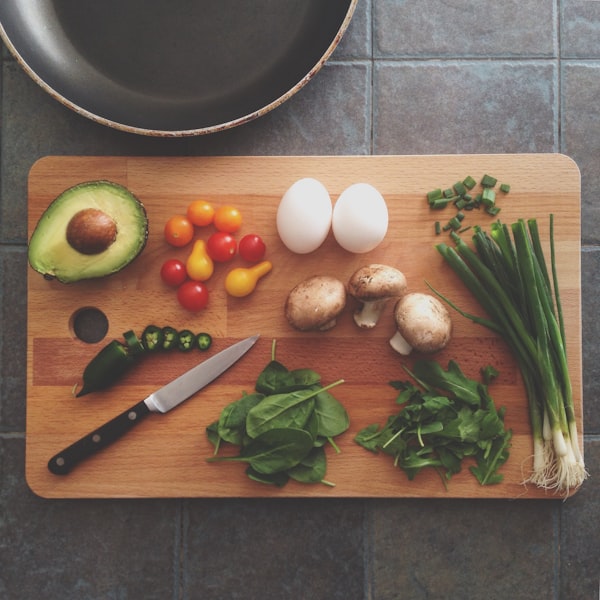
Thai Farm Cooking School
Their organic garden-to-table approach is the real draw — you harvest herbs from the garden before cooking. Small groups (max 8). Southern Thai dishes feature heavily. Market tour included in full-day option (Chalong Market).
 Best Value
Phuket Thai Cookery School
Long-established school near Rawai beach. Very popular with expats for its practical approach — they focus on dishes you can actually replicate at home. Smaller class sizes and English-speaking instructors throughout.
Suay Cooking Studio
Attached to Suay restaurant — one of Phuket Town's most respected Thai restaurants. Classes are smaller and more personal. Excellent for those interested in creative Southern Thai cuisine beyond the standard tourist menu.
 Luxury
SALA Phuket Resort Classes
Resort-based experience with presentation to match. Beachside cooking pavilion, high-quality ingredients, small groups. Better as a splurge experience than a serious cooking lesson — but the setting is exceptional.
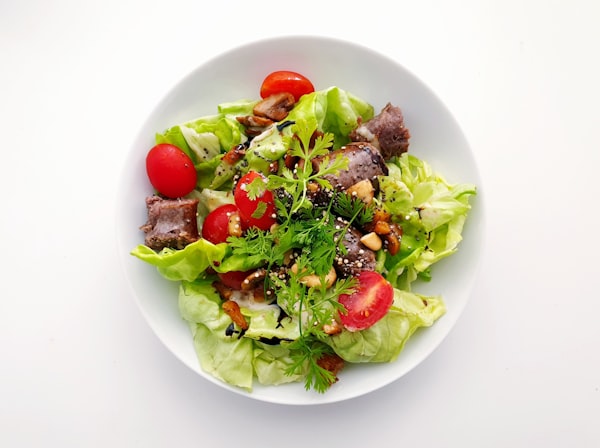
Baan Rim Pa Culinary
Adjacent to the iconic Baan Rim Pa cliffside restaurant. Classes focus on Royal Thai cuisine with some Southern Thai dishes. Known for high standards and exceptional views. Smaller groups; book well in advance.
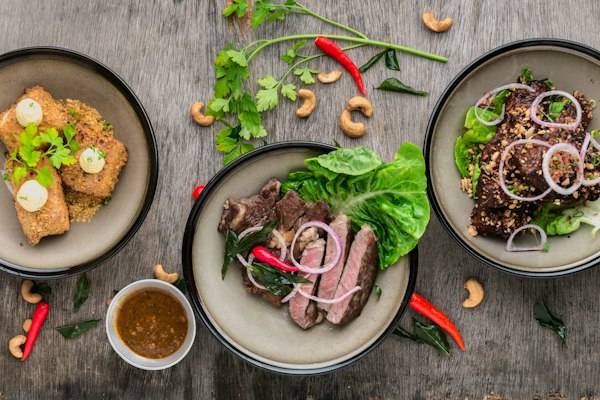
Private Home Classes
Available through platforms like Airbnb Experiences and Cookly. Quality varies significantly — check reviews carefully. The best ones are taught by local home cooks in genuine home kitchens and offer an authenticity that school-based classes can't replicate.
Market Tours: The Essential First Step
Any cooking school worth attending should include a market tour — or offer one as an option. Shopping for ingredients is where you learn to identify fresh galangal from dried, understand which kaffir lime leaves are best, and watch how locals choose their fish. It's also where most of the good stories happen.
Rawai Seafood Market
The most visited market tour destination in Phuket. You can buy live seafood and have it grilled on the spot at the restaurants around the perimeter. For cooking classes, it's ideal for seafood-focused dishes — tom yum goong (prawn soup), steamed fish with lime, stir-fried shellfish. The market runs from early morning and is best by 8:30am before the tour groups arrive.
Chalong Market (Talat Chalong)
A proper local wet market — produce, herbs, meat, and a solid selection of pre-made curry pastes from vendors who've been making them for decades. This is where Thai Farm Cooking School takes their students. Less polished than Rawai, but more authentic. Prices are significantly lower here if you're shopping for yourself.
Chillva Market (Phuket Town)
Open evenings and weekends. More of a street food and lifestyle market, but useful for understanding the local food scene in Phuket Town. Good for evening cooking classes that start with a street food tour before moving to the kitchen. Suay Cooking Studio uses this area.
Markets get hot and crowded fast. Wear light clothing, bring a small bag (not a big backpack), and eat something beforehand — you'll be handling food for an hour before you get to cook it. Most tours leave by 8am.
What You'll Actually Learn: Dish by Dish
Most half-day Phuket cooking classes cover 3–4 dishes. Full-day classes get you to 5–6. Here's what you can realistically expect to make, and what's worth prioritising:
| Dish | Thai Name | Difficulty | Time to Make | Notes |
|---|---|---|---|---|
| Spicy Prawn Soup | Tom Yum Goong | Easy | 20 min | Master this and you can cook it anywhere |
| Coconut Chicken Soup | Tom Kha Gai | Easy | 25 min | Key skill: balancing coconut & lime |
| Stir-fried Rice Noodles | Pad Thai | Medium | 15 min | Wok technique matters here |
| Green Curry | Gaeng Keow Wan | Medium | 30 min | Includes making paste from scratch |
| Red Curry | Gaeng Phet | Medium | 30 min | Different paste profile from green |
| Massaman Curry | Gaeng Massaman | Medium-Hard | 45 min | Southern Thai specialty — worth seeking out |
| Papaya Salad | Som Tum | Easy | 10 min | Mortar technique takes practice |
| Mango Sticky Rice | Khao Niao Mamuang | Easy | 20 min | Essential dessert — crowd pleaser |
| Hokkien Noodles | Mee Hokkien | Medium | 25 min | Phuket-specific — Chinese-influenced |
| Phuket Satay | Satay Moo | Medium | 30 min | Southern-style, different to Bangkok satay |
Pricing Breakdown: What You're Actually Paying For
| Class Type | Duration | Price Range | Includes | Best For |
|---|---|---|---|---|
| Tourist group (half-day) | 3–4 hrs | ฿1,500–2,200 | 3–4 dishes, recipe cards | First experience, budget-conscious |
| Full-day + market tour | 6–7 hrs | ฿2,500–3,500 | 5–6 dishes + market, lunch | Serious learners, full experience |
| Small group (max 6) | 4–5 hrs | ฿2,000–3,000 | More 1:1 instruction | Best value for quality |
| Resort class | 3–4 hrs | ฿4,000–6,500 | Premium setting, drinks | Special occasion, luxury experience |
| Private home cook | 3–5 hrs | ฿2,000–4,000 | Personalised menu | Authenticity seekers |
| Market tour only | 1.5–2 hrs | ฿500–900 | Guide, tasting | Food curious, not cooking |
Choosing the Right Class: What to Look For
Not all cooking classes are created equal in Phuket. After talking to dozens of expats who've done them, these are the differentiators that separate a genuinely valuable experience from a tourist trap:
Group Size Matters Most
Classes of 10+ people mean you spend a lot of time watching the instructor and not much time cooking. Look for schools that cap at 6–8 students. If they don't list their maximum group size, ask directly. The smaller classes are worth the marginal price increase.
Do They Make Paste from Scratch?
Any class that opens a packet of ready-made curry paste is teaching you product assembly, not cooking. Good schools grind fresh galangal, lemongrass, shallots, chillis, and shrimp paste in a stone mortar. It takes longer and is messier, but that's the actual skill you're there to learn.
Is the Instructor a Cook, Not Just a Host?
Some operations hire friendly English speakers to host classes while the actual cooking instruction is thin. Ask to see the instructor's background before booking. Schools attached to real restaurants (like Suay or Baan Rim Pa) tend to have genuinely skilled instructors.
Check the Dietary Accommodation Policy
Vegetarian and vegan versions of most Thai dishes are possible, but they require a different approach to fermented shrimp paste (kapi) and fish sauce (nam pla). Good schools accommodate this without downgrading the experience. Ask specifically what substitutions they make.
Planning Your Move to Phuket?
Download our free relocation checklist — from visa options to finding housing and opening a bank account. 500+ expats have used it.
Get Free Checklist Cost of Living GuideLearning Thai Cooking as a Long-Term Resident
If you're in Phuket for the long haul, cooking classes hit differently. You're not ticking an experience off a list — you're building a skill you'll actually use. And once you understand the fundamentals (paste technique, the balance of fish sauce/lime/sugar, how to handle fresh galangal), your ability to cook at home improves dramatically.
A few things worth knowing for residents:
- Ask about multi-session rates. Thai Farm Cooking School and Phuket Thai Cookery School both offer discounts for repeat students. Some offer 4-class packages for serious learners.
- The local markets are your ongoing education. After one market tour with a guide, you'll know what to look for — fresh vs. wilted herbs, which vendors have the best pastes, when to buy seafood. Chalong Market is your best regular option.
- Central Phuket Grocery (near Lotus's in Chalong) stocks most Thai herbs fresh. So does the 24-hour Tops Market in Central Festival. Once you've learned to identify the ingredients, keeping a Southern Thai kitchen stocked is easy.
- Language helps. Even basic Thai goes a long way at markets. Vendors will show you things they'd never show a tourist with a phrasebook — which fresh turmeric is best that day, where the best coconuts came from.
Southern Thai Dishes Worth Seeking Out
If you're a long-term Phuket resident or a serious food traveller, here are the Southern Thai dishes you should actively try to learn — most aren't on standard tourist cooking class menus, so ask specifically:
- Gaeng Tai Pla — fermented fish organ curry, intense and deeply Southern Thai. Challenging but extraordinary if you can source the key ingredient (available at Chalong Market)
- Mee Hokkien — Phuket's Chinese-influenced braised noodle dish, distinct from anything in Bangkok
- Satay Moo Phuket — Phuket-style pork satay is darker, more spice-forward, and served with a different peanut sauce than Central Thai satay
- Khanom Jeen Nam Ya — fermented rice noodles with Southern fish curry sauce, a common Phuket breakfast
- O-Tao — oyster omelette, a Phuket Town Sino-Thai specialty you can learn at markets in Old Town
The best Thai cooking lesson I had in Phuket wasn't at a school — it was watching my neighbour in Rawai make gaeng massaman for three hours for her family's Chinese New Year gathering. If you develop relationships with local families over time, that kind of informal learning is available to you too. It just takes patience and an appreciation for the culture.
Booking Tips and Logistics
A few practical notes before you show up to cook:
- Book well in advance during high season (November–March). Popular classes at Thai Farm and Phuket Thai Cookery School can fill up 2–3 weeks ahead. Low season (May–October) is much easier to get into.
- Most classes start between 8:30–10am. Market tours require the earlier time. Check if hotel pickup is included or if you're making your own way there.
- Wear clothes you don't mind getting stained. Turmeric is particularly aggressive. Some schools provide aprons; most don't cover your entire outfit.
- You'll eat everything you cook. Be honest about dietary restrictions when booking — vegetarian, vegan, gluten-free, and severe allergies can all be accommodated with advance notice.
- Recipe cards are standard. Every school gives you recipes to take home. The quality varies — some are detailed and tested; others are vague. Ask if they provide gram measurements or only "a handful of" instructions.
Frequently Asked Questions
How much do Thai cooking classes cost in Phuket?
Most half-day classes run ฿1,500–2,500 per person. Full-day courses including a market tour cost ฿2,500–3,500. Private classes or resort-based experiences can reach ฿4,500–6,000. Standalone market tours without cooking are ฿500–900.
Do cooking classes in Phuket include a market tour?
Better schools include a market tour — typically Chalong Market, Rawai Seafood Market, or Chillva Market. This adds 1–1.5 hours and lets you shop for ingredients before cooking. It's worth choosing a class that includes this.
Are Thai cooking classes suitable for beginners?
Yes — almost all Phuket cooking schools cater to complete beginners. Instructors speak English and guide you step by step. No prior cooking experience is needed. Some schools offer intermediate-level classes for those who want to go deeper.
Which area of Phuket has the best cooking schools?
Most established cooking schools are in Chalong, Rawai, and Phuket Town — where local markets are nearby. Bang Tao and Kamala have resort-based classes that are polished but pricier. For an authentic experience, Chalong and Rawai are the best areas.
Affiliate Disclosure: Some links on this page may be affiliate links. If you book through them, we may earn a small commission at no extra cost to you. This helps us keep the guide free. We only recommend schools and services we'd genuinely use ourselves.
Related Guides
Ready to Make Phuket Home?
Our free relocation guide covers everything — visas, housing, healthcare, schools, and banking. Written by residents, not travel writers.
Talk to a Resident Free Checklist