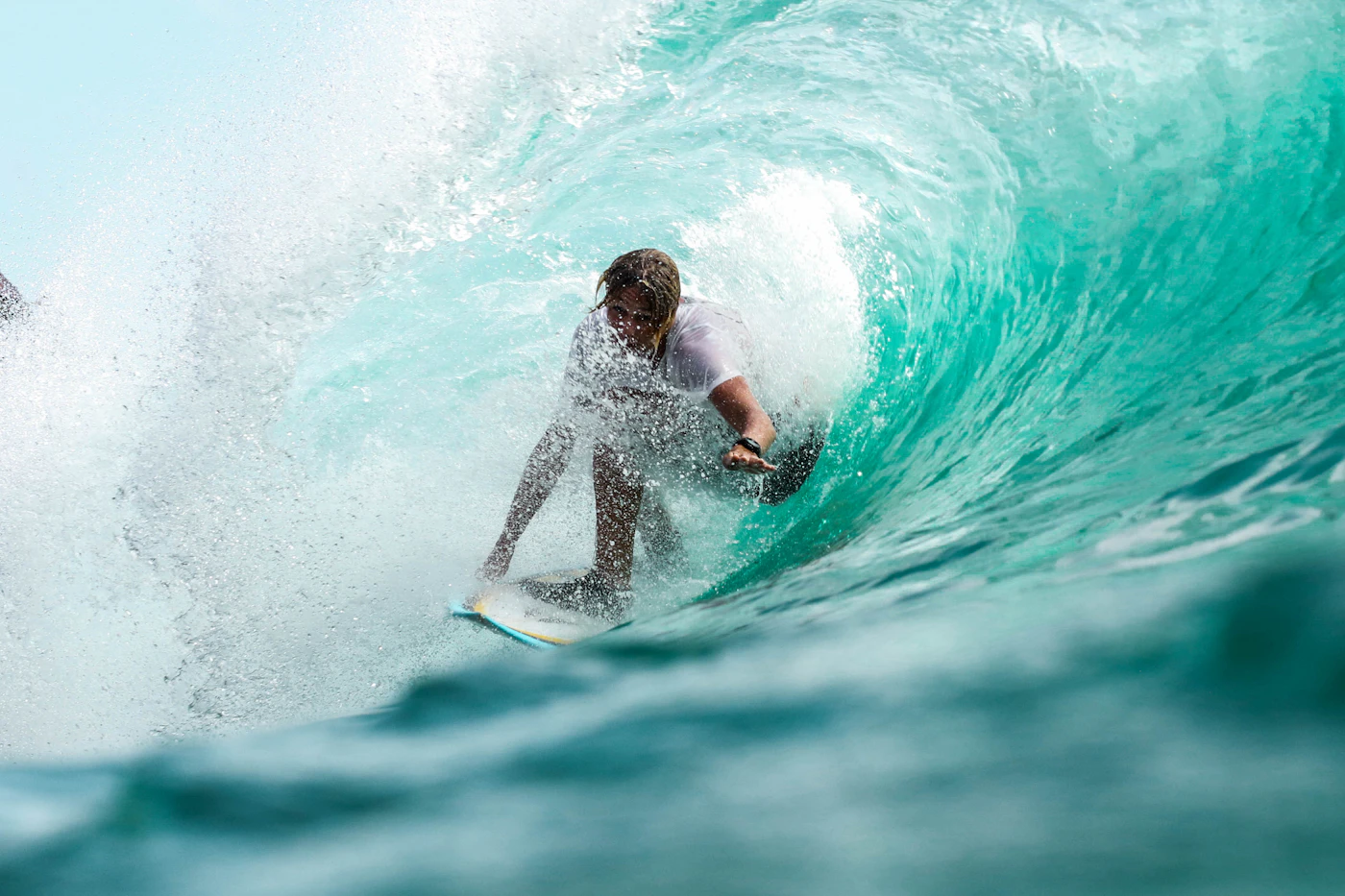
The honest story: Phuket's west coast gets consistent, rideable waves from May to October, but it is not a world-class surf destination. Waves are typically 1–4 feet—perfect for learning and intermediate surfers, but not for experienced surfers seeking big, heavy tubes. Kata Beach is the de facto home of Phuket surfing, with three established surf schools, warm water year-round (28–30°C), and a small but active expat community. If you want to learn to surf or enjoy casual sessions, Phuket delivers; if you're chasing dream waves, you'll head 2 hours north to Khao Lak or across to Indonesia.
Understanding Phuket's Surf Potential
Phuket sits on the Andaman Sea's west coast, exposed to the southwest monsoon from May through October. During these months, prevailing swells wrap around the island, creating consistent conditions on beaches like Kata, Karon, and Kalim. The lack of size is partly geography—Phuket's southern latitude and the Andaman's limited fetch (the distance wind travels over water) produce smaller swells than equatorial breaks like Bali or Sri Lanka. However, the consistency during monsoon season, combined with warm water, lifeguard coverage, and beginner-friendly instruction, makes Phuket an excellent entry point into surfing for expats.
Quick Surf Facts
Phuket Surf Season: A Month-by-Month Breakdown
| Month | Wave Size & Frequency | Conditions & Notes | Best For |
|---|---|---|---|
| May–June | 0.5–2 ft, inconsistent | Season beginning, smaller swells, fewer crowds, warm water, light winds in early morning | Beginners, smaller groups, first lessons |
| July | 1–3 ft, moderate | Building swell, occasional choppy conditions from strong winds, beaches crowded on weekends | Learning surfers, intermediate paddlers |
| August | 2–4 ft, consistent | Peak season: most reliable waves, good shape in morning, lifeguards active, rental shops busy, best learning window | Lessons, steady progression, holiday periods |
| September | 2–5 ft, best of season | Strongest swells arrive, occasional 4–6 ft waves on swell days, more experienced surfers appear, some beach closures on worst days | Intermediate+ surfers, confident swimmers |
| October | 1–3 ft, decreasing | Season winding down, swells less consistent, some workable days, quieter crowds returning | Intermediate surfers, locals, casual sessions |
| November–April | Flat, 0–1 ft | Dry northeast monsoon, no swell on west coast; occasional small wind-waves at east-facing beaches (Nai Harn, Rawai) but not surfable | Not a surf season; best time to travel elsewhere to Khao Lak, Sumatra, or Sri Lanka |
Note: Swell predictions and local conditions vary week to week. Check swell forecasts via Magicseaweed or local Facebook groups 1–3 days before planning a session.
Where to Surf: Phuket's Best Breaks
Kata Beach
Beginner–IntermediateThe main event. Kata is Phuket's most consistent and accessible surf spot—a long, sandy-bottomed bay with a gently sloping beach. Waves peel left and right, offering forgiving shape for learners. Three active surf schools operate here year-round, and board rentals and rash guards are abundant along Kata Beach Road.
Conditions: Best in early morning (6–9am) before wind picks up. Lifeguards patrol daily during season; red flags mean no swimming, but surfers often continue with boards. Occasional rip currents exist—learn to identify and escape them.
Crowds: Peak in August–September, especially weekends and holiday periods. July and early September offer better lineups.
Karon Beach
IntermediateThe quiet alternative. Just north of Kata, Karon is longer and less crowded. Waves are less consistent than Kata—sometimes mushy, occasionally excellent—but when it's on, you'll find fewer surfers. The beach is wider and the vibe is more relaxed.
Conditions: Similar wind and current patterns as Kata. Less lifeguard presence. Best during mid-morning (7–10am) swell windows.
Crowds: Significantly quieter than Kata, even during peak season. Popular with intermediate surfers seeking space.
Kalim Beach (Patong)
Intermediate–AdvancedThe reef point. Just north of Patong, Kalim is a fast, hollow, reef-based left-hand break. Waves are shorter but punchier than Kata. The entry and exit involve rocks—not for beginners. Strong swimmers and experienced surfers only. When it fires (August–September), Kalim offers some of Phuket's best barrels.
Conditions: Breaks over coral/rock reef. Rocky entry/exit makes it hazardous in choppy conditions or strong current. Dawn patrols recommended.
Crowds: Moderate; fewer tourists but more locals and experienced expats.
Surin Beach
AdvancedThe rare gem. North of Patong, Surin produces one of Phuket's best waves when the swell aligns—a rocky-bottomed right-hand break with good shape. However, it only works during specific swell windows (September–October predominantly) and lacks reliable consistency. Requires confident paddling and reef awareness.
Conditions: Rocky bottom, fast, no lifeguards. Recommended for surfers with solid intermediate skills or higher.
Crowds: Very quiet; few tourists attempt this break.
Nai Harn Beach
Occasional/FlatThe long shot. On Phuket's east-facing south coast, Nai Harn occasionally receives small wind-generated swell during the early dry season (November–December), but it is not a reliable surf destination. Most of the year it is either dead flat or choppy. Visit for scenery and swimming; do not bank on surf.
Conditions: Inconsistent; sandy beach but rarely surfable.
Insider Tip: Beyond Phuket
If you're staying in Phuket but crave bigger waves, Khao Lak (2 hours north) is a game-changer. Khao Lak sees consistent 3–6 ft waves during monsoon season, draws a devoted crew of expat and local surfers, and feels less touristy than Phuket. Day trips and weekend getaways are common. For serious wave hunters, the Mentawai Islands (Sumatra, Indonesia) and Bali require a longer journey but deliver world-class, consistent surf.
Surf Schools, Lessons & Board Rental at Kata Beach
Established Surf Schools
Phuket Surf School – The most recognized name. Located directly on Kata Beach, Phuket Surf School offers group and private lessons year-round. Instructors speak English; classes cater to all levels. Beginner group lesson (1.5–2 hours): ฿1,500–฿1,800 including board and rash guard. Private lesson: ฿2,000–฿2,500 per hour. Board rental (separate from lesson): ฿200–฿300 per hour, ฿800–฿1,000 per day for longboards.
Kata Surf School – A competing option with a solid reputation. Similar pricing and instruction quality. Good if Phuket Surf School is busy. Located near the main beach entrance on Kata Beach Road.
Surf House Phuket – Operates both an oceanside lesson operation at Kata and an indoor wave machine (flowrider) at their facility. The flowrider is excellent for practicing balance and technique on flat days. Group sessions on the wave machine: ฿500–฿600 for 30 minutes. Many expats use this for maintenance training during the dry season (November–April). Kata beach lessons: similar pricing to other schools.
Wave House Phuket – Another indoor flowrider facility near Jungceylon mall in Patong. Fun for all ages but not real surfing (no ocean conditions). Worth trying once for variety; ฿400–฿500 for a session.
Board Rental & Gear
All three Kata Beach surf schools rent boards by the hour or day. Walk-up rental shops line Kata Beach Road; prices are negotiable. Standard rates:
- Longboards: ฿200–฿300 per hour, ฿800–฿1,200 per day (best for beginners)
- Shortboards: ฿150–฿250 per hour, ฿600–฿1,000 per day
- Bodyboards: ฿100–฿150 per hour
- Rash guards: Included with lessons; separate rental ฿50–฿100 per day
- Wetsuits: Not needed—water is warm year-round
- Fins & leashes: Included with all rentals
Pro tip: Rent boards early (7–8am) for better selection. Negotiating discounts for multi-day rentals (฿400/day for 3+ days is common) is typical. Many expats buy a used board locally for ฿3,000–฿6,000 if they plan regular sessions.
Surf Etiquette & Safety at Phuket Beaches
The Lifeguard Flag System
Kata and Karon beaches display flag warnings:
- Green flag: Safe for swimming
- Yellow flag: Caution—strong currents or rough conditions; swimming not recommended
- Red flag: Dangerous—no swimming allowed; lifeguards may enforce this
- Double red flags: Beach closed; no entry
Surfing often continues during yellow or single red flag conditions (surfers are on boards, away from swimmers), but respect lifeguard authority. During double red, the beach is closed for safety reasons—do not enter.
Rip Currents & Water Safety
Rip currents occur at Kata and Karon, particularly near river mouths or after heavy rain. They are narrow, fast currents flowing seaward (away from shore). If caught in one:
- Don't panic or fight directly toward shore (you'll exhaust yourself)
- Swim parallel to shore (left or right) to exit the rip
- Once clear, swim back to shore at an angle
- Always wear a leash—if separated from your board, it's easy to drift
Most rip currents at Kata are not life-threatening for experienced swimmers, but awareness is essential. Lifeguards can point out hazards if you ask.
Respecting the Lineup & Local Surfers
- Don't paddle directly in front of swimmers—stick to designated surf zones (usually away from lifeguard towers)
- Show respect to local Thai surfers; Phuket has a growing local community
- Share waves; don't hog the best peaks
- Help beginners and struggling swimmers; the water safety culture at Kata is genuinely friendly
- Take out all trash (wax, snapped leashes, lost items)
Learning to Surf as an Expat in Phuket
Many expats—some in their 30s, 40s, even 50s—have learned to surf in Phuket. The warm water, consistent monsoon swells, and professional instruction create an ideal learning environment. Here's the realistic path:
First Week
Book 2–3 lessons (3 hours total). You'll learn pop-up mechanics, paddling, and wave selection. By the end of week one, most people can pop up on a wave and ride it to shore. Expect sore shoulders and core muscles.
Weeks 2–4
Continue 1–2 lessons per week; rent a board and practice on your own in between. Focus on paddling endurance, reading swell, and trimming (angling) your ride. By week 4, you should be catching waves consistently and standing longer.
Months 2–3
Most beginner courses run 4–6 weeks. By this point, you're comfortable paddling out, catching waves independently, and riding for 10–30 seconds. You're a true beginner and can continue improving without formal lessons, though additional coaching accelerates progress.
Months 3–6 (Monsoon Season Advantage)
The May–October season's consistent waves are invaluable. Regular surfers (2–4x per week) progress rapidly during monsoon months. Many expats who start in May are confidently riding unbroken waves by August and have moved into intermediate territory by October. This progression would take 12+ months in flat-spell climates.
Realistic Expectations
Surfing is not a quick skill. Most people reach beginner–intermediate level (catching waves, riding for 20–40 seconds, basic turns) in 2–4 months of consistent practice. Advanced skills (tight turns, aerials, reading complex swell) take years. Phuket's warm water and consistent monsoon waves make learning faster and more enjoyable, but there's no shortcut to skill.
The Phuket Expat Surf Community
Phuket has a small but active surf community, especially at Kata Beach. The main gathering points are:
- Facebook group "Phuket Surfers": Active daily with swell reports, session calls, spot updates, and social events. Join here to connect with locals, learn conditions, and find session partners.
- Morning lineups: 6–8am at Kata—consistent crew of expats and locals.
- Kata Surf Contest: Held annually in August; local and visiting surfers compete. A fun way to meet the community.
- Rental shops & schools: Staff at Phuket Surf School and Kata Surf School are knowledgeable locals; they provide insider beta on conditions and upcoming swells.
The scene is welcoming to beginners and newcomers. Most expat surfers are friendly and happy to help beginners improve.
Staying Safe in the Water: Essential Tips
- Swim fitness matters: Surfing requires cardiovascular endurance. Comfortable swimmers adapt faster.
- Sunscreen is crucial: Tropical sun + reflection off water = severe burns. Reef-safe sunscreen only (SPF 50+), or use a rash guard.
- Dehydration: Drink water before and after sessions. Paddling in warm water masks thirst.
- Check swell forecasts: Use Magicseaweed, Surfline, or local guides. Avoid paddling out in dangerous conditions.
- Buddy system: Especially as a beginner, surf with a friend or in a lesson. Never paddle out alone if unfamiliar with conditions.
- Know your limits: If a break is beyond your skill level (Kalim, Surin), wait until you're ready. Ego leads to injury.
- Board safety: A leash is non-negotiable. Finless boards (lost fin) are dangerous; exit the water and repair before continuing.
Beyond Phuket: Where to Surf When Phuket Flat
From November to April, when Phuket's west coast is flat, several nearby destinations offer reliable surf:
Khao Lak (2 hours north)
More consistent 3–6 ft waves during monsoon, a more "surfer" vibe, fewer tourists, excellent for intermediate surfers. Many Phuket expats drive up for weekend trips.
Koh Lanta (South)
Operates on a different swell window (June–July) and occasionally receives winter ground swells. Limited accommodation but less crowded than Phuket.
Sri Lanka (Domestic Flight or Ferry)
World-class breaks like Arugambe, Mirissa, and Unawatuna work November–March (opposite Phuket's season). A 2-week trip during Phuket's dry season is popular with serious surfers.
Bali & Indonesia
Ubud, Canggu, and Uluwatu offer year-round waves, better equipment shops, and a thriving international surf community. Flights from Phuket are affordable.
Mentawai Islands (Sumatra)
For dedicated wave hunters, the Mentawai offer world-class consistency and big waves (4–8 ft+). Multi-day boat trips required; more expensive but unforgettable.
Frequently Asked Questions
Disclosure: This guide is based on current conditions, instructor interviews, and community feedback as of March 2026. Prices, operations, and conditions can change. Always verify rental shop and school details directly before booking. This site earns no commission from surf schools or board rental shops mentioned.