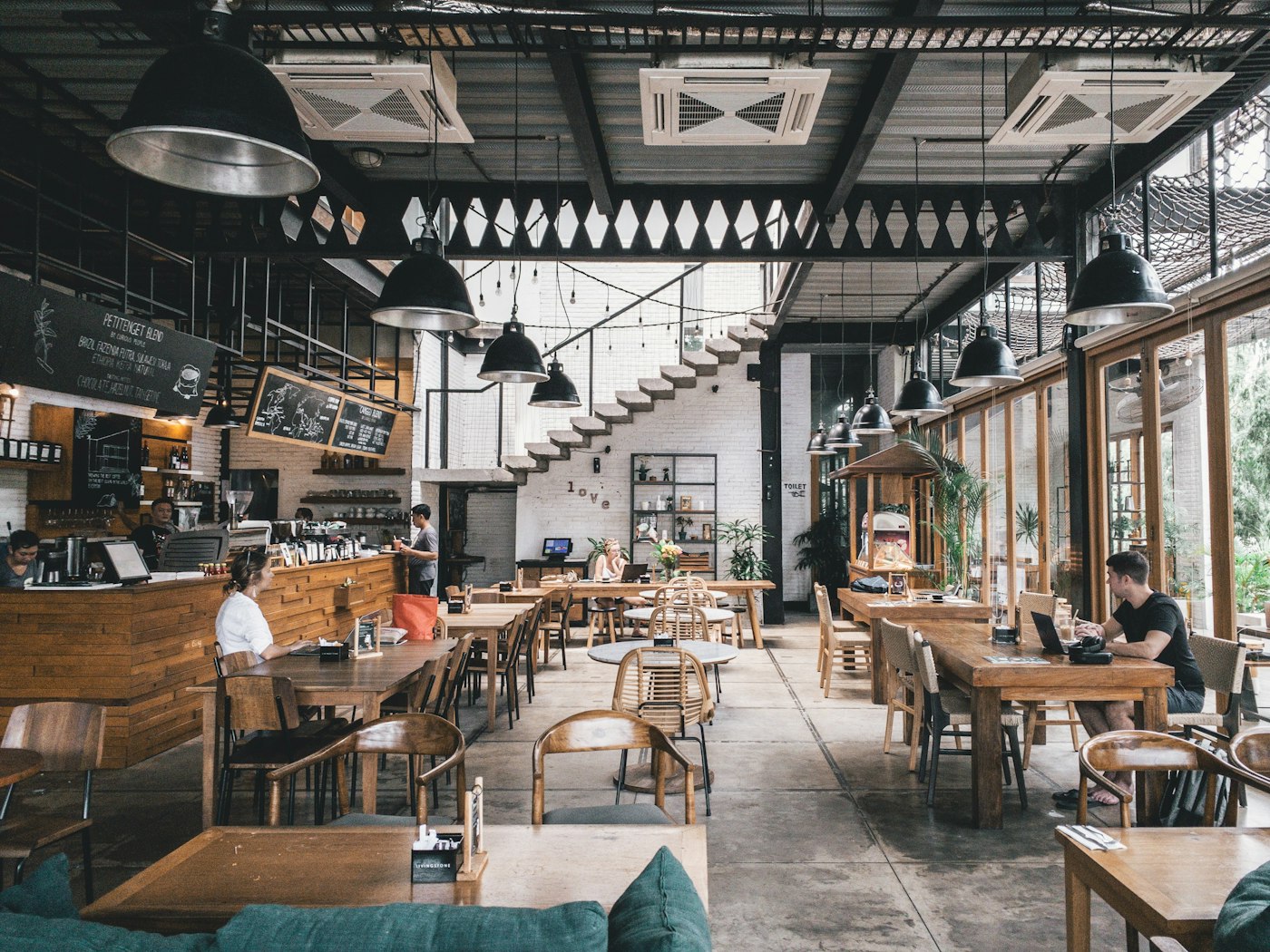
Two things trip up almost every first-time restaurant owner in Phuket. The first is the liquor licence — specifically, discovering after signing a lease that the premises are within 300 metres of a temple or school and therefore ineligible. The second is the food establishment licence, which requires the premises to pass a health inspection that not every landlord-renovated shophouse kitchen will pass on the first try.
Get the licences right before you start building out your kitchen, and the whole process is manageable. Get them wrong, or try to open first and regularise later (as many Phuket restaurants do), and you're operating at the tolerance of the local health officer — which is not a comfortable position. This is the guide I wish someone had given me when we were opening the first venue I helped set up in Chalong.
Key Facts: Phuket Restaurant Licences
- Food establishment licence required from local municipality or SAO
- Food handler health cards for all food-handling staff — annual renewal
- Liquor licence (สุราประเภท 2): THB 5,000–12,000/year from Excise Dept
- Alcohol restricted near schools, temples, hospitals (300m rule)
- Alcohol hours: no sales before 11:00 and 14:00–17:00 banned
- Restaurant is FBA restricted — Thai majority company typically needed
- Health inspections: 1–2 per year, unannounced visits common
- Building usage permit needed if premises change function
The Core Licences Every Phuket Restaurant Needs
1. Food Establishment Licence (ใบอนุญาตประกอบกิจการสถานที่จำหน่ายอาหาร)
This is your primary operating licence for selling food to the public. It's issued by your local municipality (เทศบาล) or Sub-district Administrative Organisation (OrBorTor — องค์การบริหารส่วนตำบล), depending on your location. Phuket City municipality covers central Phuket Town and surrounding areas. Patong, Kata/Karon, Bang Tao, Surin, Kamala, Rawai, and Chalong are each covered by their respective OrBorTor offices.
The application requires your company registration documents, a lease or ownership proof for the premises, a site plan, building permit confirmation that the space is approved for food service use, and evidence that the kitchen meets local health and hygiene standards. A health officer will inspect the premises before the licence is issued — and again annually at renewal. The licence fee is typically THB 1,000–5,000 per year depending on venue size. Allow 4–8 weeks from application to approval.
2. Food Handler Health Cards (บัตรผ่านสุขลักษณะ)
Every person who directly handles food — cooks, prep staff, the person washing vegetables — needs a food handler health card. This requires a basic medical examination confirming they don't have communicable diseases, plus completion of a food hygiene awareness session. Cards are issued by the local public health authority and cost approximately THB 100–300 per person. They must be renewed annually. Keep the originals on-site at all times — health inspectors will ask to see them.
3. Liquor Licence (ใบอนุญาตจำหน่ายสุรา)
If you want to sell alcohol at your restaurant — and in Phuket's restaurant market, not selling alcohol is a significant commercial disadvantage — you need a Type 2 on-premises liquor licence from the Excise Department (กรมสรรพสามิต). The Phuket Excise Department office is located in Phuket Town on Phuket Road. The annual fee ranges from THB 5,000 to THB 12,000 depending on your venue type and size.
Alcohol Sales Restrictions in Phuket: The Rules You Must Know
Time Restrictions
Thai law restricts the hours during which alcohol can be sold throughout the country, including Phuket. Sales are permitted from 11:00–14:00 and 17:00–midnight at most licensed establishments. The midday break (14:00–17:00) is the one that catches tourists and some operators by surprise — you can sell a Singha with lunch but not an afternoon Chang at 3pm. Some entertainment venues in Patong operate under extended entertainment hour licences, but this requires a separate approval process.
Religious and National Holidays
Alcohol sales are prohibited on certain Buddhist holy days (วันพระ) and national holidays — Visakha Bucha, Makha Bucha, Asalha Bucha, and election days. The specific dates vary each year. Fines for selling during prohibited hours are modest by Western standards but the cumulative reputational effect of violations with local officials is real. Most serious restaurant operators in Phuket maintain a calendar of restricted sale days.
Complete Licence Checklist for Phuket Restaurants
| Licence/Permit | Issuing Authority | Cost (THB) | Renewal | Timeline |
|---|---|---|---|---|
| Food establishment licence | Local municipality/OrBorTor | 1,000–5,000/yr | Annual | 4–8 weeks |
| Food handler health cards | Local public health authority | 100–300/person | Annual | 1–2 weeks |
| Liquor licence (Type 2) | Excise Department | 5,000–12,000/yr | Annual | 4–8 weeks |
| Company registration (DBD) | Department of Business Development | 25,000–50,000 | Annual report | 2–3 weeks |
| Signage/advertising permit | Local municipality | 500–3,000 | Annual | 1–2 weeks |
| Building usage permit | Local authorities / municipality | Varies | One-time | 4–12 weeks |
| Music entertainment licence | Police / local authority | 2,000–8,000 | Annual | 4–6 weeks |
The FBA Question: Can a Foreigner Own a Phuket Restaurant?
Restaurant and food service operations are listed in Schedule 3 of the Foreign Business Act as restricted businesses. This means a foreigner cannot own the majority of a restaurant in Thailand without a Foreign Business Licence (FBL) — which is difficult to obtain for a standard restaurant. Most expat restaurant owners in Phuket operate through a Thai-majority company structure (51% Thai, 49% foreign), with the foreign founder working as managing director under a work permit. See our detailed guide on setting up a company in Phuket and the Foreign Business Act for full details.
Health Insurance for Your Phuket Restaurant Staff
Offering group health insurance keeps your best Thai staff loyal and reduces sick-day disruption. Cigna and Pacific Cross both offer group SME plans from as little as THB 8,000/person/year — worth it for any restaurant with 5+ full-time staff.
[AFFILIATE_CIGNA_HEALTH] Compare health insurance options →Health Inspections: What Officers Check
Phuket health inspectors are thorough and their visits are often unannounced. Based on conversations with restaurant owners in Rawai, Kata, and Bang Tao, here's what they consistently check. Kitchen hygiene comes first — surfaces, equipment cleanliness, food storage temperatures, and separation of raw and cooked food areas. They'll check that all staff food handler cards are current and displayed. They'll look at your pest control measures (you need a contract with a licensed pest control company). Waste disposal arrangements — especially grease trap management — are frequently cited. Toilet facilities for staff and customers are inspected separately from kitchen areas.
In Phuket's busiest tourist areas, several professional licence consultants — many of them former municipality officials — offer complete restaurant licence package services. For THB 15,000–30,000, they handle the food establishment licence, assist with the liquor licence application, arrange the health card sessions for your staff, and accompany you through the health inspection. For a first-time operator, this is money extremely well spent. Ask your business lawyer or the restaurant association for recommendations.
Need Help Getting Your Phuket Restaurant Licences?
Our vetted directory includes licence consultants, business lawyers and F&B specialists who know Phuket's local authorities well. First question is free.
Ask us a question → Find a licence consultant →Frequently Asked Questions
What licences does a restaurant in Phuket need?
At minimum: a Food Establishment Licence from the local municipality or OrBorTor; food handler health certificates for all food-handling staff, renewed annually; a liquor licence (สุรา) if you intend to sell alcohol; and any applicable signage permit. Larger restaurants also need a building usage permit confirming the premises are approved for food service.
How much does a liquor licence cost in Phuket?
The annual liquor licence (สุราประเภท 2) for a restaurant or bar in Phuket costs approximately THB 5,000–12,000 per year depending on venue size and location, payable to the Excise Department. Applications typically take 4–8 weeks and are processed through the Phuket Excise Department office in Phuket Town.
Can a foreigner own a restaurant in Phuket?
Restaurant and food service is listed in Schedule 3 of the Foreign Business Act as a restricted business. Foreigners cannot own the majority of a restaurant without a Foreign Business Licence. Most expat restaurant owners operate under a Thai-majority company structure (49% foreign, 51% Thai).
What are food handler health cards and who needs them?
Food handler health cards are required for every person who directly handles food — cooks, prep staff, and anyone touching food before it reaches the customer. The card requires a basic medical examination and a food hygiene training session. Cards must be renewed annually and cost approximately THB 100–300 per person.
How often does the health department inspect Phuket restaurants?
The local health authority conducts routine inspections of registered food establishments typically once or twice per year. Unannounced visits are common. Tourist-area restaurants near Patong, Kata, and Bang Tao may receive more frequent inspections during high season. Serious violations can result in immediate closure.
Are there restrictions on where restaurants can sell alcohol in Phuket?
Yes. Thai law prohibits alcohol sales within 300 metres of schools, temples, hospitals, and government offices. Before signing a lease for premises where you intend to sell alcohol, have a lawyer or licensing agent verify the location is eligible. Also note the daily time restrictions: no sales before 11:00 and sales prohibited 14:00–17:00.
