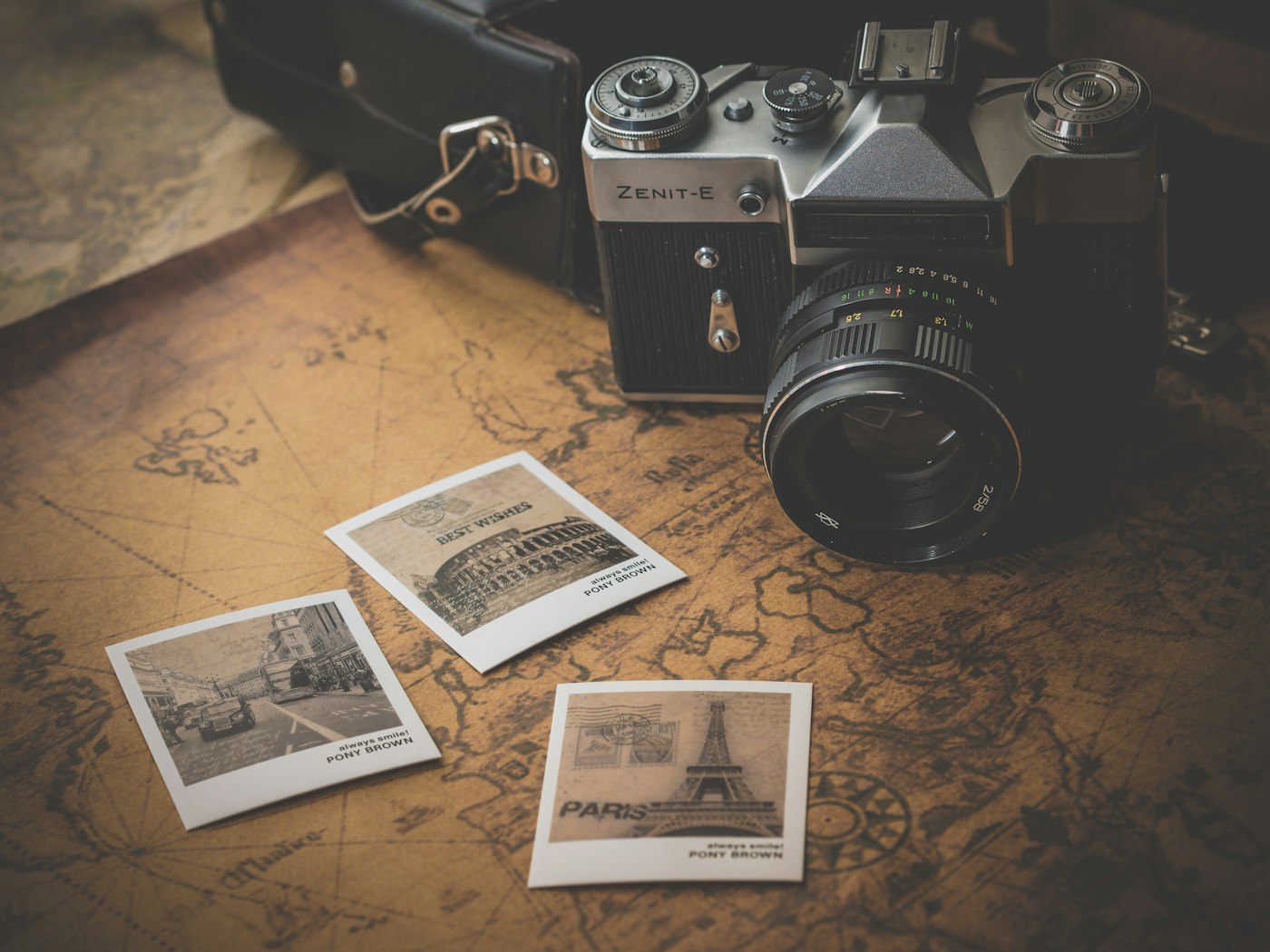
Phuket is one of the most visually spectacular places on earth to run a photography or videography business. Between the wedding market (it is one of Asia's top destination wedding locations), the booming real estate sector, the hotel and hospitality content demand, and the tourist family portrait market in Bang Tao and Kata — the commercial photography opportunity here is genuinely significant.
But I have watched talented photographers arrive and immediately start shooting paid clients on a tourist visa, operate a drone commercially without a licence, and wonder why they eventually end up with immigration problems. The market is real. The legal requirements are also real. This is the guide that covers both.
Key Facts at a Glance
- FBA restriction: Photography services = Schedule 3 service business; max 49% foreign ownership without FBL
- Work permit required: Yes — for all paid photography work by foreign nationals
- Drone commercial licence: Remote Pilot Licence (RPL) from CAAT required for commercial operations
- Best niches: Weddings, real estate, hospitality content, family portraits
- Visa options: Thai-majority company + work permit, BOI, or LTR Skilled Worker Visa
- Peak season: October–February (wedding season and high tourism)
FBA Rules: Can a Foreigner Run a Photography Business in Phuket?
Photography and videography are classified as service businesses under Schedule 3 of the Foreign Business Act (FBA). The practical consequence: you cannot legally operate a foreign-majority photography company without a Foreign Business Licence (FBL) — and FBLs are rarely granted for creative services.
The three realistic options for foreign photographers wanting to work legally in Phuket:
Option 1: Thai-Majority Company
Register a Thai limited company where Thai nationals hold 51%+ of shares. You hold 49% and serve as director, holding a work permit as 'photographer' or 'videographer'. This is the most common structure. Your Thai co-shareholders must be genuine — not nominees. Many photographers use Thai spouses or business partners who are genuinely involved in the business.
Option 2: BOI Promotion
If your photography business meets BOI qualifying criteria (specific investment thresholds, content creation for export, etc.), BOI promotion may allow 100% foreign ownership. This is viable for production companies with significant investment but unusual for small-scale photographers. See our Phuket BOI guide for details.
Option 3: LTR Highly Skilled Professional Visa
Thailand's Long-Term Resident (LTR) Visa with Highly Skilled Professional category permits self-employment work permits for foreign nationals in qualifying fields including creative industries. This is worth exploring for established professionals with documented income history. See our Phuket visa hub for LTR details.
Work Permits for Photographers in Phuket
Any paid photography or videography work performed by a foreign national in Thailand requires a work permit. This includes:
- Wedding photography at a Phuket venue
- Shooting real estate listings for a Phuket agency
- Creating content for a Phuket hotel or resort
- Family portrait sessions with tourists on Nai Harn beach
- Commercial product photography for a Phuket F&B business
The common misunderstanding is that working for overseas clients and receiving payment into an overseas bank account avoids the work permit requirement. It does not — the determining factor is where the work is performed, not where the payment is received.
Work permit applications go through the Department of Employment office in Phuket Town. Processing time: 2–4 weeks with a complete application. Your Thai-registered company must be in place before applying. Budget THB 3,000–5,000 in government fees plus lawyer costs (THB 6,000–15,000) if using an agent. See our full Phuket work permit guide for the complete process.
Drone Licensing in Phuket: What You Actually Need
This is where more photographers get into trouble than any other area. Thailand has clear drone regulations that are actively enforced:
CAAT Registration
All drones over 250g must be registered with the Civil Aviation Authority of Thailand (CAAT) regardless of purpose. Registration is done online through the CAAT portal and is renewed annually. Failure to register: fines of THB 40,000+.
Remote Pilot Licence (RPL)
Commercial drone operations require a Remote Pilot Licence (RPL) — defined as any drone flight where you receive payment for the resulting images or footage. The RPL involves theory and practical examinations through CAAT. Processing takes 4–8 weeks. A personal RPL allows you to fly commercially as an individual; a corporate RPL covers your company's operations.
Restricted Zones in Phuket
Phuket has specific no-fly and restricted-fly zones relevant to photographers:
- Phuket International Airport (HKT): No-fly zone within 9km radius; restricted airspace around flight paths
- Khao Phra Thaew National Park: No drones without prior permission from the Royal Forestry Department
- Government buildings and military areas
- Populated tourist beaches (Patong, Kata, Karon) during operating hours: Periodic enforcement — check current CAAT zones before each shoot
- Within 50m of people without prior consent
For real estate and resort drone work — your bread and butter — check the CAAT app for current restricted zones before each shoot and document your compliance.
Send International Invoices from Phuket Easily
Receive international photography payments without hidden fees. Wise lets you invoice wedding and hospitality clients worldwide in their currency and convert to THB at the real mid-market rate.
[AFFILIATE_WISE] — Open a Wise account free →The Phuket Photography Market: Best Niches in 2026
| Niche | Typical Rates (THB) | Seasonality | Lead Time |
|---|---|---|---|
| Wedding photography (full day) | 35,000–150,000 | Strong Oct–Feb; low May–Sep | 3–12 months |
| Pre-wedding sessions | 15,000–60,000 | Year-round (Asian market strong) | 1–4 months |
| Family portrait sessions | 6,000–25,000 | Year-round; peak Dec–Jan | Days–weeks |
| Real estate photography (villa/condo) | 4,000–20,000 | Year-round | 1–2 weeks |
| Hotel/resort content (day rate) | 15,000–45,000 | Year-round | Weeks–months |
| F&B / restaurant photography | 5,000–18,000 | Year-round | 1–2 weeks |
| Drone real estate video | 5,000–25,000 | Year-round | Days–weeks |
| Commercial product photography (day) | 8,000–30,000 | Year-round | 1–4 weeks |
Setting Up Your Studio and Operations in Phuket
Do You Need a Physical Studio?
Many successful Phuket photographers operate without a dedicated studio space — especially those focused on outdoor, on-location, or real estate work. If you are doing in-studio portraits, product photography, or commercial work, a physical studio helps. Studio rental by the hour is available in Phuket Town and Bang Tao (approximately THB 1,500–4,000/hour for a professionally equipped space) — cheaper than a permanent lease if your studio needs are intermittent.
Equipment Ownership and Import
Bringing professional camera equipment into Thailand on import for permanent use should be declared at customs. Professional cameras, lenses, and lighting equipment can trigger import duties — work with a freight forwarder or customs broker if bringing in significant kit. Buying locally from Phuket's camera shops (Power Mall in Central Phuket is the main option) avoids import complexity but prices are typically 10–20% higher than online international pricing. For drones, bring proof of purchase and model documentation to simplify CAAT registration.
Building Clients in Phuket: What Actually Works
- Wedding agencies and planner networks: Building relationships with Phuket's established wedding planners (many based in Rawai, Bang Tao, and Kamala) is the fastest route to consistent wedding bookings. Commission-based referrals of 10–15% are standard.
- Real estate agencies: Approach the major Phuket agencies (Knight Frank, CBRE, C9 Hotelworks' residential arm) directly with a portfolio. Agencies with consistent listing volume want reliable photographers on a standing rate arrangement.
- Hotel and resort social media managers: Phuket's hotel industry churns through social media content. A direct pitch to the marketing manager with a tailored proposal is more effective than cold email.
- Instagram-driven discovery: Phuket photography niches are highly visual and Instagram-discoverable. A consistent posting strategy with geo-tags (Bang Tao beach, Nai Harn beach, Rawai sunset) drives direct inquiries from incoming tourists.
- Google Business profile: 'Phuket wedding photographer' and 'Phuket family photographer' are high-intent search terms. A properly optimised Google Business profile and client review collection strategy provides consistent inbound leads.
Frequently Asked Questions
Can a foreigner run a photography business in Phuket legally?
Yes, through a Thai-majority company structure (foreigner holds up to 49%), BOI promotion (for qualifying investment levels), or an LTR Highly Skilled Professional Visa. Simply shooting on a tourist visa is working illegally regardless of where payment is received.
Do I need a drone licence to fly commercially in Phuket?
Yes. A Remote Pilot Licence (RPL) from CAAT is required for all commercial drone operations (any flight where you receive payment). All drones over 250g must also be registered with CAAT. Restricted zones around Phuket airport, national parks, and populated beaches require pre-approval.
Do I need a work permit as a photographer in Phuket?
Yes — any paid photography work performed on Thai soil by a foreign national requires a work permit, regardless of where the client is based or where payment is received. Work permits are issued through the Department of Employment in Phuket Town and require a registered Thai company.
What are the best photography niches in Phuket?
Weddings and pre-weddings, real estate, hotel/resort content, family portraits, and F&B photography are all strong. Weddings offer the highest per-project revenue (THB 35,000–150,000) but are seasonal. Real estate and hospitality work provides more consistent year-round income.
Can I shoot photography on Phuket beaches commercially?
Public beaches are technically accessible, but commercial photography operations can attract attention from authorities. Early morning shoots are less problematic. For consistent commercial beach work, partnering with beach clubs and resorts provides a cleaner operational framework.
How much can a photographer earn in Phuket?
An established photographer across multiple niches can earn THB 100,000–400,000/month. Wedding photographers with strong market connections earn the most during peak season (Oct–Feb). Real estate and hospitality retainers provide more stable year-round income.
Ready to Set Up Your Photography Business in Phuket?
Our vetted advisors can help with company registration, work permits, CAAT drone licensing, and client contract templates — everything you need to shoot legally and professionally in Phuket.
Book a free 30-min consultation →