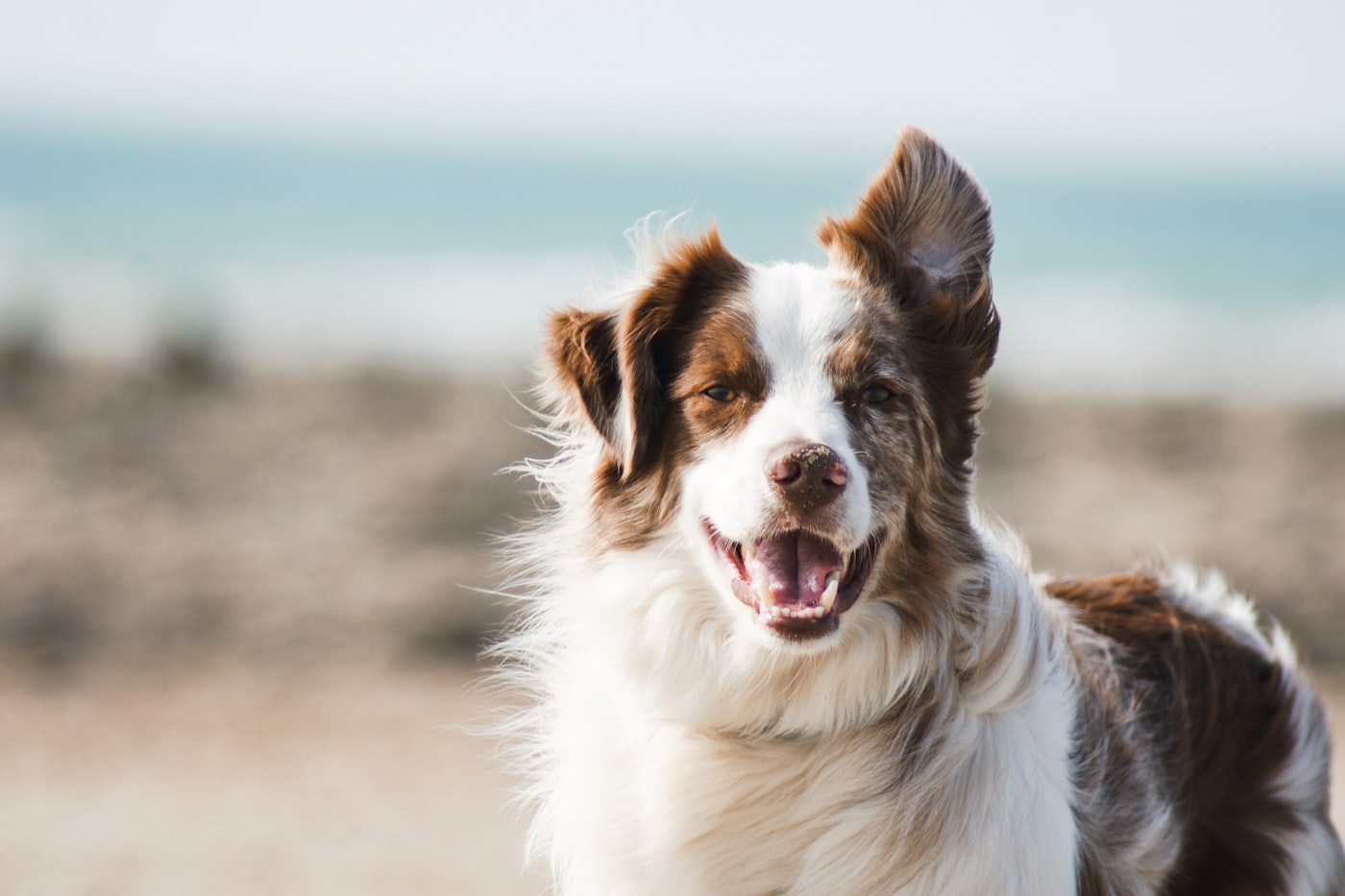
Bringing your pet to Phuket is absolutely doable — but the paperwork is real and the timing matters. Get the rabies vaccination timing wrong by a single day and your pet could be held at the airport. Here's the complete, up-to-date process.
Step-by-Step: Bringing Your Pet to Phuket
-
Microchip your pet (ISO 11784/11785 standard) Thailand requires all imported dogs and cats to have an ISO-compliant 15-digit microchip. This is the global standard — if your pet was microchipped in the UK, EU, Australia or US after 2010, it's almost certainly compliant. If your pet only has an older 9-digit chip, have a new ISO chip implanted. The microchip number must appear on all subsequent documents exactly as it reads on the scanner.
-
Rabies vaccination — timing is critical Your pet must have a valid rabies vaccination. The vaccine must have been administered at least 30 days before travel (to allow immune response) but no more than 12 months before entry. This is the most common mistake — owners vaccinate too close to departure. Plan the vaccination at least 6–8 weeks before your travel date to be safe. Rabies titer testing is NOT required for Thailand (unlike Japan, Australia or NZ) — just the vaccination certificate.
-
Get a health certificate from a licensed government vet Within 7–10 days of departure, a licensed veterinarian (who must be government-authorized in your country) issues a health certificate confirming your pet is healthy, microchipped, and vaccinated. This document must be endorsed/stamped by your country's official animal health authority (APHIS in the US, APHA in the UK, etc.). Processing time for official endorsement can be 2–7 working days — factor this in.
-
Apply for Thailand import permit (DLD) Apply online at the Department of Livestock Development (DLD) website at least 7–14 days before travel. The application requires: pet name, species, breed, DOB, microchip number, your passport details and Thai contact address. The permit is free. You'll receive an e-permit — print it and bring it with you. The permit is valid for 30 days from issue date.
-
Book pet-approved airline cargo or cabin transport Not all airlines accept pets — and policies change frequently. Small dogs and cats (combined weight under 8kg including carrier) can often travel in-cabin on airlines like Thai Airways, Bangkok Airways and some European carriers on Thai routes. Larger dogs must travel in the hold as manifest cargo. Book your pet's space when booking your own ticket — pet spaces are limited. Carriers must meet IATA Live Animal Regulations sizing requirements.
-
At Phuket Airport — declaration and inspection On arrival at Phuket International Airport (HKT), follow signage to the Animal Quarantine station in the arrivals area. Present: import permit, health certificate (with official endorsement), vaccination record, and your passport. The DLD officer will scan your pet's microchip (ensure it matches all documents exactly), check vaccination dates and review the paperwork. If everything is in order, you're cleared in 20–40 minutes. There is no quarantine holding period for compliant pets.
-
Register with a Phuket vet on arrival Within the first week, register your pet with one of Phuket's international veterinary clinics (see below). This establishes a local medical record, ensures your Thai vaccination records are up to date, and gives you a point of contact for any health issues.
Documents You Need — Checklist
- ✅ Valid ISO microchip (15-digit)
- ✅ Rabies vaccination certificate (administered 30+ days, max 12 months before travel)
- ✅ Government vet health certificate (issued within 10 days of departure)
- ✅ Official endorsement stamp on health certificate
- ✅ Thailand DLD import permit (e-permit print or PDF)
- ✅ Your passport (for matching to import permit)
- ✅ IATA-compliant travel carrier/crate
Best Veterinary Clinics in Phuket for Expats
Bangkok Hospital for Animals — Thalang
Part of the Bangkok Hospital Group, this is Phuket's best-equipped veterinary facility. 24/7 emergency services, full diagnostic imaging (X-ray, ultrasound), surgery capabilities and English-speaking staff. The standard of care matches Bangkok's top veterinary hospitals. Located in Thalang near the airport, convenient for the north of the island.
Sirirak Veterinary Hospital — Phuket Town
A well-established private veterinary practice in Phuket Town with good English-language capability. Strong for routine care, vaccinations and minor surgery. The best option for expats based in Rawai, Kata/Karon or Phuket Town itself. Experienced with foreign breeds and expat health records.
Animal Wellness Center — Bang Tao
Popular with the Laguna-area expat community. Offers standard veterinary services, dental cleaning, grooming and vaccination programmes. English-speaking vets. Good for routine maintenance and annual checkups. Limited surgical capabilities compared to Bangkok Hospital for Animals — they'll refer complex cases.
Cost Comparison — Phuket Pet Care in THB
| Service | Approximate Cost (THB) |
|---|---|
| Routine consultation | ฿350–1,200 |
| Annual vaccination (dogs) | ฿800–1,500 |
| Rabies booster | ฿300–600 |
| Microchip implant | ฿500–1,000 |
| Dental cleaning (under anaesthesia) | ฿3,500–7,000 |
| Spay/neuter (female cat/small dog) | ฿2,500–6,000 |
| Blood panel | ฿1,500–3,500 |
| X-ray | ฿1,500–3,000 |
| Import DLD permit | Free (online application) |
| Government health certificate endorsement | ฿2,000–5,000 (home country) |
Life with Pets in Phuket — What to Know
- Heat and humidity: Phuket is hot year-round (30–36°C). Short-nosed (brachycephalic) breeds like bulldogs and pugs struggle in the heat — ensure air-conditioned indoor space. Early morning and evening walks only during hot months.
- Tropical diseases: Heartworm (via mosquitoes), tick-borne diseases and leptospirosis are present in Phuket. Monthly heartworm prevention (Heartgard or Nexgard Spectra) and regular tick treatment are essential — not optional. Discuss a tropical prevention programme with your vet on arrival.
- Stray dogs: Phuket has a significant stray dog population, particularly in Patong, Rawai and Chalong. Keep your pet on lead in areas with strays. Rabies is rare but theoretically possible — keep vaccinations current.
- Beach access: Most Phuket beaches technically prohibit dogs but enforcement is inconsistent. Nai Harn and Rawai areas are most dog-friendly among locals. Early morning (before 7am) beach walks are generally fine.
- Pet-friendly housing: Many Phuket villa landlords accept pets; condos are more restrictive. State your pet clearly when negotiating rental — trying to hide a pet creates relationship problems with Thai landlords.