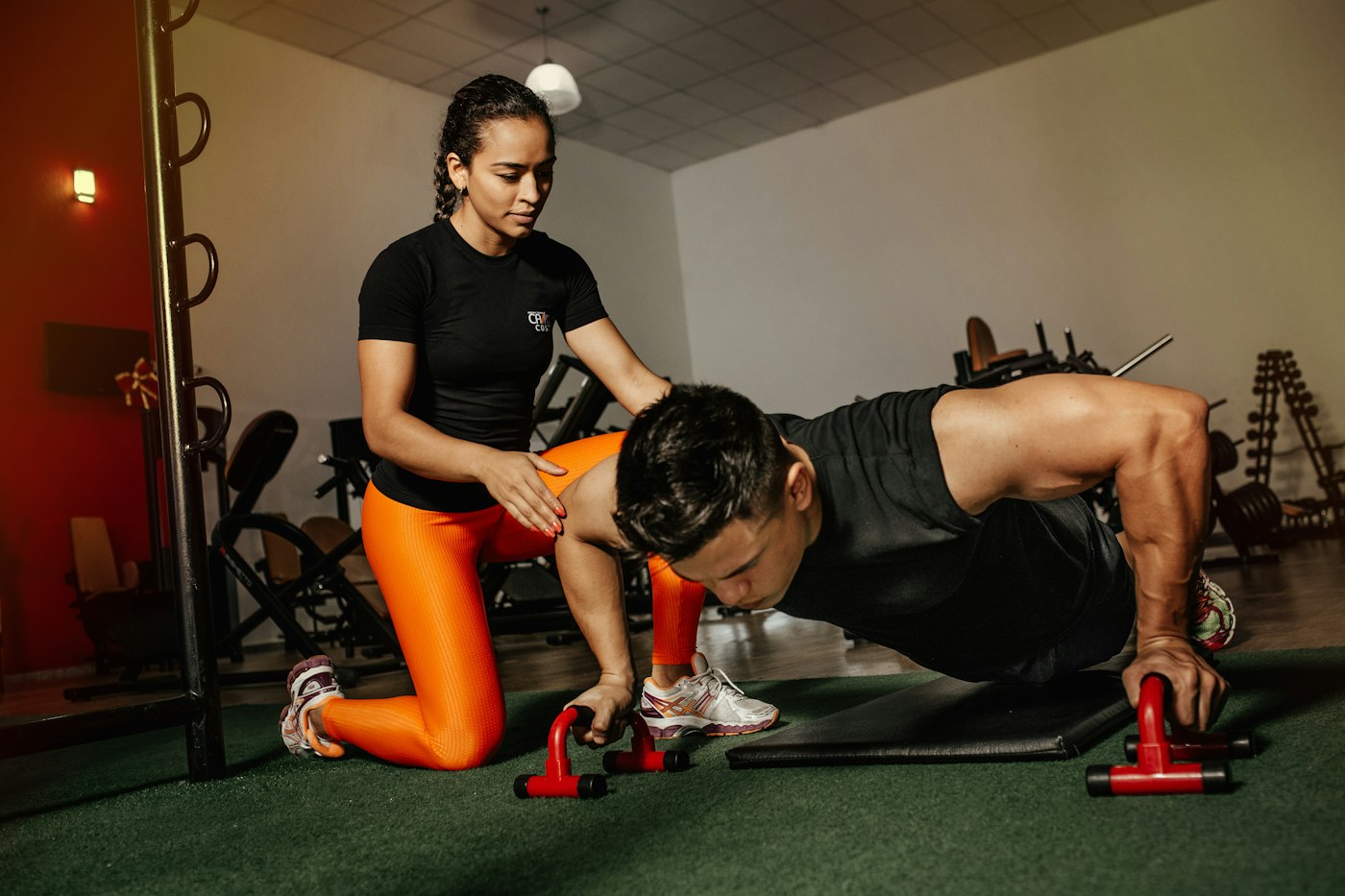
The Phuket fitness market is genuinely impressive for an island of its size. Between the Muay Thai camps of Chalong, the CrossFit boxes and yoga studios scattered from Rawai to Bang Tao, the resort fitness centres employing qualified trainers, and a health-conscious expat community that takes its training seriously — there is a real market here for good personal trainers. I know PTs in Bang Tao charging THB 3,500 per session with waiting lists. I also know trainers who thought they could rock up and find walk-in clients on the beach within a week. The honest truth is somewhere in the middle.
What makes it work is legal status, a genuine client pipeline, and the right business structure. Here is the guide.
Key Facts at a Glance
- Work requirement: Work permit mandatory — no instructing on tourist visa
- Standard route: Employment with a gym or resort (they sponsor your permit)
- Independent route: Thai company (49% foreign) + director work permit
- Rate range: THB 800–8,000/session depending on client type and location
- Best areas: Bang Tao (premium), Rawai/Chalong (fitness community), Phuket Town (corporate)
- Revenue booster: Online coaching for overseas clients alongside on-island sessions
Work Permits: The Non-Negotiable Foundation
Personal training is classified as skilled work under Thai labour law. You cannot instruct clients — even a single free session — on a tourist visa. This is enforced more actively in Phuket's fitness sector than in many other industries because the gyms themselves are increasingly compliant and resort HR departments are stringent. Work permit violations carry fines of THB 5,000–50,000 and can result in deportation and entry bans.
Route 1: Employment with a Gym or Resort
The simplest path. An established gym or resort employs you as 'fitness instructor' or 'personal trainer', sponsors your Non-B visa, and handles the work permit application through the Department of Employment in Phuket Town. Your employer's legal team manages the application — you provide: your passport, educational certificates, fitness certifications (NASM/ACE/ISSA or equivalent), a clean criminal background check, and health check from Vachira Hospital or Bangkok Hospital Phuket. Timeline: 3–6 weeks from complete application. Cost: borne by employer in most cases (or deducted from first salary — negotiate this upfront). See our Phuket work permit guide for the full process.
Route 2: Own Company + Director Work Permit
If you want to operate independently from day one, register a Thai company (Thai-majority, 51%+ Thai ownership as required by the FBA for fitness service businesses) and apply for a work permit as company director. This gives you maximum flexibility — set your own rates, choose your clients, work from any facility — but it costs more upfront (company registration: THB 15,000–30,000; work permit annual renewal: THB 15,000–25,000 including lawyer fees) and takes longer to establish. The company also needs demonstrable income and proper bookkeeping from day one. This route makes sense if you plan to employ other trainers or build a training brand, not just for solo PT work.
Route 3: Gym Facility Partnership (Independent + Sponsored)
A hybrid model that works well in Phuket: a gym employs you part-time as a contractor (for the work permit), while also permitting you to take independent clients at the facility during off-peak hours. You pay the gym a monthly access fee (THB 5,000–15,000) or a percentage of your independent revenue (15–25%). You keep the majority of your client fees. The gym gets a legitimate trainer on their floor and a facility access fee. This is the dominant model among the higher-earning independent PTs in Phuket's Bang Tao and Rawai areas.
Rates and Revenue: What You Can Realistically Earn
| Client Type | Location | Typical Rate | Notes |
|---|---|---|---|
| Thai locals / budget expats | Any area | THB 800–1,500/session | High volume, lower yield per session |
| Regular expats (mid-market) | Rawai, Chalong, Phuket Town | THB 1,500–3,000/session | Core sustainable client base |
| Premium expats / villa residents | Bang Tao, Kamala, Surin | THB 3,000–5,500/session | Best client LTV; package deals common |
| Resort guests (hotel facility) | Resort-based | THB 2,500–4,000/session | Booked through hotel; resort takes commission |
| Villa training (private) | Bang Tao luxury villas | THB 4,000–8,000/session | Highest rate; requires strong referral network |
| Online coaching (overseas) | Remote | USD 100–350/month | Seasonal revenue buffer; scalable |
A realistic sustainable income for an established independent PT in Phuket's premium market: 15–20 on-island sessions per week at an average of THB 3,000/session = THB 45,000–60,000/week, THB 180,000–240,000/month gross before facility fees, work permit costs, and tax. After costs: THB 130,000–180,000/month is achievable for an experienced trainer with a solid client base. This takes 12–18 months to build from scratch. Plan your cash reserves accordingly.
Certifications: What Matters in Phuket
Thailand has no mandatory national PT certification system, but certifications matter practically because:
- Gym and resort employment requires them: No credible gym in Phuket will employ a PT without a recognised international cert. NASM CPT, ACE CPT, ISSA, and Level 3 PT Diploma (UK) are widely recognised.
- Experienced expat clients ask: A significant portion of Phuket's premium PT market consists of Western expats who were previously paying USD 150–200/session in London, Singapore, or New York. They know what a certified, experienced trainer looks like.
- Specialist certs open niches: CrossFit Level 2 (CF gymnastics, CF Olympic lifting), pre/postnatal specialisation, sport-specific conditioning, and rehabilitation/injury prevention training each open well-paying niche markets in Phuket's active community.
- First Aid and CPR: Required by most employers. Should be current (within 2 years).
Building Your Client Base in Phuket
The client pipeline question is the hardest part of building a PT business here. Phuket is not Bangkok — there are no commercial gyms with 10,000 members generating natural PT inquiry flow. Your clients come from relationships, referrals, and targeted community presence.
Instagram for Phuket PTs
Consistent Instagram with Phuket-specific content outperforms every other channel for initial inquiry generation. Before/after content, training demonstration videos shot at recognisable Phuket locations (the Bang Tao beach, a Rawai outdoor gym, the Chalong area), and authentic lifestyle content showing you live and train here. Post 4–5 times per week. Location tags and Phuket-specific hashtags (#phuketfitness, #phuketpt, #bangtaofitness) drive local discovery.
Facebook Groups
The Phuket Expat groups on Facebook are active and high-value for service referrals. Post genuinely helpful content — training tips, answers to common fitness questions — not promotional posts. Build familiarity first. When someone asks for PT recommendations in the Bang Tao Expats group, five people will tag you if you have been consistently helpful in the community for three months.
Health Insurance: Protect Yourself as a PT
You are your own biggest asset as a personal trainer. Injury sidelines your income immediately. A comprehensive health policy with Bangkok Hospital Phuket network access is not optional for a working PT. Compare plans from Cigna and Pacific Cross.
[AFFILIATE_PACIFIC_CROSS] — Get a PT health insurance quote →The Seasonal Reality
Phuket has a real high season (November–April) and a genuine low season (May–October). For PT businesses, the impact is real but manageable:
- High season: Maximum client volume, resort guests add supplementary income, session rates hold firm
- Low season: Many tourist-dependent clients leave; expat community contracts; corporate/villa market more resilient
- Mitigation strategy: Build your client base in the expat long-stay community (more stable than tourist base) and develop online coaching revenue that is not seasonally dependent
The best Phuket PTs treat the low season as the opportunity to build: deepen client relationships, develop new programming, build online content, and take the continuing education they do not have time for during high season. Plan for 30–40% lower session volume in July and August and price accordingly. See the best time to move to Phuket guide for the seasonal rhythm context.
Frequently Asked Questions
Can a foreigner work as a personal trainer in Phuket legally?
Yes, with a valid work permit specifying 'fitness instructor' or 'personal trainer'. You cannot instruct clients on a tourist visa — this is enforced. The two main routes are gym/resort employment (they sponsor your permit) or operating your own Thai company with a director work permit.
How much can a personal trainer charge in Phuket?
THB 800–8,000/session depending on client type and location. Premium Bang Tao villa/expat clients: THB 3,000–5,500/session. Online coaching adds USD 100–350/month per client. Realistic monthly income for an established PT: THB 130,000–180,000 net.
Is it better to work through a gym or independently as a PT in Phuket?
A gym partnership model is the sweet spot — gym sponsors your work permit and provides facility access; you keep most of your client fees minus a monthly facility fee of THB 5,000–15,000. Pure employment limits your earning ceiling; pure independence is more complex to set up legally.
What certifications do personal trainers need to work in Phuket?
No mandatory Thai certification exists, but NASM, ACE, ISSA, or UK Level 3 PT Diploma are required by credible gyms and expected by experienced expat clients. First Aid/CPR must be current. Specialist certs (CrossFit L2, pre/postnatal, sports rehab) open premium niche markets.
What are the best areas in Phuket to build a personal training client base?
Bang Tao and Kamala for premium clients (THB 3,000–8,000/session). Rawai and Chalong for the fitness-focused expat community. Phuket Town for corporate and professional clients. Avoid building your entire base in tourist-dependent Patong.
How do I market a personal training business in Phuket?
Instagram with Phuket-specific content, Facebook expat groups (help first, promote later), word of mouth, and hotel/villa concierge referral agreements. Corporate fitness contracts with Bang Tao office-based companies are an emerging market worth pursuing.
Need Help Setting Up Your PT Business Legally in Phuket?
Work permit route, company structure, gym partnership agreements — our network includes professionals who have done exactly this in Phuket. Get personalised guidance.
Book a free consultation →