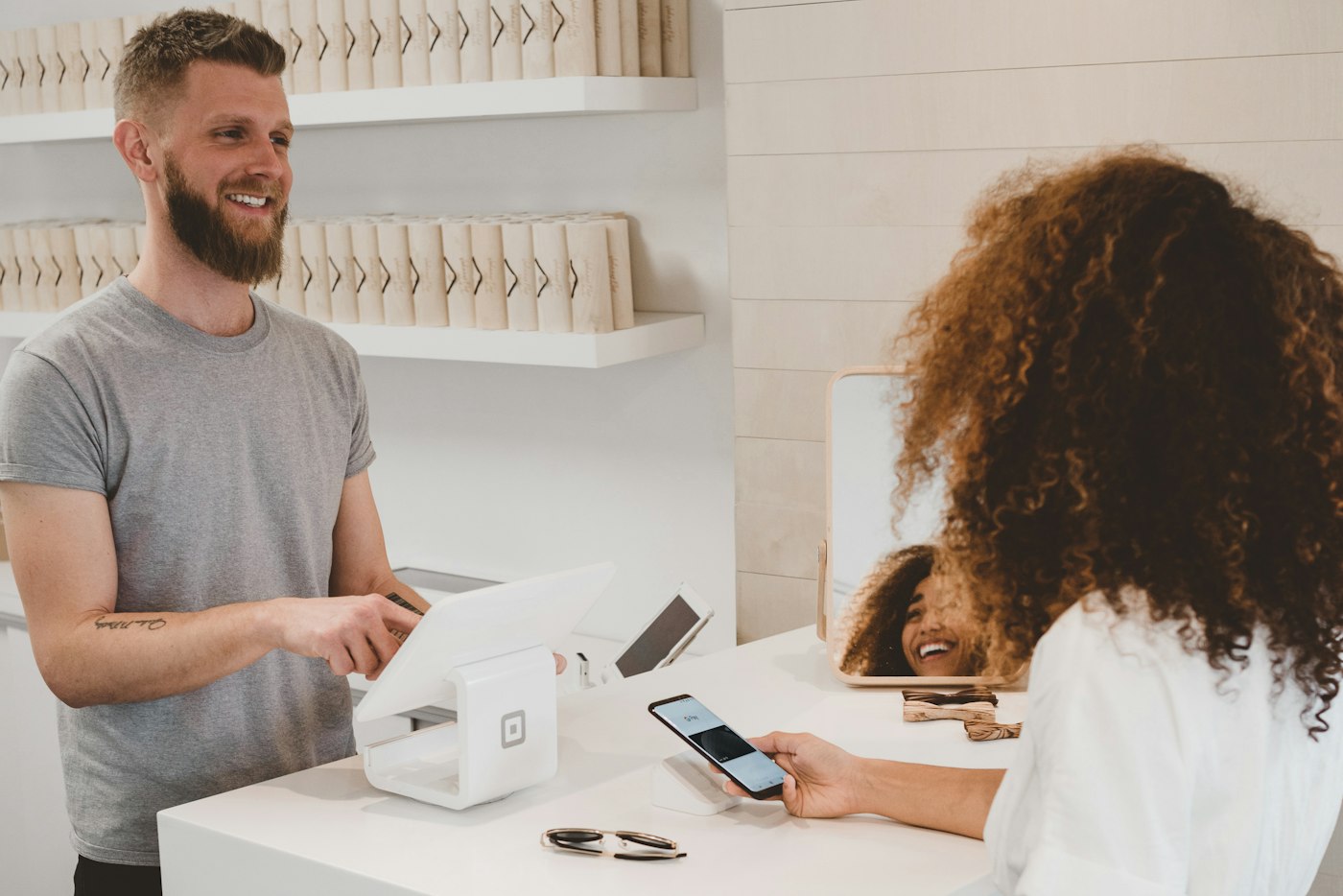
Phuket has an underappreciated advantage as an online retail base: it sits at the centre of excellent Thai manufacturing and sourcing networks, it has functioning international shipping infrastructure, and its established expat community includes a disproportionate number of people who have already built successful e-commerce businesses and are happy to share what works. Add a cost of living that makes bootstrapping genuinely viable, and the island is a legitimate choice for e-commerce entrepreneurs.
The models range from local Lazada/Shopee sellers to international Amazon FBA and Etsy operations to fully direct-to-consumer branded stores. Each has different legal requirements, different platform economics, and different operational realities. This guide covers the full picture.
Key Facts at a Glance
- Selling to Thai customers: Thai-majority company required (FBA restriction on retail)
- Selling internationally only: LTR Remote Worker visa viable; Thai company optional
- Thai platform commissions: Lazada 2–8%, Shopee 2–8% by category
- VAT threshold: THB 1.8 million annual turnover triggers mandatory VAT registration
- Best payment tool: Wise (for international marketplaces) + Bangkok Bank (local)
- Phuket shipping strengths: Thai Post EMS, DHL, Kerry Express all available
The Legal Framework: FBA and Your Business Structure
Thailand's Foreign Business Act classifies retail trade as a restricted category for foreign nationals. This has practical implications depending on who your customers are.
Selling to Thai Customers on Thai Platforms
If you are listing products on Lazada TH, Shopee TH, or your own Thai-language online store targeting Thai customers, you are operating a retail business in Thailand. The FBA restriction applies: you need a Thai-majority company with Thai nationals holding 51%+ of shares, and you as the foreign operator hold up to 49% with a work permit as company director. This is the standard structure for most expat-operated Thai e-commerce businesses and is well-trodden legal ground. See our Phuket company registration guide for the full process and costs.
Selling to International Customers Only
If you run an Etsy shop selling Thai handmade goods to buyers in the US and Europe, or an Amazon FBA business with products stored in international fulfilment centres, the regulatory picture is different. Your business activity is directed at overseas markets. In this case, the LTR Remote Worker visa provides a clean legal basis to live and work in Thailand on your overseas business, without necessarily needing a Thai company or work permit. However, if you are physically handling, packing, and shipping goods from Phuket, a Thai company may still be appropriate to properly account for that activity.
Platform Comparison: Where to Sell in Thailand
| Platform | Market | Commission | Best For |
|---|---|---|---|
| Lazada TH | Thai domestic | 2–8% by category | High-volume everyday products; electronics; fashion |
| Shopee TH | Thai domestic | 2–8% by category | Small/craft businesses; lower price point; social-commerce feel |
| Etsy | International (US/EU dominant) | 6.5% + listing fees | Handmade goods, artisan items, Thai-sourced crafts |
| Amazon FBA | International | 8–15% + fulfilment fees | Private label products; volume e-commerce; brand building |
| Own store (Shopify etc) | Your audience | 2–3% payment processing only | Brand-led businesses; higher AOV; repeat customers |
Lazada vs Shopee for Phuket-Based Sellers
Both platforms have strong Thai market penetration. Lazada has historically been stronger for electronics and branded goods; Shopee has a more social, community-driven feel and is stronger for small sellers, handmade items, and fashion. In practice, you should list on both — onboarding is free and the incremental effort of maintaining both listings is modest. The Thai market on both platforms is competitive in commoditised categories; differentiation through product quality, story, and photography is essential.
Sourcing Products from Phuket
Phuket's product sourcing strengths are specific but real:
Thai Artisan and Handicraft Products
Phuket Town's weekend market and the Bo Put market area, Kamala's community craft suppliers, and the network of Phuket-based artisans producing batik, silver jewellery, ceramics, woodwork, and silk goods provide a strong supply chain for sellers targeting the international artisan market on Etsy and Amazon Handmade. The challenge is scale — artisan production is limited by definition. Many Phuket-based Etsy sellers source from Bangkok's Chatuchak wholesale market (weekend trip) or the Chiang Mai handicraft export network, shipping back to Phuket for onward fulfilment.
Health, Beauty, and Wellness Products
Thailand has a sophisticated OEM and white-label manufacturing ecosystem for health and beauty products. Several contract manufacturers in Samut Prakan and Chachoengsao (near Bangkok) produce cosmetics, supplements, and wellness products to international standards. Phuket-based sellers have successfully built private-label health and beauty brands sourced from these manufacturers and sold on Shopee TH and internationally. MOQs (minimum order quantities) are typically 200–500 units for white-label products; lower for some commodity lines.
Beach and Water Sports Accessories
Phuket's natural product niche. Board shorts, rash guards, snorkelling accessories, beach bags — there is a concentration of manufacturers in Thailand (and accessible import routes from Guangdong) for this category, and Phuket-based sellers have a genuine authority story. Strong on both domestic Shopee and international Amazon in relevant categories.
Shipping from Phuket: The Practical Reality
Shipping from an island adds logistics complexity that mainland Bangkok sellers do not face. The practical options for Phuket-based e-commerce sellers:
Domestic Thai Shipping
Kerry Express and J&T Express both have collection services and drop-off points throughout Phuket — Phuket Town has multiple drop-off locations for both carriers. For domestic Shopee and Lazada orders, both carriers are fully integrated with the platforms and labels print automatically. Next-day delivery to Bangkok from Phuket is standard. Cost: THB 40–80 per parcel depending on weight.
International Shipping
Thailand Post EMS from Phuket Post Office (near the Phuket Town city hall) is reliable and cost-effective for parcels under 2kg — tracking is included and delivery to Europe/US runs 5–10 business days. For higher-value items or time-sensitive shipments, DHL and FedEx both have Phuket agents. DHL's main office is in Phuket Town; FedEx uses third-party agents. Budget approximately THB 800–1,500 for a 1kg parcel to Europe via EMS; THB 2,500–5,000 via DHL/FedEx.
Collect International Marketplace Payouts at Near-Zero Fees
Etsy pays USD, Amazon pays USD or GBP — getting those to your Thai bank account through a traditional wire costs 2–4%. Wise cuts that to under 1%. Essential for any Phuket-based seller working with international marketplaces.
[AFFILIATE_WISE] — Open Wise for your e-commerce business →VAT and Thai Tax for Online Sellers
Once your Thai business turnover exceeds THB 1.8 million per year (approximately THB 150,000/month), you must register for Thai VAT at 7%. VAT registration has benefits too — you can reclaim input VAT on your business purchases, including stock, packaging, and business services. For export sales (goods shipped to overseas customers), the VAT rate is zero — you do not charge Thai VAT on international sales but you can still reclaim input VAT on the relevant costs.
Income tax on business profits is separate: Thai company profits are taxed at 20% corporate income tax rate. See our Phuket tax and accounting guide for the full personal income tax and corporate tax picture, and find a recommended accountant via the Phuket accountants guide.
Building Your E-commerce Operation from Phuket
The operational advantages Phuket provides to e-commerce businesses are real: your cost base is lower than a comparable operation in the UK, US, or Australia; you have access to Thai manufacturing and sourcing networks; and the lifestyle quality means you can work at this long-term without burning out. The challenges are also real: Bangkok-based logistics are faster and cheaper than island logistics; your Thai-speaking ability affects how well you can negotiate with local suppliers; and the island's tourist economics mean premium pricing expectations can distort what Thai suppliers are willing to charge a foreigner.
The most successful Phuket-based e-commerce operators treat the island as an excellent base for building an international business — not as the source of some magic competitive advantage. The competitive advantage comes from your product differentiation, brand story, and operational efficiency, not from geography alone. Link that strategy to your working in Phuket hub resources and the relocation checklist to make sure your foundations are solid.
Frequently Asked Questions
Can a foreigner operate an online retail business from Phuket legally?
Yes. For Thai-customer sales (Lazada TH/Shopee TH): Thai-majority company structure required. For purely international sales (Etsy/Amazon): LTR Remote Worker visa is a clean legal basis for operating from Thailand without a Thai company, though professional advice on your specific model is recommended.
How do I register as a seller on Lazada Thailand or Shopee Thailand?
Free registration with passport or Thai ID plus a Thai bank account. Business seller accounts (more features, better trust ratings) require a registered Thai company. Both platforms have English-language merchant portals and commission of 2–8% by category.
What products sell well on Lazada and Shopee from a Phuket base?
Thai handicrafts and artisan goods, health and beauty, beach and water sports accessories. Competing on price with Chinese-sourced commodities is difficult — differentiate through quality, local sourcing story, or premium positioning.
How do I ship products internationally from Phuket?
Thailand Post EMS (reliable, 5–10 days to Europe/US, THB 800–1,500 per kg) or DHL/FedEx for speed and higher-value items (THB 2,500–5,000 per kg). Kerry Express and J&T for domestic Thailand orders.
Do I need to charge Thai VAT when selling online from Phuket?
Only once annual turnover exceeds THB 1.8 million. Export sales to overseas customers are zero-rated. VAT registration also allows you to reclaim input VAT on business purchases.
Can I run an Etsy or Amazon FBA business from Phuket?
Yes — many Phuket expats successfully run both. The LTR visa works well for international-only businesses. You need Wise or Payoneer to efficiently collect USD/EUR marketplace payouts and convert to THB.
Need Help Structuring Your Phuket Online Retail Business?
FBA structure, VAT registration, marketplace onboarding — our team can point you in the right direction. First question is free.
Ask us your question →