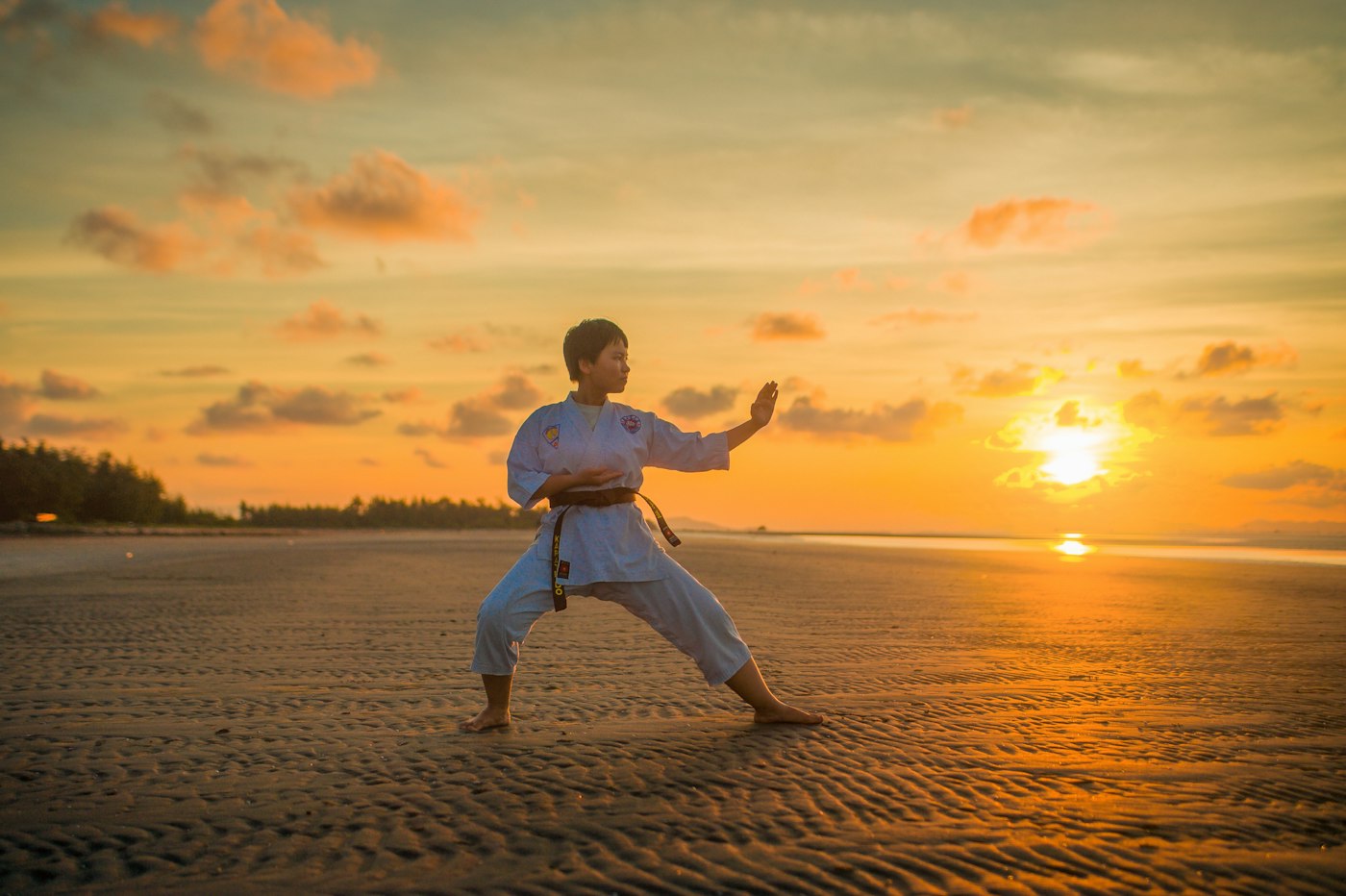
Phuket is one of the best places on earth to train Muay Thai — serious camps, Thai trainers who've actually fought, and you can be sparring in the afternoon and on the beach by 6pm. After six years here I've trained at or visited most of the main gyms. Here's what I actually know.
Why Phuket Is a Global Muay Thai Hub
Muay Thai didn't arrive in Phuket as a tourist gimmick — it's been the sport of the island's working-class youth for generations. What changed in the 2000s and 2010s was the influx of international fighters and expats who recognised what the locals already knew: Phuket has excellent trainers, affordable training costs, and a year-round tropical climate that makes outdoor training actually enjoyable.
Today Phuket has somewhere between 60 and 80 active Muay Thai gyms, ranging from serious professional fight camps where Thai national champions train, through to boutique fitness studios offering cardio kickboxing with Muay Thai branding. Knowing the difference matters — and the difference is usually visible in the first five minutes on the mat.
The main training corridors are Chalong (highest concentration of serious camps), Rawai/Nai Harn (neighbourhood gyms with a community feel), Kamala (mid-range, popular with long-term expats on the west coast), and Bang Tao/Laguna (more tourist-oriented, good for fitness, less serious about competitive fighting).
The Best Muay Thai Gyms in Phuket for Expats
These are the gyms I'd point a serious expat toward — ones with qualified Thai trainers, structured programs, and a track record of producing actual fighters:
Tiger Muay Thai — Chalong
The biggest name in Phuket Muay Thai, and for good reason. Tiger runs multiple Muay Thai classes per day, world-class Thai trainers, an MMA program, and a huge expat community. Monthly unlimited Muay Thai: around 9,500 THB. Day pass: 500 THB. It can feel overwhelming when full, but the quality of instruction is consistently high. On-site and nearby accommodation available.
Dragon Muay Thai — Chalong
Smaller and more personal than Tiger, Dragon is the gym serious fighters quietly recommend. Head trainer Kru Piak has trained multiple national champions. Classes max at around 15 people, pads are never rushed, and the feedback is genuinely useful. Monthly: 7,500–9,000 THB. If you want to fight, this is one of the first places I'd send you.
Sitsongpeenong Phuket — Near Chalong Circle
A satellite of the famous Bangkok camp, Sitsongpeenong brings professional-level coaching to Phuket. Training is rigorous and structured around the traditional Muay Thai curriculum. All-inclusive accommodation packages feature twice-daily training, meals, and fight prep. Not for casual workouts — this is proper camp life.
Rawai Muay Thai — Rawai
A genuine neighbourhood gym that's been in Rawai for over fifteen years. The trainers are ex-fighters, the atmosphere is relaxed but serious, and you'll train alongside both locals and long-term expats. Monthly: 6,000–7,500 THB. Also hosts regular fight nights at the adjacent stadium — entry 200–400 THB vs. 1,500+ THB at Bangla.
Suwit Muay Thai — Chalong
One of the older established gyms on the island, Suwit has a long history of training foreign fighters and is very welcoming to beginners. Classes run morning and afternoon, and they host fights at their on-site ring several times a month. Good equipment, structured beginner program, and trainers who give real English-language coaching cues.
Patong Boxing Gym — Patong
If you're based in Patong, this is your most convenient option. The gym caters heavily to tourists, but the trainers are qualified and the pad work is legitimate. Better for fitness training than fight prep. Day passes 450 THB, weekly packages available.
Muay Thai Training Costs in Phuket — 2026
| Training Type | Cost (THB) | Notes |
|---|---|---|
| Day pass (group class) | 300–600 | Gloves/wraps loan included at most gyms |
| Monthly unlimited (group) | 6,000–12,000 | 2× daily sessions at serious camps |
| Private session (1hr) | 800–1,500 | 1-on-1 with trainer, pads-focused |
| Fight camp package (monthly) | 20,000–35,000 | Includes accommodation + training + meals |
| 10-class card | 3,500–5,000 | Good for irregular schedules |
| Equipment set (buy your own) | 2,000–4,500 | Gloves, wraps, shin guards, mouthguard |
Most gyms provide loaner gloves and wraps, but if you're training more than twice a week it's worth buying your own. Decent Muay Thai gloves — Thai brands like Twins or Fairtex, made in Thailand — cost 1,200–2,200 THB at shops near Tiger Muay Thai or in Chalong town.
What to Expect: A Typical Training Session
A standard group session runs 90 minutes to 2 hours. The structure at most serious gyms:
- Warm-up (15–20 min): Jump rope, shadow boxing, dynamic stretches. In Phuket's heat this gets sweaty fast — morning sessions (7am–9am) are far more bearable than afternoon (4pm–6pm).
- Bag work (20–30 min): Combinations, kicks, knees. Trainers rotate giving individual corrections.
- Pad work (30 min): The core of the session. You work with a trainer who calls combinations and corrects technique. This is what you're paying for.
- Clinch/sparring (10–20 min): Usually optional for beginners. At serious gyms, controlled sparring with headgear and shin guards is standard for intermediate students.
- Cool-down/stretching (10 min): Always do this — your hips will thank you in week two.
Fighting: Your First Phuket Muay Thai Bout
Phuket has three active fight venues regularly featuring expat bouts: Patong Boxing Stadium (on Rat-U-Thit Road, tourist-friendly), Bangla Boxing Stadium (higher production, higher ticket prices at 1,500+ THB), and Rawai Muay Thai stadium (authentic, cheap at 200–400 THB entry, local atmosphere — my personal favourite for a Friday night).
If you want to fight: tell your trainer from week one. Most serious gyms require 3–6 months of dedicated training before putting you in the ring. You'll need a basic medical clearance (easily done at Bangkok Hospital Phuket for around 500 THB) and your trainer's sign-off on readiness. White-collar and amateur divisions mean appropriate matching by weight and experience.
Training Hard? Get Your Health Insurance Sorted
Sports injuries happen — make sure your Phuket health cover includes Muay Thai training and emergency care at Bangkok Hospital Phuket or Siriroj.
Practical Tips From Six Years of Watching Expats Train
Train in the morning. Afternoon sessions in Phuket's heat are brutal. The best Thai fighters train at 7am for a reason. Your cardio will feel two levels better in the early session.
Don't skip the conditioning. Newcomers fixate on technique and neglect the conditioning side — the running, the core work, the clinch strength. The conditioned fighter always wins the later rounds.
Eat near the gym. Chalong and Rawai both have excellent cheap Thai food within walking distance of every major gym. A full meal at a local shophouse costs 60–120 THB.
Get insurance that covers sports. A standard expat health policy may exclude Muay Thai injuries (torn cartilage, fractures, dental). Check your policy before you start training — see our Phuket health insurance comparison for plans that cover sports.
Respect the wai kru. The ceremonial bow before sparring and fights isn't optional theatre — it's a genuine part of the martial art. Thai trainers notice and appreciate students who take it seriously.
Not sure which gym suits your level and budget? We've helped dozens of expats find the right fit.
Ask Us Free — Get Personal Advice →Related Sport & Fitness Guides for Phuket Expats
Muay Thai is just one of Phuket's incredible sport options. If you're building a well-rounded fitness routine, see our guides to the best gyms in Phuket, yoga studios and retreats, running clubs and routes, cycling in Phuket, and CrossFit and functional fitness gyms. For the full picture of expat life, browse the lifestyle hub or the complete expat start-here guide.