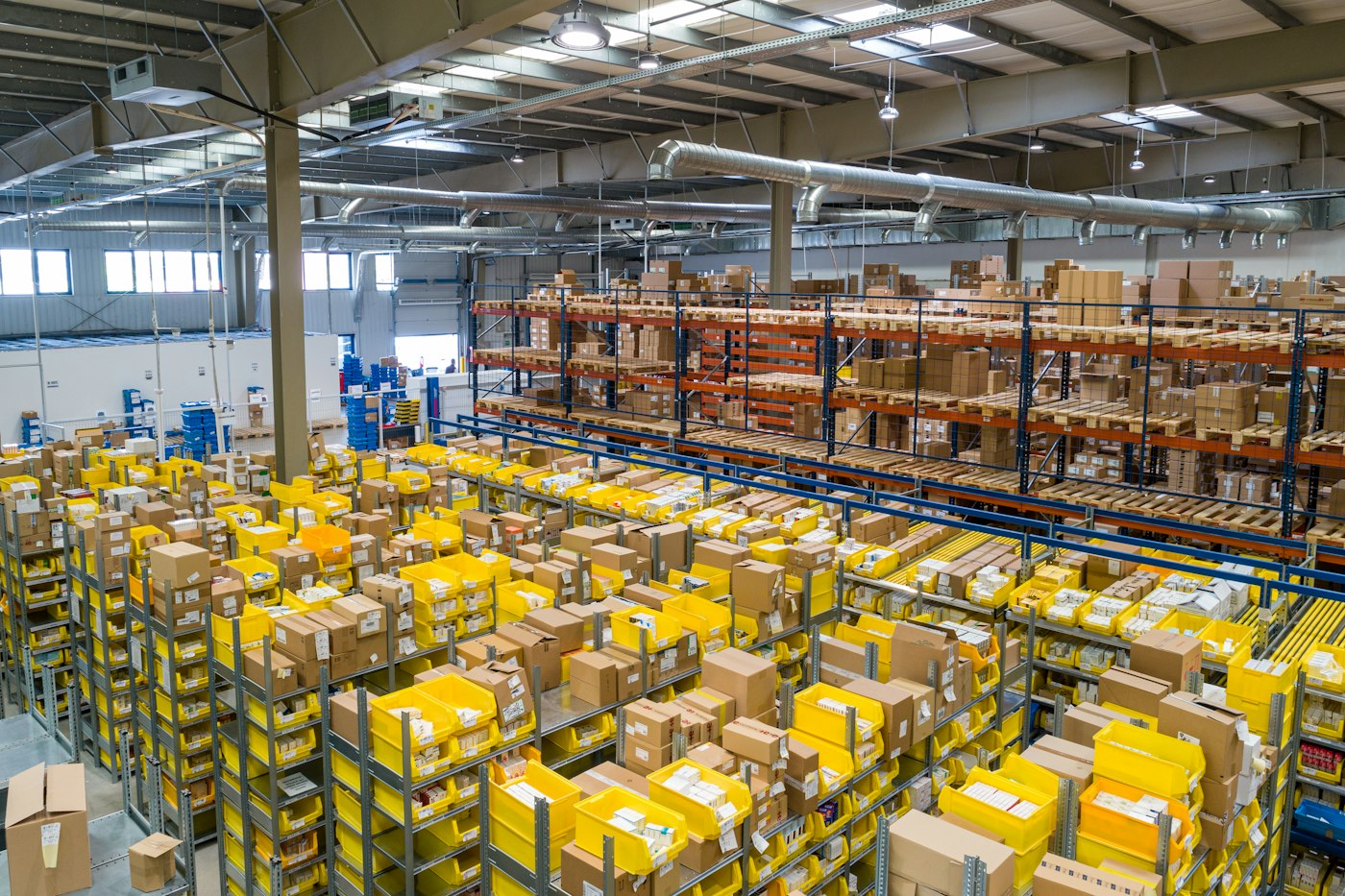
A friend of mine spent 3 months importing restaurant equipment from China for his Rawai eatery. He used a Bangkok-based shipping agent, the equipment came through Rassada Port, and the customs duty calculation came back 40% higher than he expected. The problem? Wrong HS code. The agent had mis-classified commercial kitchen equipment under a higher-duty category. By the time it was corrected, his opening was delayed by 6 weeks.
Phuket's import and export landscape is more active than most people realise. Villa renovation materials, restaurant equipment, dive gear, retail merchandise, handmade products for overseas export — plenty of Phuket-based businesses are moving goods across borders. Thai customs isn't the most opaque system in Southeast Asia, but it rewards preparation and punishes assumptions.
Phuket Customs & Trade — Key Facts 2026
- Main port: Rassada Port, Phuket Town (commercial cargo)
- Air freight: Phuket International Airport cargo terminal
- De minimis threshold: 1,500 THB CIF — below this, duty-free for most goods
- VAT on imports: 7% (applied on CIF + duty value)
- Customs broker fee: 3,000–8,000 THB per shipment
- Online customs portal: customs.go.th (e-Customs system)
- ASEAN FTA reduces duties to 0–5% for goods from ASEAN member states
The Phuket Insider — For Phuket Business Owners
Customs updates, trade news, and practical business intelligence for Phuket expat entrepreneurs. Join 5,000+ expats — get our free weekly Phuket insider tips.
Phuket's Import Infrastructure: Rassada Port and the Airport
Unlike Bangkok, Phuket doesn't have a deep-water container port capable of receiving large vessels directly. Most commercial cargo arrives in Phuket via Rassada Port — a smaller port near Phuket Town that handles ferry traffic to the Phi Phi Islands and smaller cargo vessels, plus break-bulk and Ro-Ro (roll-on/roll-off) freight. Large containerised shipments typically come via Laem Chabang Port (Bangkok area) and are then trucked to Phuket — adding 1–3 days to transit time and approximately 8,000–15,000 THB in additional inland freight costs for a 20ft container.
Air freight through Phuket International Airport is efficient for smaller, time-sensitive, or high-value shipments. The cargo terminal on the airport's north side handles FedEx, DHL, TNT, and general cargo with its own customs clearance facility.
Import Duties: How They're Calculated
Thai import duties are calculated on the CIF value — the cost of goods plus insurance plus freight to the Thai port of entry. The duty rate depends on the product's HS (Harmonized System) tariff code. VAT (7%) is then applied to the CIF value plus the import duty.
Total landed cost formula:
- CIF value: 100,000 THB
- Import duty (e.g. 20% for furniture): 20,000 THB
- VAT base: 120,000 THB
- VAT (7%): 8,400 THB
- Total duties and taxes: 28,400 THB on a 100,000 THB shipment
Common Duty Rates for Phuket Business Imports
| Product Category | Typical Duty Rate | ASEAN Rate | Notes |
|---|---|---|---|
| Electronics / computers | 0–5% | 0% | Many ITA signatory items at 0% |
| Restaurant equipment | 0–5% | 0% | Commercial kitchen: usually 0–3% |
| Furniture | 10–20% | 0–5% | Varies significantly by material |
| Clothing / textiles | 10–30% | 0–5% | Highest for finished garments |
| Dive / marine equipment | 0–10% | 0% | Tanks, regulators often 0% |
| Construction materials | 0–10% | 0% | Tiles, fixtures vary by HS code |
| Vehicles | 80% | 0–40% | Very high — most vehicles assembled in Thailand |
| Food / beverages | 10–60% | 0–10% | Plus FDA permit for commercial quantities |
| Cosmetics / personal care | 10–30% | 0–5% | FDA registration required commercially |
| Books / printed material | 0% | 0% | Duty-free universally |
HS code classification matters enormously. The difference between "kitchen equipment for commercial use" (Chapter 84 — often 0–3% duty) and "household appliances" (Chapter 85 — can be 10–20%) can be thousands of baht on a single shipment. A good customs broker will classify your goods correctly and may save far more than their fee.
Free Trade Agreements That Benefit Phuket Importers
Thailand is party to several major FTAs that significantly reduce or eliminate import duties on goods from member countries. For Phuket businesses sourcing internationally, the most useful are:
- ASEAN Free Trade Area (AFTA) — zero or near-zero duties on most goods from Indonesia, Vietnam, Malaysia, Singapore, Philippines, Myanmar, Cambodia, Laos. Most common source for Phuket businesses importing furniture, food, raw materials.
- ASEAN-China FTA — covers goods from China with substantially reduced duties. Major source for electronics, furniture, restaurant equipment, and manufactured goods.
- ASEAN-India FTA — reduced duties on Indian goods. Useful for textiles, spices, some electronics.
- Thailand-Australia FTA (TAFTA) — zero duties on most goods from Australia by now.
- Thailand-Japan EPA — reduced duties on Japanese manufactured goods.
To claim FTA rates, you need a valid Certificate of Origin (CO) from the exporting country, issued by the relevant government authority. Goods without valid CO documentation are assessed at MFN (Most Favoured Nation) rates. Your customs broker handles CO verification at clearance.
Using a Customs Broker in Phuket
A licensed customs broker (ตัวแทนออกของ) is your key partner for any commercial import or export. They handle customs declarations, document preparation, duty calculations, and physical clearance at the port or airport. They also manage any queries from customs officers — which is particularly valuable when your goods fall into a grey area of classification.
What to Expect from a Phuket Customs Broker
- Pre-shipment HS code verification (confirm before goods are shipped)
- Import/export declaration preparation and submission via e-Customs
- Liaison with Phuket Customs officers for any holds or queries
- Duty and VAT calculation and payment
- Cargo release coordination with the shipping line or airline
Fees
Standard customs clearance fee for a commercial import: 3,000–8,000 THB per shipment (excluding duties and taxes). Air freight clearance is typically 2,500–5,000 THB. Some brokers work on a percentage basis (1–3% of shipment value) for high-value goods. Always agree fees in advance in writing.
Several Phuket customs brokers have relationships with specific shipping lines and may push you toward their preferred carriers. Get freight quotes independently from 2–3 forwarders (DHL, FedEx, local Phuket freight forwarders like Schenker, Panalpina/DSV) before committing to a shipment. The broker's primary value is customs clearance expertise — freight is a separate procurement decision.
Importing Personal Effects When Relocating to Phuket
Relocating to Phuket with your household goods? Thailand's personal effects exemption (การยกเว้นของใช้ส่วนตัว) can save significant duties on legitimate household items. Key requirements:
- Must have resided abroad for at least 1 year prior to importation
- Items must be used personal effects and household goods — not new merchandise or items intended for resale
- Goods must arrive within 6 months of your first Thai immigration entry for settlement
- All items must appear on a certified inventory list with estimated values
- You must present immigration documents showing your status and entry date
Even with the exemption, new items above a reasonable personal use quantity may be assessed. Practical advice from Phuket expats who've done this: ship electronics as used (stickers removed, clearly not factory-sealed), don't include multiple identical items (2 identical watches = trading goods to customs' eye), and use a Phuket-experienced removals company who knows the personal effects clearance process. See our guide to international removals to Phuket for recommended companies.
Setting Up a Phuket Import Business?
Company structure, customs broker selection, payment setup — our team helps Phuket expat business owners get the fundamentals right. First consultation is free.
Book a Free Consultation →Exporting from Phuket
Phuket-made or sourced goods that are exported internationally enjoy several advantages. Exports are zero-rated for Thai VAT — you don't charge VAT to your overseas customers, and you can reclaim input VAT paid on goods and services used in the production of exported goods.
How to Register as an Exporter
Register as a Thai exporter at customs.go.th (e-Customs portal). You'll need your Thai company registration number, tax ID, and a company bank account. Once registered, you can file export declarations electronically. For most standard exports (non-controlled goods), this is a relatively streamlined process.
Certificate of Origin
If your overseas buyers need a Certificate of Origin (to claim FTA benefits in their country), apply through the Department of Foreign Trade (dft.go.th) or the Thai Chamber of Commerce. Processing time: 1–3 working days. Fee: 200–500 THB per certificate. Your customs broker or freight forwarder can handle this if it's new territory for you.
What Phuket Businesses Export
The most common exports from Phuket-based businesses include handmade crafts and art (particularly from Phuket Town's artisan community), luxury villa products (custom textiles, furniture), dive and marine equipment, and digital services (which don't go through physical customs at all). Food export from Phuket (seafood, Thai sauces, packaged food) requires Thai FDA certification and often destination-country food safety clearance.
Paying International Suppliers or Receiving Export Payments?
Wise Business handles multi-currency payments for Phuket import/export businesses at real exchange rates. Pay suppliers in CNY, USD, EUR — receive in any currency. Integrates with your Thai bank account.
Open Wise Business Account →Related Guides
- Setting up an e-commerce business in Phuket — full guide
- Starting a restaurant or bar in Phuket
- VAT registration for Phuket expat businesses
- Wise multi-currency for Phuket expats
- Find an accountant in Phuket
- Complete working in Phuket guide
