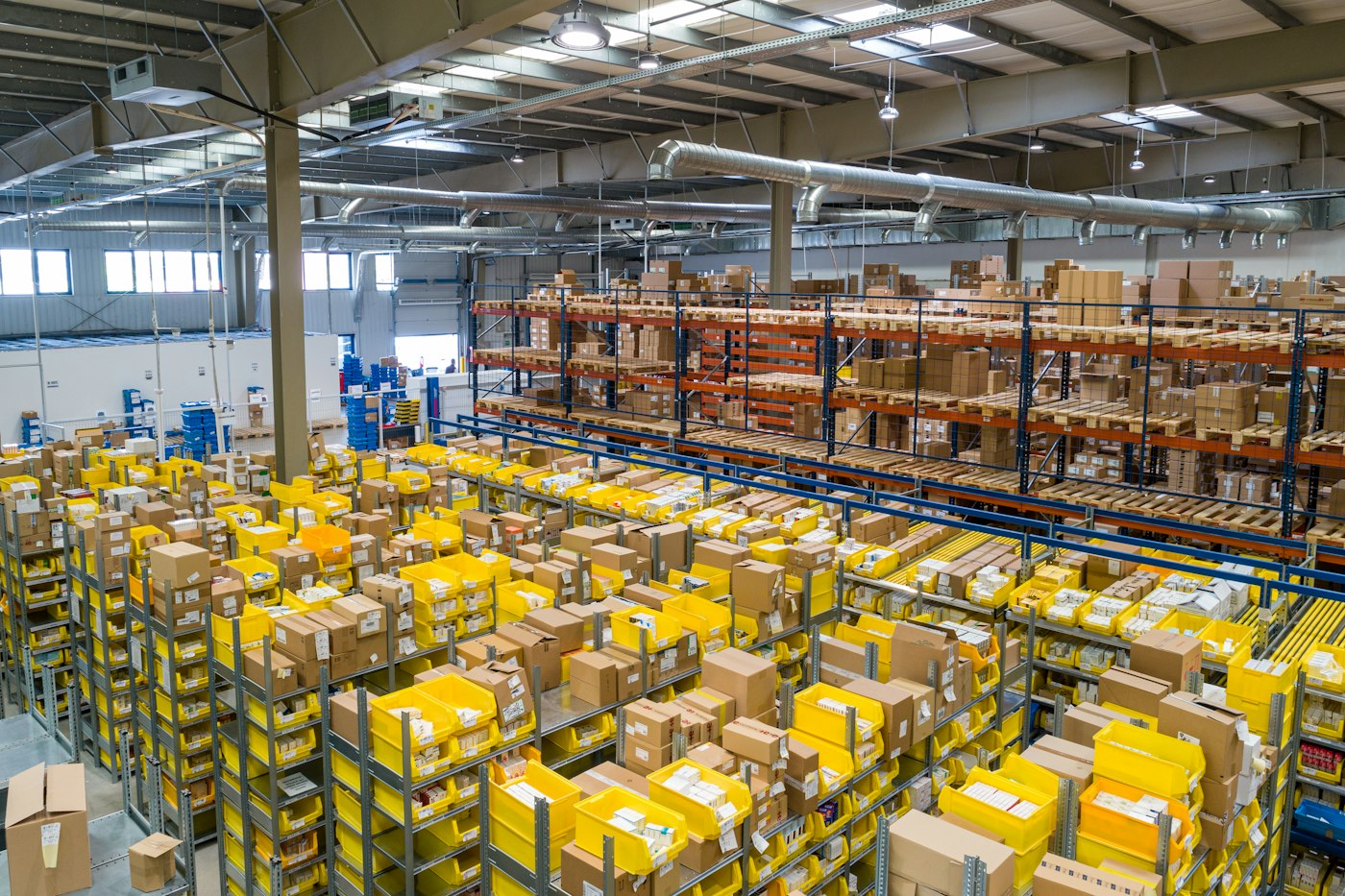
A client once told me she'd spent three months trying to import high-end kitchenware from Europe for her Phuket restaurant — only to have a container sit at Tha Rua for six weeks because she'd used the wrong HS code and hadn't pre-registered with Thai Customs. Six weeks of demurrage fees, a very angry supplier, and a restaurant opening that got pushed back twice. All avoidable.
Import and export businesses in Phuket are genuinely viable — Phuket's hotel and restaurant industry, its construction boom, its expat population demanding foreign goods, and the island's growing status as a logistics hub for Andaman tourism all create real demand. But the paperwork and regulatory layer is real too. This guide walks through exactly what you need, in the order you need it.
Key Facts: Import & Export in Phuket
- Most import/export is not FBA-restricted (100% foreign ownership possible)
- Must register as importer/exporter with Thai Customs e-system
- HS codes determine duty rates — get them right
- Some products need FDA, NBTC or other product licences
- VAT 7% on all imports (reclaimable if VAT registered)
- Customs broker recommended for all but simplest shipments
- Phuket's main customs point: Tha Rua Customs House
- Bonded warehouse option available near Tha Rua
Can a Foreigner Own a Phuket Import/Export Company?
Good news here: the import and export of most goods is not listed under Schedule 2 or Schedule 3 of Thailand's Foreign Business Act (FBA). This means that in most cases, a foreigner can own 100% of a Thai company engaged in importing goods for wholesale distribution or exporting goods produced in Thailand.
The catch — because there's always a catch — is that if you plan to sell directly to end consumers in a retail setting (running a shop, market stall, or e-commerce store targeting Thai consumers), that retail activity is FBA-restricted. Many import businesses in Phuket are structured with the import entity (100% foreign-owned) supplying a separate retail entity (Thai majority-owned or operating under a BOI exemption).
Step-by-Step: Setting Up Your Phuket Import/Export Business
Step 1: Incorporate a Thai Company
You'll need a registered Thai company (limited company — บริษัท จำกัด) before you can register with Thai Customs. If you're going for 100% foreign ownership, you'll incorporate a Foreign Business Certificate (FBC) entity or use a BOI promotion. If you have Thai shareholders, standard incorporation applies. The company registration process in Phuket typically takes 2–4 weeks and costs THB 25,000–60,000 including lawyer and DBD fees. You'll need at least THB 2 million registered capital for most import/export activities.
Step 2: Register for Tax and VAT
Register with the Revenue Department for corporate tax (within 60 days of incorporation) and for VAT if you expect annual revenue over THB 1.8 million. VAT registration is worth doing early even if you're below the threshold, as it lets you reclaim the 7% VAT paid on all imports as input tax. Your accountant — and you will need a Phuket accountant — handles the ongoing monthly VAT returns.
Step 3: Register with Thai Customs as an Importer/Exporter
This is the step most newcomers miss. You must register your company with the Thai Customs Department's e-Customs system at customs.go.th before you can file import or export declarations electronically. The registration process requires your company registration documents, director ID, tax ID, and a company seal. Allow 2–3 weeks. Once registered, you'll receive an importer/exporter ID that goes on all your customs declarations.
Step 4: Get Your HS Codes Right
The Harmonised System (HS) code is a product classification number that determines your import duty rate, VAT treatment, and whether your goods are in a restricted category. Thailand uses the ASEAN Harmonised Tariff Nomenclature (AHTN) — an 8-digit extension of the international 6-digit HS code. Getting the wrong code doesn't just cost you the correct duty — it can trigger a customs audit or cause your goods to be held. Use a licensed customs broker to verify codes before your first shipment.
Product-Specific Licences for Phuket Importers
Beyond customs registration, your products may need one or more of the following licences before they can legally enter Thailand:
| Product Category | Licence Required | Issuing Authority | Approx. Timeline |
|---|---|---|---|
| Food & beverages | FDA food import permit (อย.) | Thai Food & Drug Administration | 4–12 weeks |
| Medical devices | Medical device import licence | Thai FDA | 3–6 months |
| Pharmaceuticals | Drug import licence | Thai FDA | 6–12 months |
| Electronics & telecom | NBTC type approval | National Broadcasting & Telecom Commission | 4–8 weeks |
| Cosmetics | Cosmetic product notification | Thai FDA | 2–4 weeks |
| Vehicles | Excise Dept approval + emissions cert | Excise Dept / DIW | 6–10 weeks |
| Alcohol & tobacco | Excise Dept import licence | Excise Department | 4–8 weeks |
| Weapons & explosives | Special import permit | Ministry of Interior / MOD | Highly restricted |
Understanding Phuket's Import Duty Structure
Thailand's import duties vary enormously by product category. Under the ASEAN Free Trade Area (AFTA) and Thailand's bilateral Free Trade Agreements (FTAs), goods originating from ASEAN countries, Australia, Japan, China, South Korea, and India may attract significantly reduced or zero duty rates — but you need the correct Certificate of Origin.
Key Duty Rates to Know
As a rough guide in 2026: consumer electronics typically 0–5%, clothing and textiles 10–30%, food and beverages 5–40% (varies enormously by product), alcohol 5–54% plus excise duty, vehicles 40–80%, and raw materials for manufacturing often 0–5%. These rates can be significantly reduced under applicable FTAs. Your customs broker will calculate the exact duty applicable to your specific HS codes and country of origin.
Anti-Dumping and Safeguard Duties
On top of regular import duty, Thailand applies anti-dumping duties on certain products from specific countries. Steel products, ceramics, chemicals, and some agricultural goods have been subject to anti-dumping measures in recent years. Always check the Department of Foreign Trade (DFT) database before finalising a product sourcing strategy from low-cost markets.
Send International Business Payments Without the Bank Markup
Paying overseas suppliers from your Phuket business account? Wise Business gives you mid-market exchange rates with low transparent fees — significantly cheaper than THB wire transfers via Thai banks. Hold USD, EUR, GBP and THB in one account.
[AFFILIATE_WISE] Ask us about international business payments →Phuket's Customs Infrastructure: Practical Logistics
Tha Rua Customs House
The primary customs point for sea freight arriving in or near Phuket is Tha Rua Customs House in Phuket Town, located near the pier area. Most commercial sea freight for Phuket actually transits through Laem Chabang Port (Thailand's main commercial port near Bangkok or Eastern Seaboard), with goods then trucked to Phuket along Route 4 or Expressway 7. Small commercial vessels and ferries use Tha Rua for direct clearance.
Phuket International Airport Cargo
Air freight arrives at Phuket International Airport (HKT) cargo terminal in Thalang. For time-sensitive goods — hospitality supplies, fashion, electronics — air freight is often practical despite the cost. Customs clearance for air cargo is generally faster than sea freight, typically 1–2 business days for non-restricted goods with a complete documentation set.
Using a Customs Broker in Phuket
I'd strongly recommend using a licensed customs broker (ตัวแทนออกของ) for your first year of importing, and thereafter for any complex shipments. A good broker knows the local customs officers, can spot documentation problems before they become delays, and stays current with regulatory changes. Fees in Phuket typically range from THB 2,000–8,000 per shipment depending on complexity. Several well-regarded freight forwarders operate out of Phuket Town and can handle end-to-end logistics.
Export from Phuket: What You Need to Know
Exporting from Phuket is less complex than importing in most respects. Thailand encourages exports — there are no export duties on most goods, and VAT on exported goods is zero-rated (0%), meaning you don't charge VAT on exports and can reclaim input VAT on the goods' production costs. Key requirements for Phuket exporters include customs registration (same e-Customs system), proper export declarations, Certificates of Origin where required for FTA preferential rates, and any product-specific export restrictions (certain cultural artefacts, endangered species products, and raw materials are restricted).
Thailand's Board of Investment (BOI) offers attractive promotion packages for certain types of import/export and logistics businesses, including import duty exemptions on machinery, corporate tax holidays, and 100% foreign ownership. If your business involves manufacturing, significant logistics infrastructure, or technology-enabled trade, it's worth speaking with a BOI specialist before setting up your company structure.
Common Mistakes Phuket Importers Make
After speaking with dozens of business owners on the island, these are the errors I see most often. First, underestimating documentation lead times: FDA product approvals for food and medical products can take months — plan your product launch timeline accordingly. Second, incorrect HS code assignment: this is the single biggest cause of customs delays and unexpected duty bills. Third, not accounting for all import costs: the landed cost of imported goods in Phuket includes CIF value + import duty + VAT + customs broker fee + inland freight — which can easily add 30–50% to the ex-factory price of goods. Fourth, failure to register as an importer before the first shipment — goods cannot be cleared without an importer registration number on the customs declaration.
Need Help Structuring Your Phuket Import Business?
Our vetted directory includes customs brokers, trade lawyers, and business consultants who specialise in Phuket import/export operations. First question is free.
Ask us a question → Find a customs broker →Frequently Asked Questions
Do I need a special licence to import goods into Phuket?
Most importers need to register as an importer with Thai Customs (using the e-Customs system) and have a tax ID via the Revenue Department. Certain categories require additional product-specific licences — food and beverages need FDA approval, electronics need NBTC permits, medical devices need FDA clearance. General merchandise doesn't require a separate 'import licence' beyond customs registration and a registered Thai company.
Can a foreigner own an import/export company in Thailand?
Import and export of most goods is not on the Foreign Business Act (FBA) restricted list, meaning foreigners can own 100% of a company engaged in international trade. However, if you are selling directly to Thai consumers (retail), that is restricted. Always check the specific FBA category for your product and intended business model with a Thai lawyer.
What is the HS code system and why does it matter for Phuket importers?
The Harmonised System (HS) code is a 6-10 digit number that classifies every product traded internationally. In Thailand, Thai Customs uses HS codes to determine import duty rates, VAT treatment, and whether additional licences are required. Getting the HS code wrong can result in incorrect duty payments, delays at Phuket's Tha Rua Customs House, or goods being held for reclassification. Always verify your HS codes with a licensed customs broker.
How long does customs clearance take at Phuket port?
Routine shipments through Phuket's Tha Rua Customs checkpoint or via the land transport route from Bangkok typically clear in 1–3 business days for Green Lane (low-risk) shipments. Red Lane shipments requiring physical inspection can take 3–7 days. Air freight through Phuket International Airport customs generally clears in 1–2 days for non-restricted goods. Using a registered customs broker significantly speeds up the process.
What is VAT treatment for imported goods in Thailand?
Imported goods are subject to 7% VAT at the point of importation, calculated on the CIF value (Cost + Insurance + Freight) plus import duty. If you are VAT-registered in Thailand, you can reclaim this input VAT against your VAT output on sales. Businesses with annual revenue over THB 1.8 million are required to register for VAT; smaller importers may register voluntarily.
Do I need a bonded warehouse in Phuket for my import business?
A bonded warehouse allows you to store imported goods without paying duty until the goods leave the warehouse for sale or use. This can be beneficial if you are re-exporting goods or need to manage cash flow on large inventory. Phuket has several licensed bonded warehouse facilities near Tha Rua and in the industrial areas off Route 402. The cost is typically THB 8,000–25,000/month depending on size and services.
