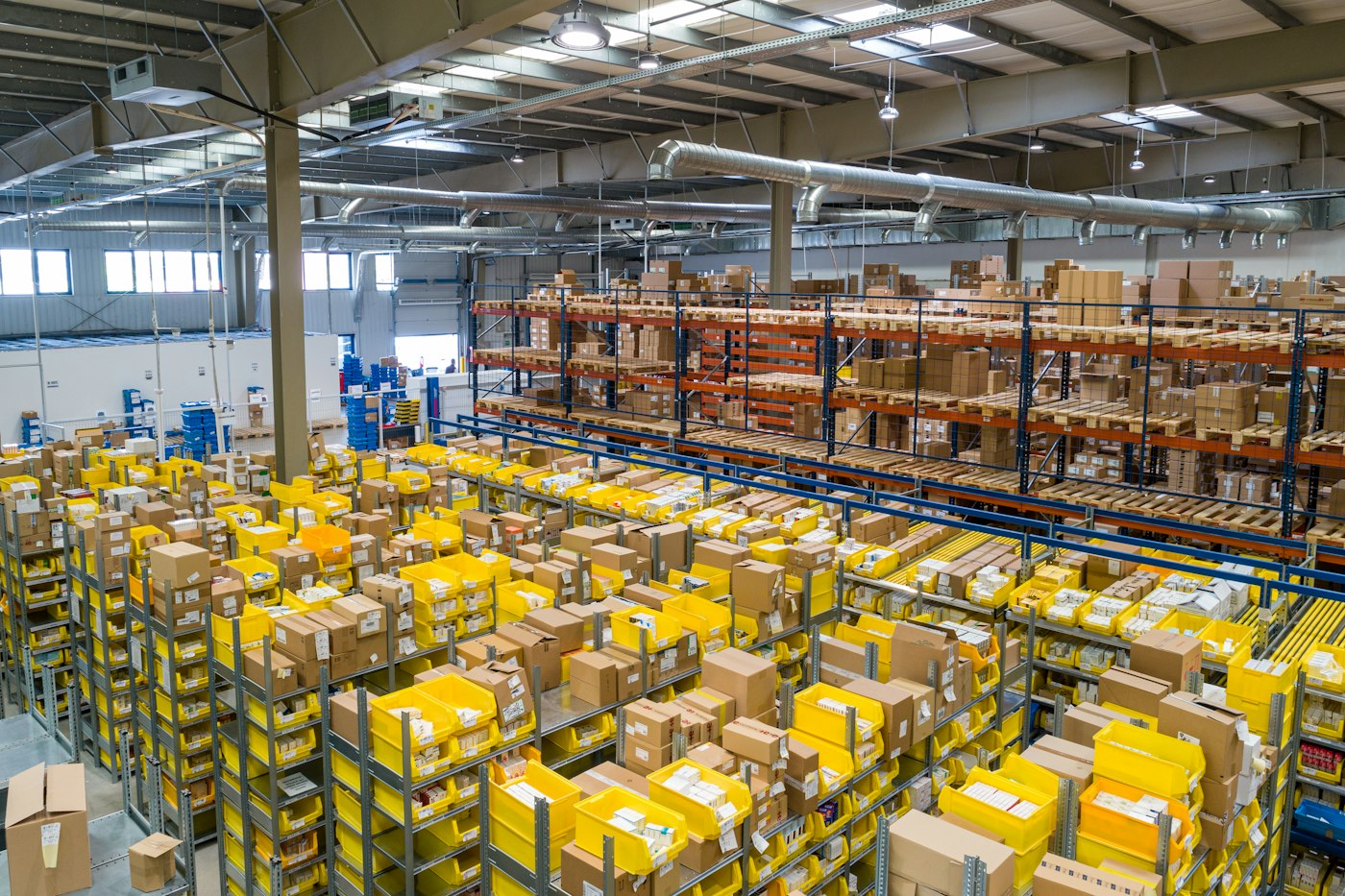
Running an import/export business from Phuket is genuinely viable — but the realistic picture looks quite different from what most people imagine when they arrive. Phuket is not a major trading port. Bangkok and Laem Chabang handle the bulk of Thailand's international trade. What Phuket does have is a very large, high-spending hospitality sector that imports enormous volumes of premium goods, and an active property development market that needs specialised materials. The smart import/export operators in Phuket find these niches and own them.
This guide covers the full setup process for an import/export business in Phuket — Customs registration, duty rates, the most viable product niches, logistics realities, and the Foreign Business Act restrictions you need to understand before committing capital.
Import/Export Business — Key Numbers (2026)
- Company formation: THB 15,000–25,000
- Customs registration: free (online)
- VAT registration threshold: THB 1.8M/year revenue
- Alcohol import effective tax: often 300%+
- ASEAN origin goods: 0% import duty
- Air freight (per kg): THB 150–350
- Road freight Phuket–Bangkok: THB 5,000–15,000/pallet
- Ao Makham Port: main Phuket sea freight port
Is Phuket a Good Base for Import/Export?
The honest answer: it depends entirely on what you're trading and who you're selling to. Phuket lacks the port infrastructure of Bangkok or Laem Chabang — there's no large-scale container terminal on the island. Ao Makham Port on Phuket's east coast handles smaller vessels and regional cargo, but serious sea freight volume routes through the mainland. For Phuket-based traders, this means most sea freight shipments arrive at Laem Chabang Port and are then transported by road freight to Phuket (Bangkok to Phuket is 880km, typically 9–11 hours by truck).
What Phuket does have: direct air connections to multiple Asian cities (Singapore, Hong Kong, Kuala Lumpur, Tokyo, Seoul) through Phuket International Airport, making air freight sample runs and small-batch imports logistically straightforward. And the local market — Phuket's hospitality economy — spends extraordinary amounts on imported goods. Luxury resorts import European wines, specialty foods, premium bath products, and custom villa fixtures. That spending creates real import opportunities for someone who can navigate Thai customs and supply chain logistics well.
Legal Structure and Registration
Thai Limited Company
Like most business activities in Thailand, import/export trading through a foreign-led company operates through a Thai Limited Company (51% Thai / 49% foreign shareholding). The key question is whether your specific trading activity falls under the Foreign Business Act (FBA) List 3 restrictions — some domestic trading activities are restricted to Thai nationals or require an FBA licence. Pure import/export (buying goods overseas and selling to Thai businesses) is generally not on the restricted list, but domestic retail to end consumers can be. Get specific legal advice for your product category and business model. Last updated: November 2025.
Thai Customs Department Registration
All commercial importers and exporters must register with the Thai Customs Department (กรมศุลกากร) via the e-Customs system at customs.go.th. This is free and straightforward once your company is registered. You'll need your company registration certificate, tax ID, and authorised signatory details. The Phuket Customs office is in Phuket Town near Ao Makham. Processing time: 1–3 weeks. Last updated: November 2025.
International Money Transfers for Import/Export Businesses in Phuket
Paying overseas suppliers? Receiving payments from international buyers? Wise (formerly TransferWise) is used by many Phuket-based traders for competitive exchange rates with real-time mid-market rates — significantly cheaper than bank wire transfers for regular international payments.
Open a Wise Business Account →Import Duties and Taxes in Thailand
Understanding Thai import costs is critical to your business model. Thailand's import duty structure is complex and product-category specific — these are the headline rates for categories most relevant to Phuket's market.
| Product Category | Import Duty | Excise Tax | VAT |
|---|---|---|---|
| Wines (bottled) | 54% | ≈80% (on CIF + duty) | 7% |
| Spirits (whisky, gin etc.) | 0–60% | ≈150–400% | 7% |
| Beer | 60% | ≈77% | 7% |
| Food products (processed) | 0–30% | 0% (most foods) | 7% |
| Health supplements | 10–20% | 0% | 7% |
| Clothing / textiles | 10–30% | 0% | 7% |
| Electronics (consumer) | 0–20% | Varies | 7% |
| Furniture / fixtures | 10–30% | 0% | 7% |
| Vehicles (passenger) | 80% | 30–50% | 7% |
| ASEAN FTA origin goods | 0% | Varies | 7% |
The alcohol numbers explain why imported wine and spirits in Phuket's supermarkets (Villa Market Laguna, Gourmet Market Central Festival, Tops Market) and restaurants cost 3–5× what they do in Western countries. They also explain why Phuket's hotel and restaurant sector is a huge potential customer for a well-run licensed alcohol importer — buying in volume at better pricing than retail intermediaries. Last updated: November 2025.
Promising Import/Export Niches for Phuket
Premium Food and Beverage Imports (Hospitality Sector)
Phuket has over 400 hotels and resorts plus thousands of restaurants, many catering to high-spending European and Australian tourists who expect quality food and wine. A focused import company supplying premium European wines, specialty cheeses, smoked meats, and gourmet condiments to Phuket's luxury hotel sector is a viable niche. Barriers to entry are real — you need FDA-compliant labelling, proper cold chain logistics, and relationships with purchasing managers at properties like Anantara Layan, SALA Phuket, and Trisara. But once you have those relationships and a reliable supply chain, you have recurring high-volume B2B revenue.
Luxury Villa Construction Materials and Fixtures
Phuket's villa development market is consistently active. High-end developers building in Surin, Bang Tao, Layan, and Kamala regularly source Italian tiles, European bathroom fixtures, German kitchen equipment, and specialised building materials not available in Thai hardware stores. A company that can reliably source, import, and deliver these materials — with correct documentation and proper customs clearance — serves a well-funded, quality-conscious market segment. Less price-sensitive, more relationship-driven.
Thai Products for Export
Export from Phuket and Phang Nga province: Thai handicrafts and ceramics (several studios in Phuket Town and Rawai produce export-quality work); Thai spa and wellness products (massage oils, herbal products, scrubs — manufactured for Thailand's wellness export market); fresh and processed tropical fruits if you can meet import country requirements (Australian and European quarantine rules are strict). Phuket Town has several fabric and garment workshops producing quality exports. The challenge is scale — finding enough consistent volume for export economics to work.
Logistics and Customs Clearance in Phuket
Having a reliable customs broker (ตัวแทนออกของ) is non-negotiable for any serious import operation. Customs documentation errors cause shipment delays that can destroy perishable goods and relationships with customers who are counting on your delivery. Use a licensed Phuket customs broker — there are several operating near Ao Makham Port. Budget THB 3,000–8,000 per shipment for brokerage fees depending on complexity.
For air freight, DHL, FedEx, and UPS all have operations at Phuket International Airport for small express shipments. Kerry Logistics and others handle larger commercial air freight. Sea freight to Phuket: most operators use a Bangkok/Laem Chabang clearing point + road freight to Phuket. A standard 20-foot container from Bangkok to Phuket delivery costs approximately THB 25,000–45,000 in freight plus customs duties. Last updated: November 2025.
FDA Registration for Food, Health, and Cosmetic Products
Importing food products, health supplements, or cosmetics for commercial sale in Thailand requires Thai FDA (อย.) registration for each product. This is a separate, product-specific process from Customs registration. FDA registration fees vary by product category: typically THB 7,000–20,000 per product plus labelling compliance requirements. For a food importer serving Phuket's hospitality sector, this can mean registering dozens of SKUs. Budget time — 3–6 months per product registration. Many successful food importers use a Thai-licensed agent to hold FDA registrations initially. Last updated: November 2025.
Need guidance on Thai Customs registration, FBA restrictions, or FDA compliance for your import/export business in Phuket? Our directory includes specialist trade lawyers and customs agents.
Ask Us — First Question Free →Related Guides
- Working and starting a business in Phuket — the complete guide
- Work permit process for foreigners in Phuket
- Banking in Phuket — opening a business bank account
- Wise money transfer for Phuket expats and business owners
- Working and running a business remotely from Phuket
- Phuket relocation checklist — free download
Frequently Asked Questions
What licences do I need to start an import/export business in Phuket?
Thai Limited Company, Thai Customs Department registration, VAT registration (above THB 1.8M/year turnover), and product-specific licences such as FDA registration for food/health/cosmetic imports. Last updated: November 2025.
What are the best products to import or export from Phuket?
Imports: premium F&B for hospitality sector, luxury villa construction materials, health supplements for expat market. Exports: Thai handicrafts, spa/wellness products, Thai food products with proper export documentation. Last updated: November 2025.
How do I register with Thai Customs as an importer/exporter?
Register online via customs.go.th e-Customs system using company registration documents and tax ID. Free to register; takes 1–3 weeks. Phuket Customs office is in Phuket Town near Ao Makham Port. Last updated: November 2025.
What are typical import duties in Thailand?
Heavily variable by product category. Alcohol: 300%+ effective rate. Food: 0–30%. Electronics: 0–20%. Vehicles: 80%+. ASEAN FTA goods from regional trading partners: 0%. Last updated: November 2025.
Can a foreigner run an import/export business in Phuket?
Yes, through a Thai Limited Company (51% Thai / 49% foreign). Pure import/export to Thai businesses is generally permissible, but domestic retail may be FBA-restricted. Get qualified legal advice for your specific product and model. Last updated: November 2025.
Is Phuket a good base for an import/export business?
For niche hospitality and villa development supply — yes. For high-volume commodity trading — no, Bangkok and Laem Chabang are better positioned. Phuket's strength is its premium market demand and Phuket International Airport air connectivity to Asian cities.
