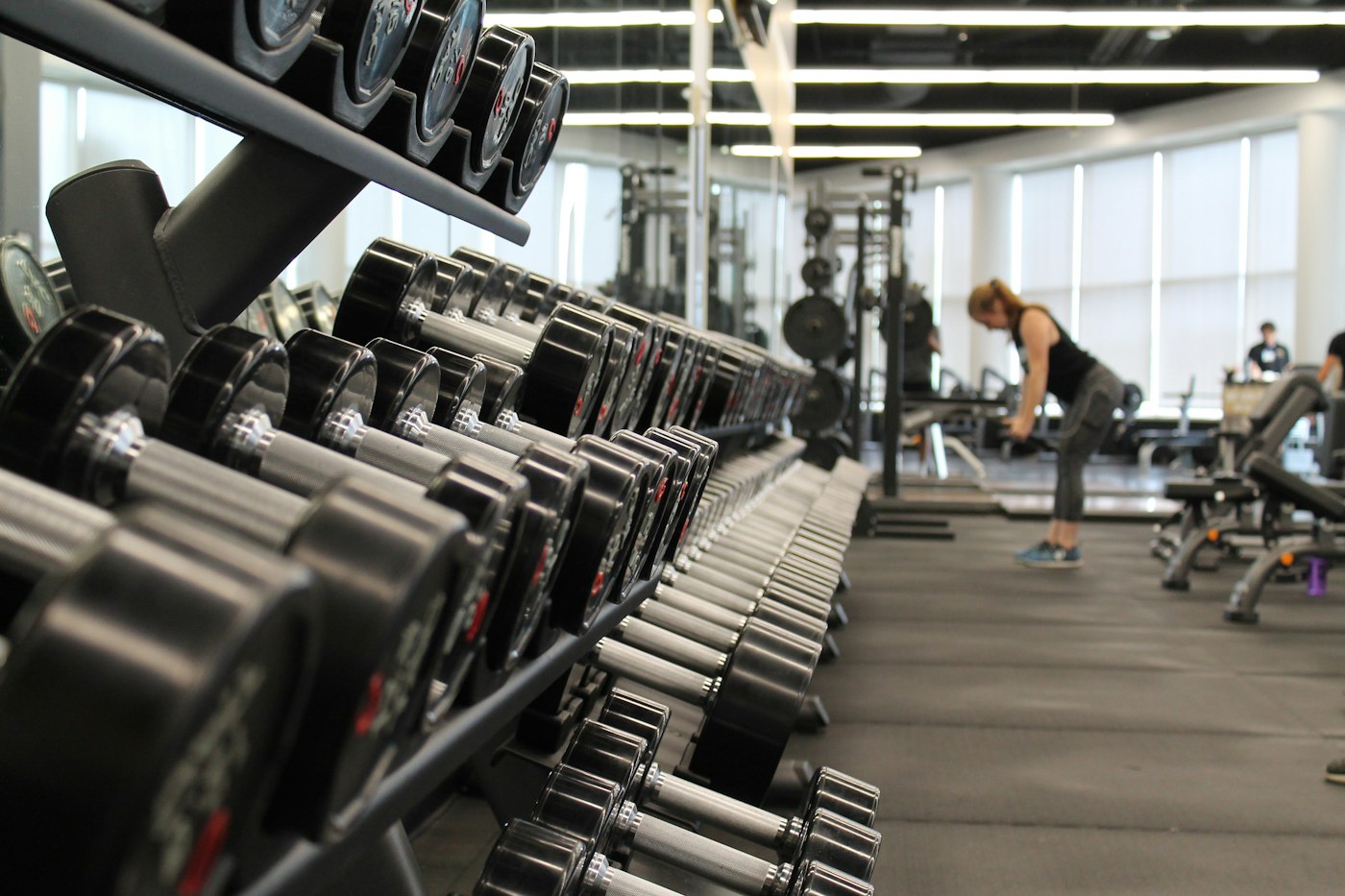
If you spend any time around Bang Tao or Rawai, you notice something: the expat community here is disproportionately fitness-oriented. The people who choose to live in Phuket long-term tend to be active — they surf, they train, they run, they do CrossFit. The island has a ready market for quality fitness facilities, and several gym operators have built genuinely good businesses serving the resident expat community. The key word is "resident" — a gym that relies on tourist traffic has a seasonality problem. A gym that serves the long-term resident population generates monthly membership income that keeps the lights on year-round. Here is the honest guide to opening one.
Fitness Studio & Gym in Phuket — Key Facts
- Boutique studio startup: THB 250,000–600,000
- CrossFit box: THB 500,000–1,200,000
- Monthly membership: THB 2,500–5,000
- Personal training: THB 1,000–2,500/session
- Best areas: Bang Tao, Cherng Talay, Rawai
- CrossFit affiliate fee: USD 3,000/year
- Business: Thai Ltd Co (49% foreign)
- Target: 100–150 resident members
The Phuket Fitness Market
Phuket's fitness market is driven by its long-term expat community rather than mass tourism. The island's 30,000–50,000 long-term resident expats (a rough estimate across various visa categories) include a high proportion of people who workout regularly and value quality fitness facilities. They want consistent coaching, good equipment, and community — and they are willing to pay for it.
The three distinct markets
The Bang Tao and Cherng Talay market is the largest and highest-income fitness market on the island — concentrated around the Laguna resort development and spreading out through Cherng Talay to Layan. The resident expat population here skews towards professionals, digital nomads, and high-net-worth individuals with serious fitness habits. Monthly membership spending of THB 3,000–6,000 per person is common. The Rawai and Nai Harn market is the second major expat fitness community — somewhat more price-conscious than Bang Tao but active and growing. Several established gyms serve this area. The Phuket Town and Chalong market serves a more Thai-resident demographic alongside expats — slightly different fitness preferences but a larger total population.
The seasonality question
Unlike tourist-facing businesses, a resident-focused gym in Phuket has relatively low seasonality. Long-term residents train year-round. The wet season (May–October) sees fewer short-stay tourists but minimal impact on resident gym usage. You do lose members when expats go home for summer — July and August can see 15–25% member attrition in Bang Tao as European expats take extended home visits. Budget for this and focus member acquisition efforts in September–October as people return.
Legal Setup and Licensing
A gym business in Phuket requires Thai company formation (the standard 51% Thai, 49% foreign structure), a commercial premises registration with the local municipality, and a building use permit confirming the space is appropriate for gym use. For a gym in an upper-floor shophouse with heavy free weights, a structural assessment of the floor loading may be required. Fitness instruction is not a reserved occupation (unlike massage), so foreign nationals can legally work as personal trainers with a valid work permit. International certifications — NASM, ACE, REPS, or CSCS — are the market standard and should be required for all trainers on staff regardless.
Choosing Your Concept: Boutique vs Full Gym
The Phuket fitness market has room for well-positioned boutique concepts but limited room for undifferentiated full-service gyms (which face competition from established players). The most successful newer openings in Phuket have been focused concepts: a CrossFit box with strong community culture, a functional fitness studio with excellent programming, or a specialist studio (HIIT, boxing fitness, barre). Generic "gym with treadmills and machines" is the hardest product to differentiate.
| Concept | Startup Cost | Monthly Revenue Potential | Differentiation |
|---|---|---|---|
| Boutique HIIT/functional fitness studio | THB 250,000–600,000 | THB 150,000–350,000 | Programming + community |
| CrossFit affiliate box | THB 500,000–1,200,000 | THB 200,000–500,000 | Brand + global traveller drop-ins |
| Muay Thai + fitness hybrid | THB 300,000–800,000 | THB 200,000–450,000 | Phuket cultural relevance |
| Full-service gym (cardio + weights) | THB 1,000,000–3,000,000 | THB 300,000–800,000 | Convenience + breadth |
| Personal training studio (semi-private) | THB 100,000–300,000 | THB 100,000–250,000 | Personalisation + results |
Health Insurance for Gym Owners and Fitness Professionals in Phuket
As a fitness business owner, make sure your health coverage includes sports injury treatment at Bangkok Hospital Phuket — the island's leading private hospital for active expats.
Get a free quote →Equipment Sourcing in Phuket
Gym equipment sourcing in Phuket requires advance planning. There are no specialist gym equipment showrooms on the island — most operators source from Bangkok distributors or directly from international suppliers (Thai representatives of brands like Life Fitness, Technogym, Rogue, or similar). For functional fitness equipment (barbells, plates, squat racks, pull-up rigs, rowing machines): Bangkok-based distributors for Rogue or local functional fitness equipment suppliers offer delivery to Phuket. Lead time is typically 2–6 weeks. Budget THB 200,000–500,000 for a well-equipped functional fitness box. For cardio machines (treadmills, assault bikes, rowers): premium brands (Life Fitness, Concept2, Assault Fitness) are available through Bangkok distributors. A Concept2 rowing machine runs approximately THB 35,000–45,000; an Assault Bike approximately THB 30,000–40,000. For budget-conscious operators: secondhand gym equipment is available occasionally through expat Facebook marketplace groups in Phuket when gyms close or upgrade.
Building Your Member Base
Getting from zero to 80–100 members is the hardest stretch for a new Phuket gym. The strategies that work: a compelling pre-launch founding member offer (30–40% discount on monthly membership for the first 100 sign-ups) generates community momentum and pre-opening cash flow. The Phuket expat Facebook groups (Phuket Expats, Bang Tao Community, Rawai Expats — collectively 20,000+ members) are genuinely effective for reaching the exact target market. A free community workout event (an outdoor functional fitness session at a local beach or park, open to all) builds awareness and creates social content.
Personal training revenue supplements membership income and helps new members achieve results that drive retention. A personal trainer running 5–8 sessions/day at THB 1,500/session generates THB 7,500–12,000/day — a meaningful revenue contribution from a single coach on staff. For more on the wellness business landscape, see our guides on yoga retreat businesses in Phuket and spa and massage businesses. The working in Phuket hub covers the broader business environment. The Phuket cost of living calculator helps with your financial planning.
Planning to open a gym or fitness studio in Phuket?
We can advise on location selection, Thai company formation, and connecting with the right local legal and accounting support.
Book a free consultation →