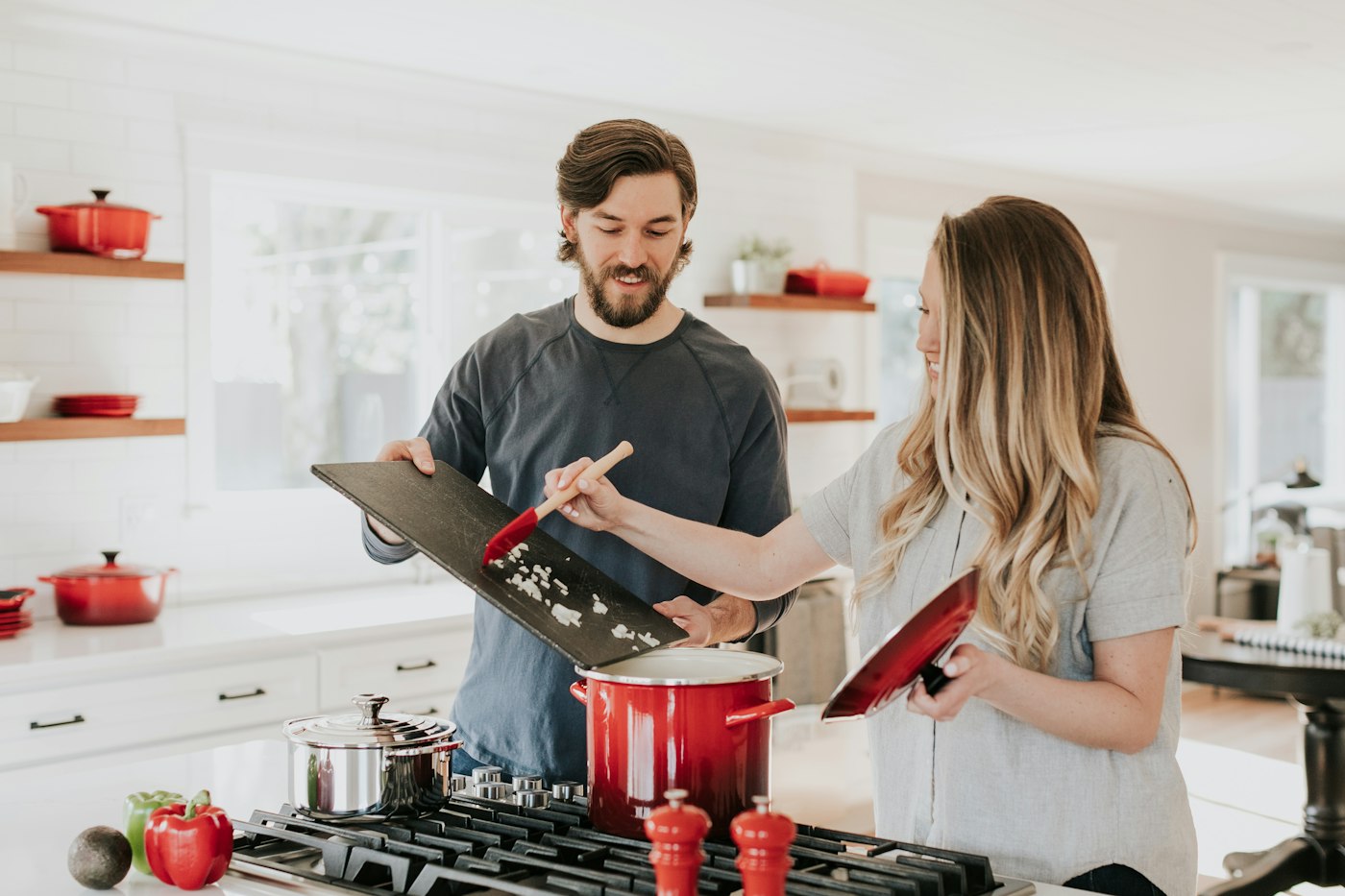
After six years of eating at Thai market stalls, I finally decided to stop marvelling at how the woman making my pad see ew gets it done in 90 seconds and start learning to do it myself. I enrolled at a cooking school in Chalong, and it was one of the best decisions I've made here. Not just for the food — the cultural context, the market visit, the friendships made over a shared kitchen — it's a proper Phuket experience.
Phuket has a genuinely strong cooking class scene, partly because of tourism but increasingly because of the large resident expat community. Whether you want a one-off afternoon class or a structured monthly course, there's something here. Here's the honest breakdown.
🍜 Quick Facts — Phuket Cooking Classes
The Best Cooking Schools in Phuket for Expats
There are roughly a dozen cooking schools operating in Phuket, but quality varies enormously. Some are tourist-trap affairs where you open packets of pre-made curry paste. Others are genuine cooking education. Here are the ones worth your time and money.
| School | Location | Best For | Price (per person) | Market Visit? |
|---|---|---|---|---|
| Blue Elephant Cooking School | Phuket Old Town | Premium experience, special occasions | ฿2,500–฿3,500 | ✅ Yes |
| Phuket Thai Cookery School | Chalong | Expat regulars, flexible scheduling | ฿1,800–฿2,200 | ✅ Yes |
| Baipai Cooking Class | Bang Tao | North Phuket expats, families | ฿1,600–฿2,000 | Sometimes |
| Wilai's Thai Cooking | Rawai | Small groups, authentic southern Thai | ฿1,200–฿1,500 | Optional add-on |
| Time for Lime | Koh Lanta (day trip) | Dedicated foodies, multi-day programmes | ฿2,000–฿4,500 | ✅ Yes |
Blue Elephant Cooking School — Phuket Old Town
The Blue Elephant is in a beautiful colonial mansion on Krabi Road in Phuket Old Town — the kind of building that makes you feel like you're cooking in a 1900s Hokkien merchant's house, because you basically are. The morning programme starts with a visit to the nearby Ranong Road fresh market, then moves into the kitchen for four dishes. It's polished, professional, and genuinely educational. Worth doing at least once — great for visiting family too.
Phuket Thai Cookery School — Chalong
This is where many Chalong expats end up doing regular classes. Owner Pranom has been running it for over a decade, and the teaching style is patient and thorough rather than rushed. Classes cover four dishes from a rotating menu — you won't make the same meal twice in a year. Monthly passes are available for serious learners. The market visit goes to the Chalong area fresh market on Wiset Road, which is more "real" than tourist-facing markets.
Wilai's Thai Cooking — Rawai
The most genuinely local option on this list. Wilai runs small groups (max 6 people) from her home kitchen near the Rawai seafront. You'll learn southern Thai dishes you can't find in most tourist cookbooks — gaeng som (sour curry), chor muang (purple dumplings), and her exceptional massaman that uses proper dried spices, not paste from a packet. Prices are lower because she's not running a commercial school — more of a passion project. Book well in advance.
What a Typical Phuket Cooking Class Looks Like
Most half-day classes follow a similar structure. Understanding the format helps you get the most out of it.
Classes typically start at 9am or 9:30am. The first hour is a visit to a local fresh market — either Malin Plaza on Wiset Road in Rawai, Chillva Market on Yaowarat Road, or one of the many neighbourhood markets that most tourists never see. You'll learn to identify fresh vs old galangal, the difference between kaffir lime leaves and regular lime, and which fish sauce brands the locals actually use (hint: not the tourist-facing ones).
Back in the kitchen, you'll prep and cook 4–6 dishes, typically served as your lunch. The hands-on time is around 90 minutes. Good schools give you a recipe booklet to take home — ideally with weights and exact instructions, not vague "add fish sauce to taste" guidance that's useless when you're recreating at home.
Classes end by noon-1pm, depending on how much time the group spends eating.
Dishes You'll Learn — The Phuket-Specific Advantage
Bangkok cooking schools teach Bangkok food. Phuket schools, if they're worth attending, teach Phuket and southern Thai food — and the difference is significant. Phuket's cuisine has heavy Hokkien Chinese and Malay influences that produce dishes you simply won't find anywhere else.
These are the Phuket-specific dishes worth asking about when booking:
- Mee hokkien — thick yellow noodles in a rich dark broth, a Phuket Old Town staple
- Oh tao — oyster omelette with tapioca starch, sold at every market in Old Town
- Gaeng som Phuket — the southern sour curry that's notably different from central Thai versions
- Kanom jeen nam ya — rice vermicelli with a fish-based sauce unique to the South
- Phuket lobster (hua le) — the small spiny lobster sold at Rawai Seafood Market, best grilled simply
Cooking Classes for Expat Kids and Families
If you have kids at BISP, HeadStart, or any of the international schools, cooking classes are a surprisingly good weekend activity. Kids learn confidence in the kitchen, understand what they're eating, and it makes them significantly more adventurous at street food stalls.
Baipai in Bang Tao specifically welcomes families and adjusts the curriculum for younger learners — less knife work, more mixing and plating. The Blue Elephant also runs family-friendly sessions on weekends during school holidays.
Budget around ฿800–฿1,200 per child for most classes — some schools offer family rates that reduce this further.
Monthly Courses vs One-Off Classes — Which Is Right for You?
Tourist-facing cooking schools are built around one-off experiences. But if you're living here long-term, you want to actually develop a skill — not just have a fun afternoon.
A few schools offer structured monthly courses specifically for residents. Phuket Thai Cookery School's monthly programme (฿4,500/month for two 3-hour sessions per week) is the most structured, teaching from basic techniques through to advanced dishes. After three months, participants can reliably cook 20+ Thai dishes without a recipe.
Alternatively, platforms like local food blogs and community groups often share information about informal cooking circles — Thai neighbours teaching small groups of expat friends in their homes. These aren't commercial operations, but they're often the most authentic experiences available.
Comprehensive Expat Health Insurance in Phuket
Cooking and active lifestyle injuries happen. Make sure you're covered with expat health insurance that includes direct billing at Bangkok Hospital Phuket and Siriroj.
Get a Free Quote → CignaWhat to Bring (and What Not To)
Most schools provide aprons, but wear clothes you don't mind getting turmeric on — it stains everything. Closed-toe shoes are advisable for kitchen safety. Bring a camera or have your phone ready — the market visit and plating sections are genuinely photogenic.
Don't bring a huge bag. You'll be moving between market and kitchen, and most schools have limited secure storage. Leave valuables at home or in your car.
Do bring your own reusable bag for the market visit — it's more hygienic than the shared plastic bags most markets provide, and the vendors will appreciate it.
Where to Go After Class — Continuing Your Food Education
Cooking classes are the gateway. The deeper education comes from spending time at Phuket's food markets:
- Chillva Market (Yaowarat Road) — open evenings Thursday–Sunday, the best variety of Phuket street food in one place
- Rawai Seafood Market — choose your seafood by the kilogram, get it cooked at the adjacent restaurants for a small fee
- Sunday Walking Street (Thalang Road) — artisan food, kanom (Thai sweets), local produce
- Chao Fa West local market — near Chalong, early morning, almost no tourists
Combining a morning market visit with your cooking class education makes the weekly grocery shop considerably more interesting. You'll start noticing ingredients you now know how to use.
Need Personal Guidance on Settling Into Phuket Life?
Whether it's food, neighbourhoods, or the million other questions that come with relocating — we're happy to help. First question is always free.
Ask Us Anything → Relocation Checklist →FAQ — Cooking Classes in Phuket
Related Guides
- Phuket Food Guide for Expats — Markets, Restaurants, Local Cuisine
- Phuket Farmers Markets and Where to Find Organic Food
- Lifestyle Hub — The Expat Life in Phuket Guide
- Expat Life in Phuket: The Complete Lifestyle Guide
- Where to Go Out in Phuket — Beach Clubs, Bars & Nightlife
- Rawai & Nai Harn Area Guide — The Local Expat Scene