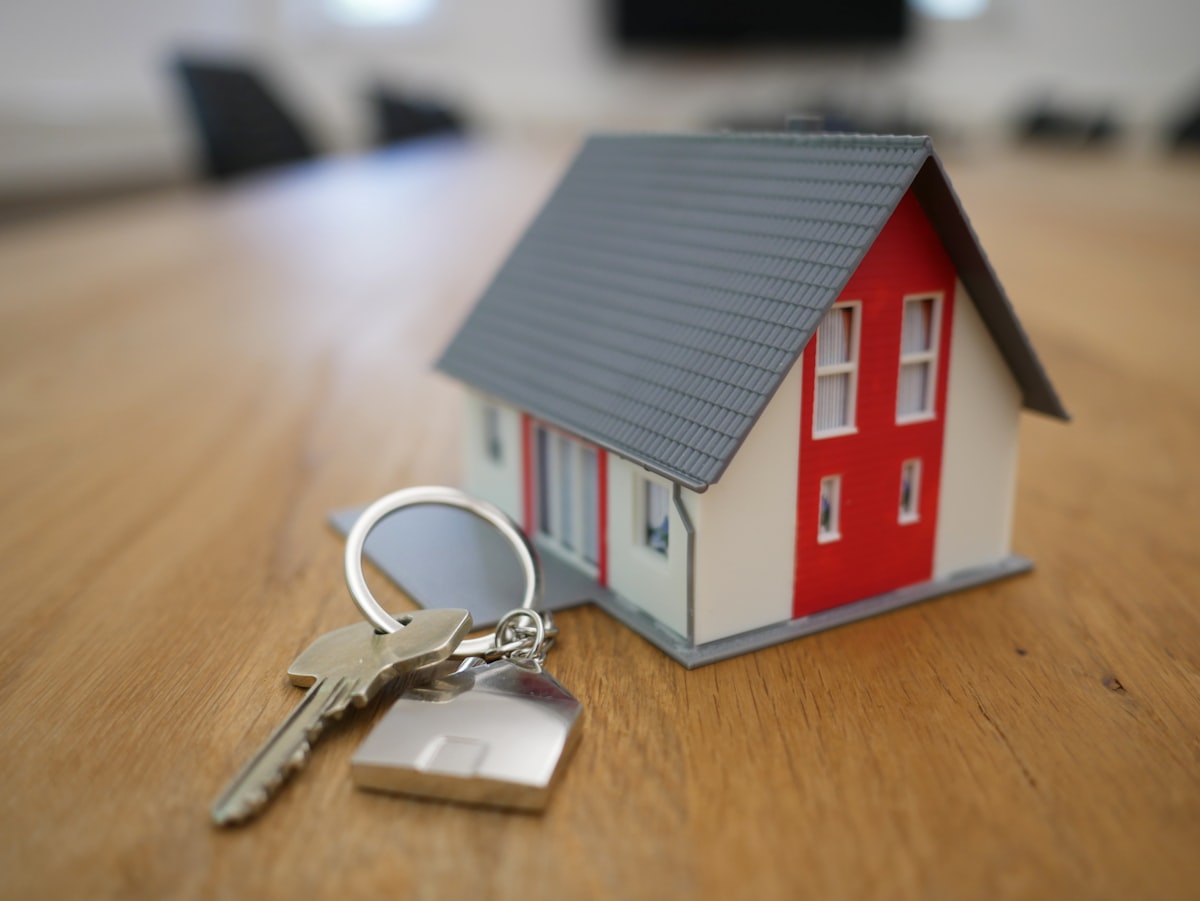
Buying a condo in Phuket is one of the most common property questions I get from expats. The good news: foreign freehold condo ownership is genuinely legal and straightforward in Thailand — if you understand the rules. The bad news: the property market here has more than its share of misinformation, pushy agents, and genuine pitfalls for people who skip the due diligence.
I've watched friends buy condos here with no problems, and I've watched others lose significant money on off-plan projects that never completed. The difference was almost always in how carefully they followed the process. This guide gives you that process, clearly and honestly.
Before you do anything else — find an independent Phuket property lawyer who is NOT recommended by your agent. Legal fees for a condo purchase are typically ฿30,000–80,000. That's cheap insurance on a purchase worth millions of baht. The lawyer's job is to verify the title deed, check the foreign quota, review the contract, and ensure your FET documentation is correct. Don't skip this step.
Can Foreigners Actually Own Property in Phuket?
The short answer: foreigners cannot own land in Thailand, but they can own condominium units outright (freehold). This is the critical distinction that makes condos the primary route to foreign property ownership in Phuket.
Under the Condominium Act B.E. 2522 (1979), foreigners can hold freehold title to condominium units, subject to one important constraint: no more than 49% of the total floor area of any condo project can be foreign-owned. The remaining 51% must remain in Thai hands.
The Three Routes to Condo Ownership in Phuket
| Route | Security | Cost | Best For |
|---|---|---|---|
| Freehold (Chanote in your name) | ⭐⭐⭐⭐⭐ Highest | Full market price | Anyone who qualifies (49% quota) |
| Leasehold (30-year lease) | ⭐⭐⭐ Medium | 5–25% discount | Quota-full projects, land/houses |
| Thai company structure | ⭐⭐ Lower (legal grey area) | Extra setup + annual costs | Not recommended for condos |
For condo purchases, freehold is almost always the right choice when quota is available. Leasehold is an option when the foreign quota is exhausted or as a deliberate cost strategy — but it provides less security. Thai company structures for condo ownership are unnecessary and add cost and complexity without benefit.
The 49% Foreign Quota Explained
Every condo project in Thailand has a foreign quota. Suppose a project has 100 units with an average size of 50 sqm — total floor area is 5,000 sqm. Foreigners can collectively own up to 2,450 sqm (49%). Once that quota fills, no more foreign freehold transfers are possible in that project until an existing foreign owner sells.
How to check the quota status before buying:
- Ask the selling agent directly: "What percentage of the foreign quota has been used?"
- Ask your independent lawyer to verify at the Land Department
- For new-build off-plan, developers usually track this carefully and can provide documentation
- For resale units in established projects, quota utilisation varies — some popular projects in Bang Tao and Surin have high utilisation
Insider tip: In some older projects with high foreign quota utilisation, foreign sellers may actually offer a slight discount because the pool of buyers is restricted (the next buyer must either be Thai or buy on the leasehold Thai quota). This creates occasional buying opportunities for Thai residents or foreigners willing to use leasehold structures.
The FET Document: The Most Misunderstood Requirement
The Foreign Exchange Transaction (FET) certificate — sometimes called a Thor Tor 3 certificate or bank transfer confirmation — is the document that proves your purchase funds came from outside Thailand. The Land Department requires it to register foreign condo ownership.
Why it matters: Thailand law requires that funds used to purchase a condo in the foreign quota be imported from abroad. You cannot use Thai baht that has been sitting in your Thai bank account for years — it must come from a foreign currency transfer that is then converted to baht on Thai soil.
How to Get Your FET Document
- Transfer funds from your overseas bank in foreign currency (GBP, EUR, USD, AUD, etc.) to your Thai bank account. Do not transfer THB — it must be foreign currency.
- The receiving Thai bank (KBank, Bangkok Bank, SCB, etc.) converts the foreign currency to baht and records the transaction
- Request the FET certificate from the bank. At KBank's Yaowarat Road branch in Phuket Town, this is a routine request. You will need the condo's purchase price stated on the certificate
- The certificate is issued showing: your name, the amount, the foreign currency source, and the baht conversion
- Present it at the Land Department on transfer day — without it, the transfer cannot proceed
The FET amount must equal or exceed the purchase price. If you send ฿4.8 million from overseas but the purchase price is ฿5 million, you have a problem. Some buyers send funds in multiple transfers — each transfer generates a partial FET certificate, which can be combined. Ask your lawyer to confirm the exact amount needed before transferring.
Understanding Title Deeds in Phuket
Not all title deeds are equal in Thailand. For condo purchases, you should see a Chanote — the highest form of title. Here's the full hierarchy:
| Title Deed Type | Thai Name | Security Level | For Condo Purchases |
|---|---|---|---|
| Chanote | โฉนดที่ดิน | ⭐⭐⭐⭐⭐ Highest — GPS-surveyed boundaries | ✅ Required / acceptable |
| Nor Sor 3 Kor (NS3K) | น.ส. 3 ก. | ⭐⭐⭐⭐ High — can be upgraded to Chanote | ⚠️ Check with lawyer |
| Nor Sor 3 (NS3) | น.ส. 3 | ⭐⭐⭐ Medium — approximate boundaries | ⚠️ Seek upgrade first |
| Sor Por Gor 4-01 | ส.ป.ก. 4-01 | ⭐ Low — agricultural use only, cannot be sold | ❌ Never buy |
For condo units, the project's underlying land should have a Chanote. The individual unit owners receive a separate title document (หนังสือแสดงกรรมสิทธิ์ห้องชุด or Tabien Baan condo title) issued by the Land Department. Your lawyer will verify all of this.
The Buying Process: Step by Step
Find your property and confirm foreign quota
Work with a reputable agent (not just the developer's in-house sales team). Confirm the foreign quota percentage available — get this in writing.
Engage an independent lawyer
Find a Phuket property lawyer not affiliated with your agent. Budget ฿30,000–80,000. They will verify the title deed, check encumbrances, and review all contracts.
Negotiate and sign the Reservation Agreement
Pay a reservation deposit (typically 1–5% of purchase price). This holds the unit while due diligence proceeds. Get everything in English and Thai.
Complete due diligence (2–4 weeks)
Your lawyer checks: Chanote title for encumbrances, the developer's licenses (for new-build), juristic person management (for existing buildings), and any pending disputes.
Sign the Sale and Purchase Agreement (SPA)
The main contract. Your lawyer reviews every clause. Pay the agreed deposit (typically 30% minus reservation fee). Transfer the deposit from overseas to generate your FET certificate.
Transfer remaining funds from overseas
Transfer the balance (typically 70% for resale, or stage payments for off-plan) in foreign currency to your Thai bank. Request FET certificates for all transfers.
Transfer day at the Phuket Land Department
Located in Phuket Town. Both buyer and seller (or their authorised representatives with power of attorney) attend. Bring: passport, FET certificates, SPA, and transfer fees. The Land Department registers the transfer and issues the new title in your name.
Receive your Chanote (title deed)
The title deed is typically issued on the day or within 1–2 weeks. Store the original securely — certified copies can be obtained from the Land Department later. Congratulations, you own a condo in Phuket.
Taxes and Fees: What to Budget
| Cost Item | Rate | Who Pays | On ฿5M purchase |
|---|---|---|---|
| Transfer fee | 2% of appraised value | Usually split 50/50 | ฿50,000 your share |
| Specific Business Tax (SBT) | 3.3% (if owned <5 years) | Seller | ฿165,000 (seller's cost) |
| Stamp duty | 0.5% (if no SBT) | Seller | ฿25,000 (seller's cost) |
| Withholding tax | Varies (individual vs company) | Seller | Variable |
| Legal fees (your lawyer) | ฿30,000–80,000 fixed | Buyer | ฿40,000–60,000 typical |
| Agency commission | 3–5% (paid by seller) | Seller | — |
Total buyer budget: For a typical resale condo purchase in Phuket, budget approximately 2–3% of the purchase price for transaction costs (transfer fee share + legal fees). So for a ฿5 million condo, expect ฿100,000–150,000 in additional costs beyond the purchase price.
Insider tip: The Land Department uses an "appraised value" (not the actual sale price) for calculating transfer fees and taxes. On most Phuket condos, the appraised value is lower than market value — sometimes significantly so. This means your transfer fee calculation may be lower than 2% of what you paid. Your lawyer will advise on this.
Looking for a property in Phuket?
Our vetted realtor partners know Phuket's condo market inside-out — and they work with independent lawyers we trust.
Off-Plan Condos: Extra Risks to Know
Buying off-plan (before the project is built) is common in Phuket and can offer attractive early-bird pricing. But it comes with specific risks that resale purchases don't have:
- Developer insolvency: Projects have stalled and failed in Phuket. Research the developer's track record — completed projects, years in business, reputation on Phuket expat Facebook groups
- Delayed completion: Most off-plan projects in Phuket run 6–24 months late. Build in flexibility on your timeline
- Specification changes: What's in the brochure is not always what gets built. Have your lawyer review the exact specifications in the contract
- Escrow accounts: Ask whether purchase funds are held in an escrow account or paid directly to the developer. Escrow (still rare in Thailand) provides better buyer protection
- EIA approval: Coastal and hillside projects in Phuket require Environmental Impact Assessments. Verify this is in place before committing
Frequently Asked Questions
Transfer your purchase funds at the real exchange rate
Use Wise to send GBP, EUR, USD or AUD to your Thai bank — get the FET certificate and save on exchange costs.
Related Guides
- Complete property buying guide for foreigners in Phuket
- How to find a trustworthy property agent in Phuket
- Real estate investment guide for Phuket
- Phuket property scams and how to avoid them
- Phuket housing hub — all guides
- Best areas to live in Phuket
