One of the most common misconceptions about moving to Phuket is that the weather is universally perfect. It's not. Phuket has a pronounced wet season — May to October — when the southwest monsoon rolls in and the west coast beaches can be rough and stormy for weeks at a time. The other half of the year is genuinely excellent: clear skies, flat seas, and the warm tropical weather that attracts millions of visitors every winter.
For expats, understanding Phuket's climate rhythm isn't just about planning beach days. It affects when to move (rental prices, availability), renovation timing, which activities are possible when, and the very different character the island has between dry season and wet season. This is the honest, month-by-month breakdown.
Phuket's Two Seasons: The Reality
☀️ Dry Season (November – April)
- Reliable sunshine most days
- West coast beaches calm and swimmable
- Lower humidity (relatively)
- Peak tourist prices and crowds
- December–February: coolest nights (24–27°C)
- March–April: hottest period (34–37°C)
- Best for watersports, diving, island-hopping
🌧️ Wet Season (May – October)
- Heavy rain bursts, mostly afternoons
- West coast surf can be dangerous
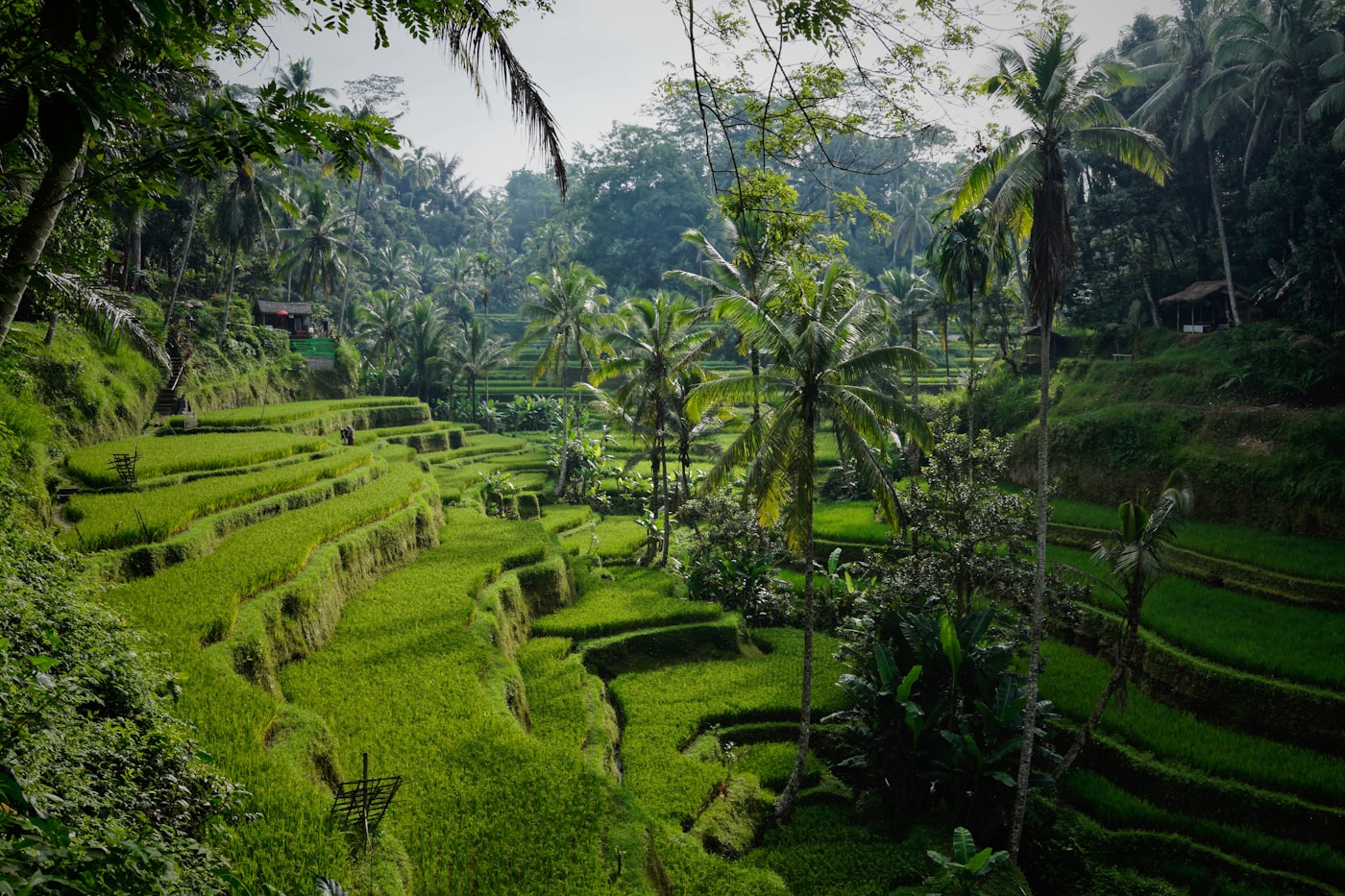
- Lush green landscape
- 20–40% lower rental prices available
- Less crowded island, quieter daily life
- East coast and Rawai often calmer
- Still warm: 28–33°C most days
Phuket's wet season rain is not northern European drizzle. It typically rains hard for 1–3 hours — usually in the afternoon or overnight — then clears. Most wet season days have several hours of sunshine. Many long-term expats actually prefer the wet season: fewer tourists, greener landscape, easier driving, and much lower villa prices.
Phuket Weather Month by Month
Rainfall: ~30mm
Sea: calm & clear
Excellent. Peak season. Busy but beautiful. Best diving visibility.
Rainfall: ~30mm
Sea: calm
Excellent. Still peak season. Consistently sunny. Book accommodation early.
Rainfall: ~45mm
Sea: calm
Very good. Heat building. Still dry. Some of the hottest beach days of the year.
Rainfall: ~60mm
Sea: calm
Good, but hot. Hottest month. Humidity building. Songkran water festival mid-month.
Rainfall: ~200mm
Sea: building swell
Transitional. Monsoon arrives. West coast beaches rougher. Good for deals.
Rainfall: ~180mm
Sea: rough west coast
Wet season. Regular rain. East coast swimmable. Island green and quiet.
Rainfall: ~190mm
Sea: rough west coast
Wet season. Regular afternoon downpours. Cooler than dry season. Local lifestyle unaffected.
Rainfall: ~210mm
Sea: rough
Wet season. Heaviest consistent rain. Still lots of sunny hours. Great diving on east side.
Rainfall: ~290mm
Sea: rough west coast
Wettest. Peak rainfall. Some flooding in Phuket Town low areas. Very green.
Rainfall: ~260mm
Sea: improving
Transition. Rain tapering late month. Prices still low. Good time to move/arrive.
Rainfall: ~80mm
Sea: calming
Excellent. Season opening. Weather improving rapidly. Lower prices than Dec–Feb.
Rainfall: ~40mm
Sea: calm & clear
Best weather. Busiest month. Prices highest. Stunning sunsets. Christmas/NYE peak.
Best Time to Move to Phuket
The best time to move to Phuket depends on what matters most to you — weather, cost, or logistics.
Moving for the experience: November or March
If you want your first months in Phuket to feel magical — clear skies, perfect beach weather, the island at its most beautiful — aim to arrive in November or March. November gives you the opening of the dry season with slightly lower prices than the January peak. March is beautiful but increasingly hot by the end of the month.
Moving for the best deals: May to September
If you're optimising for rental prices and want to get settled before the tourist crowds arrive, moving in May–September makes financial sense. Long-term rental prices are typically 15–25% lower in wet season. You also get the genuine local Phuket experience — the island without the high-season tourist layer — which many expats find helpful for understanding what they're actually committing to.
Moving for family logistics: August to September
If you have school-age children attending BISP, UWC, or HeadStart, the schools' academic year begins in August or September. Moving in late July or early August lets you arrive, settle in, and manage the school start without the chaos of arriving after term has begun.
Many expats who moved in the wet season say it was actually ideal. You find your neighbourhood without pressure, negotiate better rents, see the island's authentic pace, and have the dry season's brilliance to look forward to rather than behind you. The wet season is genuinely liveable — don't let tourist-focused travel writing convince you otherwise.
How Climate Differs Across Phuket's Areas
Phuket is a relatively small island but the climate is not uniform. Understanding these differences matters for choosing where to live:
West coast (Patong, Kata, Karon, Bang Tao, Kamala, Surin)
The most beautiful beaches but the most impacted by the southwest monsoon. Wet season (May–October) brings rough surf, dangerous conditions, and regular red flag beach closures. These beaches are why Phuket is famous and they deliver fully in the dry season — but they're more limited as a daily swimming option in wet season.
South coast and east (Rawai, Nai Harn, Ao Chalong)
More sheltered from the southwest monsoon. Nai Harn in particular maintains better conditions year-round than the west coast's main tourist beaches. Rawai seafront faces east, so it's calmer in wet season. This is partly why Rawai/Nai Harn is so popular with year-round expat residents — it's more consistently liveable.
Hills and inland areas
Kathu, Phuket Town, and the inland hills receive significant rainfall in wet season but are shielded from the direct coastal weather effects. The hills are slightly cooler (by a few degrees) and often catch cloud and mist in peak wet season — which some expats love and others find oppressive.
Red flag beach days must be taken seriously in Phuket. Every wet season, multiple tourists and expats drown on west coast beaches despite red flag warnings. The undertow and rip currents on Kata, Karon, and Patong in rough conditions are extremely dangerous — far more so than they look from the shore. Never swim at a red-flagged beach, regardless of how calm it appears to be.
What Phuket Life Is Like in Each Season
Beyond the weather numbers, here's what the seasons actually feel like as a resident:
High season (December–February): peak but crowded
The restaurants are full, traffic is noticeably heavier on the west coast roads, rental prices are at their highest, and the island has an electric, international energy. If you're entertaining visitors or enjoy the social buzz of a cosmopolitan resort island, high season is its own kind of wonderful. If you prefer quieter daily life, it can be frustrating.
Hot season (March–May): intense but manageable
April is genuinely hot — regularly 35–37°C by midday. Air conditioning becomes essential, outdoor exercise needs to happen before 8am or after 5pm, and Songkran in mid-April gives the whole island a festive, joyous release valve. Not the most comfortable time to arrive if you're not heat-adapted, but manageable once you adjust.
Wet season (June–October): green, quiet, authentic
For many long-term expats, June to October is their favourite time. The island's expat community is more present (visitors have gone home), the landscape is lush and dramatic, prices are lower, and the daily rhythm of afternoon rain followed by clear evenings becomes oddly comforting. Outdoor activities shift: more Muay Thai and gym, less beach. The community gathers more at cafés and restaurants rather than beaches.
Shoulder season (November): the sweet spot
November is often cited by residents as the favourite month. The weather has improved dramatically, the tourist crowds haven't fully arrived, prices are still pre-peak, and the sea is glassy and warm. If you could choose any month to arrive in Phuket for the first time, most experienced residents would say November.
Planning your move to Phuket?
Our relocation guides cover visa options, area comparisons, and everything you need to know before you arrive.
Frequently Asked Questions
Get The Phuket Insider Newsletter
Monthly guides for expats in Phuket — lifestyle, costs, seasonal tips, and practical relocation advice. 4,000+ subscribers.
Subscribe Free →Related Guides for Moving to Phuket
- Cost of Living in Phuket
- Budget Living in Phuket
- Rawai & Nai Harn Area Guide
- Bang Tao & Laguna Area Guide
- Visa Options for Living in Phuket
- Phuket Relocation Services & Movers
