Let me be honest upfront: Phuket is not a city where you can live car-free and navigate easily by public transport. It's an island with dispersed areas, limited public bus infrastructure, and a transport culture built around personal vehicles. That said, the options that do exist are genuinely useful if you know how they work — and they can save you significant money on specific routes.
I've used Phuket's public transport regularly over the past seven years. Here's what actually works, what doesn't, and when it's worth using each option.
The Smart Bus: Phuket's Air-Conditioned Bus Service
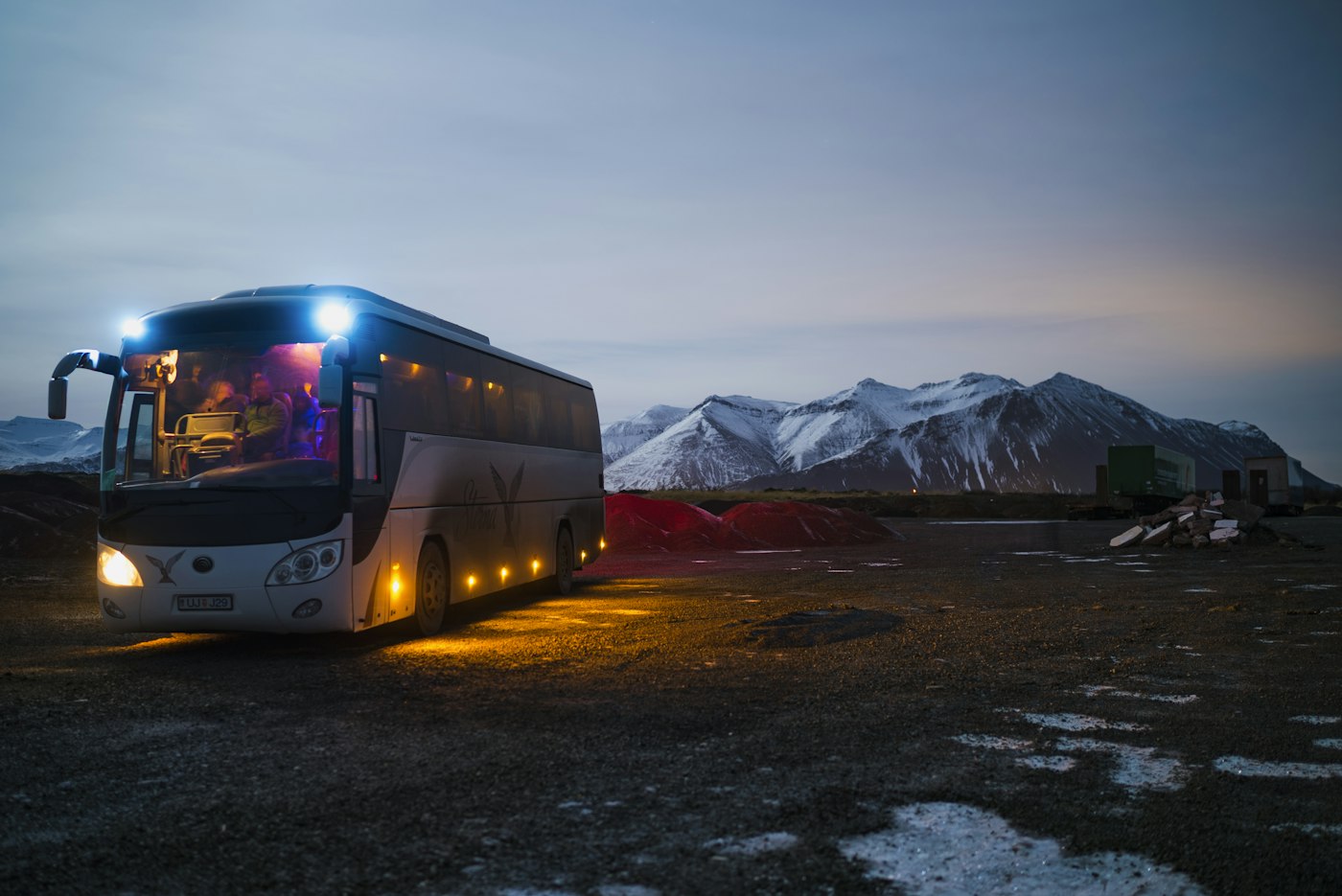
The Smart Bus is Phuket's most user-friendly public transport option. These are modern air-conditioned blue buses that operate on three main routes between central Phuket Town and tourist/beach areas. They're clean, reliable, cheap, and have air conditioning — important at 35°C.
Smart Bus Route 1 — Phuket Town to Rawai
Stops: Phuket Bus Terminal → Central Festival → Chalong Circle → Chalong Pier → Rawai. Good option for getting to Rawai market, Nai Harn beach (short songthaew from Rawai), or the Chalong area without a vehicle. Most useful for daytime errands — evening frequency drops.
Smart Bus Route 2 — Phuket Town to Patong
Stops: Phuket Bus Terminal → Tesco Lotus Kathu → Patong (Bangla Road area). Useful for getting to Patong without a vehicle or Grab. The road through Kathu is less scenic than the coast road but faster. Not useful for evening Bangla Road trips — last bus is early.
Smart Bus Route 3 — Airport to Phuket Town
Stops: Phuket International Airport → Airport Rd Junction → Central Festival → Phuket Bus Terminal (Ranong Road). The best value airport transfer for anyone going to Phuket Town or connecting to a songthaew. At ฿150–฿180, it's a fraction of the Grab fare (฿600–฿1,000) or official taxi (฿1,000+). Journey time 45–60 minutes.
Songthaews: Phuket's Original Shared Transport
Songthaews (สองแถว — "two rows") are pickup trucks with covered seating in the back. They operated in Phuket long before the Smart Bus existed and remain the primary semi-public transport option for many routes. They are slower, less comfortable, and more confusing than the Smart Bus — but they cover routes and times the Smart Bus doesn't.
How Songthaews Work in Phuket
The main songthaew hub is the terminal on Ranong Road in Phuket Town market. From here, coloured songthaews run to specific destinations:
| Destination | Colour | Approx Fare | Journey Time |
|---|---|---|---|
| Patong Beach | Blue | ฿30–฿50 | 30–45 min |
| Kata / Karon | Green | ฿40–฿50 | 40–50 min |
| Rawai / Nai Harn | Yellow | ฿30–฿40 | 30–40 min |
| Bang Tao / Surin | White | ฿50–฿80 | 45–60 min |
| Kamala | Orange | ฿40–฿50 | 35–45 min |
| Chalong | Various | ฿25–฿35 | 20–30 min |
Songthaews are most frequent in the mornings (06:00–10:00). They become less frequent in the afternoon and stop operating in the evening — typically around 17:00–18:00. For any evening travel, Grab is your only practical option.
Songthaew Charter (Shared Taxi)
You can also charter a songthaew for your personal party, which makes it effectively a taxi. Charter prices: ฿150–฿400 for typical trips within and between areas. Negotiate firmly before getting in — the driver will start high. Having a Thai speaker or using a written price on your phone helps. This is often the best option for groups of 3–5 people making a specific journey.
Tuk-Tuks: For Short Tourist Journeys
Phuket tuk-tuks (three-wheeled motorised vehicles) are primarily tourist-oriented and expensive by local standards. Use them for short trips or when nothing else is available. Prices: ฿100–฿300 for typical tourist trips within a single area. Negotiate every time. Don't be surprised if a tuk-tuk driver tries to take you to a "special shop" — this is a common commission scheme. If your tuk-tuk makes an unannounced detour, you can refuse to get out until they go to your destination.
Grab: The Reliable Option for Everything Else
Grab (the Southeast Asian equivalent of Uber) is the most important transport app in Phuket. For any journey where timing matters, or after 6pm, Grab is the practical choice. Prices are transparent, no negotiation required, and you can track your driver.
| Route | Typical Grab Fare | Songthaew Alternative |
|---|---|---|
| Phuket Town → Patong | ฿250–฿380 | ฿30–฿50 songthaew |
| Phuket Town → Rawai | ฿200–฿280 | ฿30–฿40 songthaew |
| Airport → Phuket Town | ฿600–฿900 | ฿150 Smart Bus (Route 3) |
| Airport → Rawai | ฿900–฿1,200 | Bus + songthaew (฿200 total) |
| Chalong → Bang Tao | ฿350–฿500 | No direct songthaew |
| Kata → Patong | ฿180–฿250 | No direct route |
The Grab fare comparison shows where public transport saves money: airport transfers and the Phuket Town to beach runs. For cross-island journeys (Chalong to Bang Tao, Kata to Rawai) there are no direct public transport options and Grab is effectively your only choice besides driving yourself.
The Honest Reality: You'll Probably Need a Scooter or Car
Most expats who've been in Phuket more than a few months end up with a scooter or a car. Here's why: Phuket's areas are spread out, the last mile from a bus stop or songthaew terminal to where you actually want to go is often 1–3km, and the buses stop running before evening. For daily life — school runs, supermarket trips, gym, beach — personal transport is simply more practical.
The exceptions where you can comfortably live without personal transport: if you live in Phuket Town (within walking distance of the Ranong Road songthaew terminal and Smart Bus stops), or if you work at home and rarely need to travel at short notice.
For a full comparison of transport options including scooter buy vs rent, car ownership, and monthly cost analysis, see our complete Phuket transport guide and our scooter guide.
Cycling in Phuket
Cycling is possible but not easy. The roads have no dedicated cycle lanes in most areas, traffic is heavy, and the hills between Phuket Town and the beaches are genuinely steep. A small number of expats use bicycles for short local errands — particularly in Rawai, Chalong, and parts of Bang Tao where the roads are quieter. For longer distances in Phuket's heat and traffic, it's exhausting and not particularly safe. E-bikes are growing in popularity and make the hills manageable.
Planning your transport setup in Phuket?
Scooter vs car vs Grab — we help you think through the transport costs for your specific situation. First question always free.
Book a consultation →Health insurance for Phuket expats
Phuket roads are the biggest daily risk for expats. Make sure you're covered. Compare health insurance from ฿28,000/year.
Get a quote →