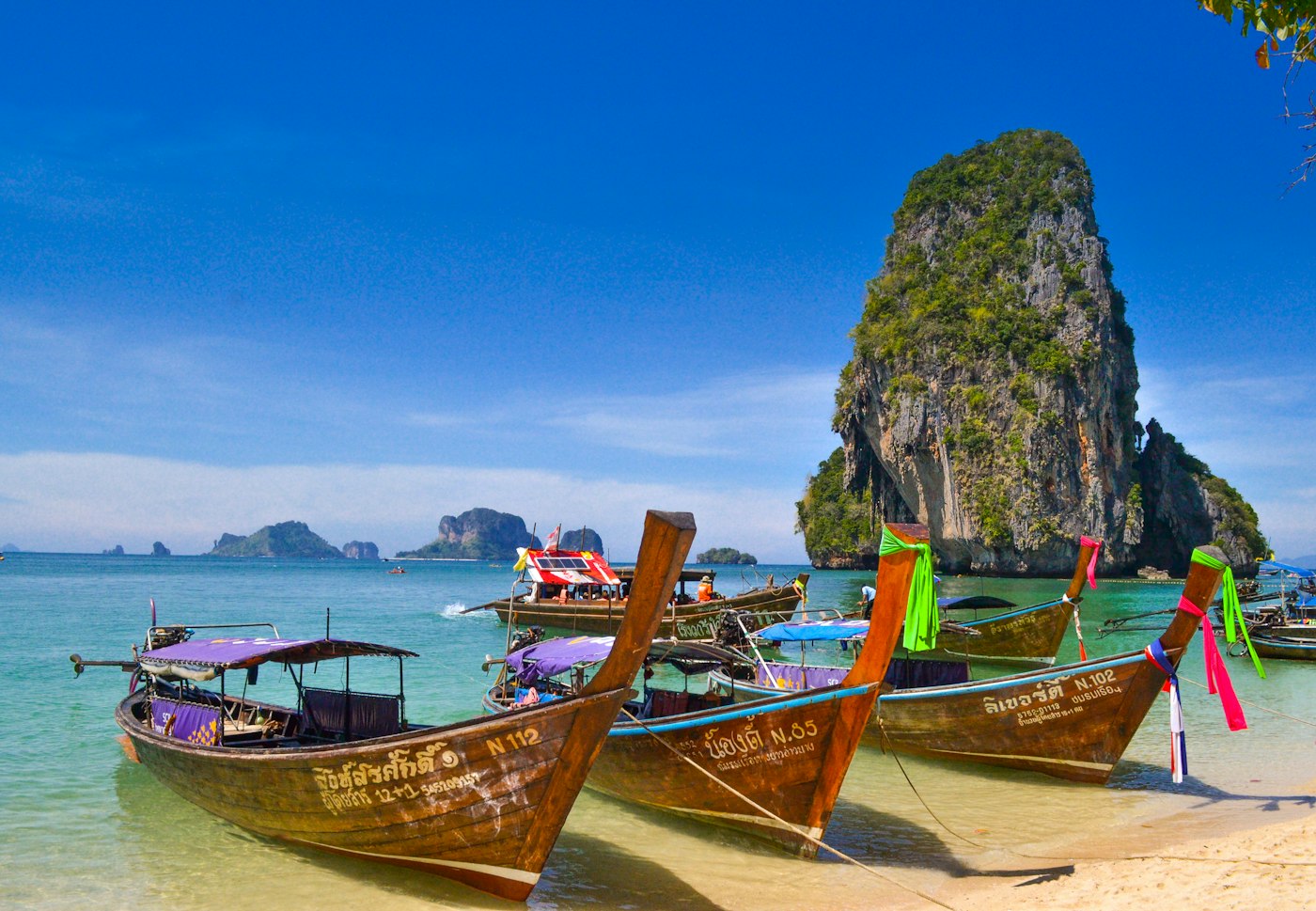
Dutch expats are among the most well-prepared when making international moves — and for good reason. The Dutch administrative system requires explicit deregistration, insurance cancellation, and tax residency changes before you leave. Fail to do these correctly and you'll be paying Dutch health insurance premiums (zorgverzekering) from a beach in Rawai for months longer than necessary.
The good news: the Netherlands has a tax treaty with Thailand, AOW state pension is payable anywhere in the world, and the Dutch banking setup (ING, Rabobank, ABN AMRO) is generally compatible with maintaining accounts abroad. Phuket has a growing Dutch community — you won't feel alone in navigating this.
📋 In This Guide
BRP Deregistration
The most important step for Dutch expats is formally deregistering from the Basisregistratie Personen (BRP) at your local gemeente. Visit the municipality and declare uitschrijving naar het buitenland (deregistration to abroad). You'll be moved to the Registratie Niet-Ingezetenen (RNI). This single act triggers the end of most Dutch residence-based obligations and entitlements.
Uitschrijving BRP
Visit gemeentehuis before departure. File deregistration (uitschrijving). Keep your BSN number — you'll always need it for Dutch transactions. RNI registration doesn't require in-person attendance once you're abroad.
Cancel Zorgverzekering
Cancel your Dutch health insurance (VGZ, CZ, Zilveren Kruis, Menzis) effective from your BRP deregistration date. Send written cancellation — do not let it continue from abroad. You'll owe premiums until formal cancellation.
Notify Belastingdienst
Inform the Dutch Tax and Customs Administration of your departure. File M-biljet (departure year tax return). Update MijnBelastingdienst with your foreign address.
DigiD Abroad
You can keep your DigiD (Dutch digital identity). Essential for filing Dutch tax returns remotely, accessing SVB pension portal, and Dutch government services. Renew via DigiD app — requires Dutch phone number or use DigiD in the app.
Dutch Tax Residency & Belastingdienst
Dutch tax residency (fiscaal inwonerschap) is determined by whether your actual centre of life — personal ties, economic interests, property — remains in the Netherlands. Unlike some countries, the Netherlands does not apply a simple day-count rule. The Belastingdienst looks at all circumstances. However, spending 180+ days in Thailand with formal BRP deregistration and cancelled Dutch residence ties will normally terminate Dutch fiscal residency.
The Netherlands taxes worldwide assets under Box 3 (fictitious return on savings/investments). In your departure year, Box 3 applies for the period you were Dutch tax resident. Ensure your Box 3 assets are properly declared in your M-biljet (departure return). Dutch-source income (Dutch property rental, Dutch company dividends) remains taxable in the Netherlands under the Netherlands-Thailand DTA even after departure.
| Income Type | NL-Thailand DTA | Practical Action |
|---|---|---|
| Dutch employment income | Taxed where work is performed | If remote work for Dutch employer: complex — get belastingadviseur advice |
| Dutch rental income (Box 1 or 3) | Taxed in Netherlands | File annual Dutch tax return for rental income |
| Dutch dividends (Box 2/3) | 15% withholding in NL; credit in Thailand | DBA applies; Dutch withholding tax at source |
| AOW pension | May be taxed in Netherlands | Notify SVB; loonheffing may continue at non-resident rate |
| Private pension (pensioen) | Depends on source — check DBA | Pension provider deducts loonheffing unless exemption obtained |
| Capital gains | Box 3 (fictitious return); no separate CGT | Only relevant during Dutch residency period |
Zorgverzekering & Healthcare in Phuket
Dutch compulsory health insurance (Zorgverzekeringswet — Zvw) requires all Dutch residents to hold a zorgverzekering policy. Once you formally deregister from the BRP and are no longer a Dutch resident, you are no longer required (or entitled) to hold a Dutch zorgverzekering. Cancellation must be in writing to your insurer, effective from the BRP deregistration date. A huurtoeslag (housing benefit) or zorgtoeslag (healthcare subsidy) you receive will also stop.
In Phuket, arrange private international health insurance before leaving. Bangkok Hospital Phuket on Yaowarat Road (076-254-425) is the main expat hospital — JCI-accredited, English-speaking, excellent quality. Procedures cost 30–70% less than Dutch rates.
Cigna Global
Best option for comprehensive cover. Direct billing at Bangkok Hospital. Annual premiums from ~€1,200 for young adults. [AFFILIATE_CIGNA_HEALTH]
Pacific Cross
Strong Phuket hospital network, good value for under-50 Dutch expats. Popular with the Bang Tao community. [AFFILIATE_PACIFIC_CROSS]
Dental in Phuket
Excellent and cheap. Crown ฿8,000 vs €1,200+ in Amsterdam. Bangkok Hospital Dental on Yaowarat Road. Implant ฿45,000 vs €3,000+ in NL.
Non-OA Insurance
Retirement visa requires OIA-approved insurance. This is minimum compliance coverage only — always supplement with a proper international plan.
AOW Pension Abroad
The AOW (Algemene Ouderdomswet) is the Dutch state pension, payable from age 67. It is an individual entitlement based on years of residence in the Netherlands (not just contributions) — you build AOW entitlement at 2% per year of Dutch residency between ages 15 and 67. Non-resident years reduce your AOW entitlement proportionally, unless you make voluntary AOW contributions via the SVB (Sociale Verzekeringsbank) while abroad.
Voluntary AOW Contributions Abroad
If you move to Phuket before age 67, you can make voluntary SVB contributions to continue building AOW entitlement. Rates are significantly lower than standard Dutch contribution rates. This is worth doing if you have fewer than 52 full AOW years — contact the SVB (Rozenstraat 123, The Hague) to arrange ongoing voluntary contributions.
Occupational Pension (Pensioen)
Dutch sector pensions (ABP for government workers, Zorgverzekeraars for healthcare, PMT for metalworkers, etc.) are managed by pension funds and can be paid abroad. Contact your pensioenfonds to update your foreign address and banking details. Loonheffing (payroll withholding tax) normally continues to be deducted at source on Dutch pension payments to non-residents unless a vrijstelling (tax exemption) is obtained based on the NL-Thailand DTA.
Dutch Banking & Sending Money
ING, Rabobank, and ABN AMRO generally allow non-residents to keep accounts open. However, some Dutch banks have become more restrictive about non-resident accounts since 2022 due to AML regulations. Notify your bank of your change of address. Bunq (an Amsterdam-based fintech) is increasingly popular with Dutch expats abroad — fully online, no physical branch needed.
Best Transfer Methods: Netherlands → Thailand
| Method | Fee | Rate | Speed | Verdict |
|---|---|---|---|---|
| Wise | ~0.5–0.9% | Mid-market | 1–2 days | ✅ Best overall |
| Revolut | Low (weekdays) | Good | Instant | ✅ Good for regular amounts |
| Bunq (Wise-powered transfers) | Low | Good | 1–2 days | ✅ Convenient for Bunq users |
| ING/Rabobank SWIFT | €20–€40 | Bank rate (poor) | 2–4 days | ❌ Avoid for regular transfers |
Visa Options for Dutch Citizens
Dutch passport holders are entitled to 30 days visa-free on arrival (land border) or 60 days by air. For long-term stays in Phuket, the main options are:
| Visa | Cost | Duration | Requirements | Best For |
|---|---|---|---|---|
| DTV | ฿10,000 | 180 days/entry, 5 years | Remote employment/freelance income abroad | Under-50, remote workers |
| Thailand Elite | ฿900,000–฿2.5M | 5–20 years | Background check | Maximum convenience |
| LTR Wealthy Pensioner | ฿10,000 | 10 years | Passive income USD 40k+/year; 50+ | Well-funded retirees |
| Non-OA Retirement | ฿2,000/year | 1 year renewable | Age 50+; ฿800k Thai bank; OIA insurance | Most retirees |
| Tourist extension | ฿1,900 | 30 extra days | In-person at Phuket Immigration | Short-term only |
Settling in Phuket
The Dutch expat community in Phuket is compact but friendly. You'll find Dutch residents most concentrated in Bang Tao/Laguna, Rawai, and scattered across Phuket Town. The Phuket Expats Facebook group and the Bang Tao & Laguna Residents group are the main online communities.
Week 1 Steps
- AIS SIM — At the airport (best coverage in Phuket). ฿299/month unlimited data.
- Grab app — Essential for transport before you have a vehicle.
- KBank account — KBank Yaowarat Road, Phuket Town. Dutch passport + visa + SIM. Most flexible for foreign arrivals.
- Wise account — Set up before departure. Mid-market EUR/THB rates, ~0.7% fee.
- LINE app — Thailand's main messaging platform. Landlords, shops, delivery all use LINE.
Best Areas for Dutch Expats
- Bang Tao / Laguna — Expat-heavy, BISP and UWC schools, Boat Avenue, beach clubs. 1-bed from ฿18,000/month.
- Rawai / Nai Harn — Quieter, community feel, Nai Harn Beach. Popular with retirees and remote workers. 1-bed from ฿12,000/month.
- Phuket Town — Most affordable, walkable, good food. 1-bed from ฿8,000/month.