
There's something that happens to people who move to Phuket. The first six months are about the novelty — the beaches, the food, the freedom. Then, usually around year two, something shifts. The pace of life and access to genuine Buddhist culture prompts a lot of expats to develop a meditation or mindfulness practice that they'd never quite gotten around to at home. Phuket isn't Chiang Mai or Koh Phangan when it comes to the depth of retreat culture, but it has a solid and growing wellness community, several respected teachers, and access to the kind of natural setting that makes sitting quietly actually feel worth doing.
This guide covers the meditation retreat options available to both expats based in Phuket and visitors coming specifically for a retreat experience — from day programmes to multi-day residential retreats, Buddhist temple practice to modern mindfulness.
Types of Meditation Practice Available in Phuket
The traditional Theravada Buddhist practice taught throughout Thailand. Focuses on present-moment awareness and the observation of sensation. Available at temple-based centres and some retreat programmes.
Modern, secularised mindfulness programmes — often drawing on MBSR (Mindfulness-Based Stress Reduction) frameworks. Popular at wellness resorts and with expats who prefer a non-religious approach.
Many Phuket yoga studios integrate meditation into their programmes — from brief closing meditations in yoga classes to dedicated half-day programmes combining asana and sitting practice.
Holotropic breathwork, Wim Hof, and pranayama-focused programmes are offered at several Phuket wellness venues. Particularly popular with the health-focused expat community in Rawai and Bang Tao.
Several Phuket temples welcome foreign practitioners for guided or self-directed meditation, chanting, and dharma talks. An authentic, low-cost option for those interested in traditional practice.
High-end resort programmes combining meditation, spa treatments, nutrition, and yoga — aimed at visitors wanting a comprehensive wellness experience rather than purely a meditation deepening.
Meditation Centres and Retreat Venues in Phuket
Here are the main options for structured meditation practice in Phuket, ranging from authentic Buddhist settings to contemporary wellness environments.
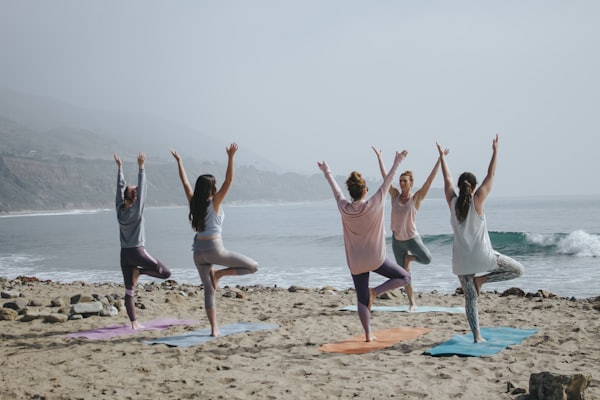 Buddhist Temple
Phuket's most significant Buddhist temple offers occasional guided meditation sessions for foreigners, particularly on Buddhist holidays. The setting — amid the ornate stupa and reclining buddha — is genuinely atmospheric. More authentic than curated, which is either its appeal or its challenge depending on what you're looking for.
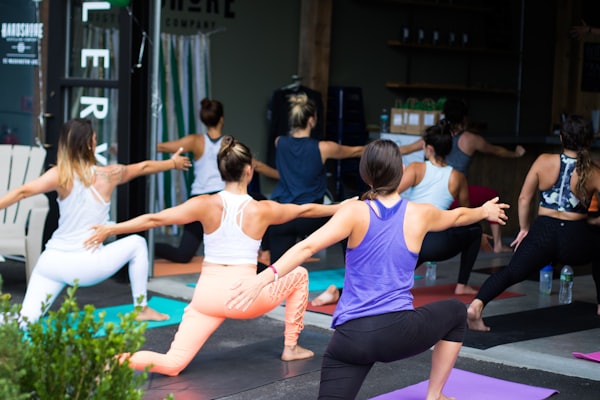 Yoga & Meditation
One of Phuket's most comprehensive wellness operations, Sumalee combines Muay Thai training with yoga and meditation programming. Their meditation and mindfulness sessions are open to non-fighters and draw both expat residents and visitors. Solid meditation teaching in a well-equipped environment.
 Yoga & Meditation
The south of Phuket has a concentrated wellness community. Studios along Sai Yuan Road and around Nai Harn regularly offer dedicated meditation sessions, breathwork workshops, and weekend day-retreat programmes. Quality and approach vary — this is a neighbourhood you explore by trying different teachers until you find your fit.
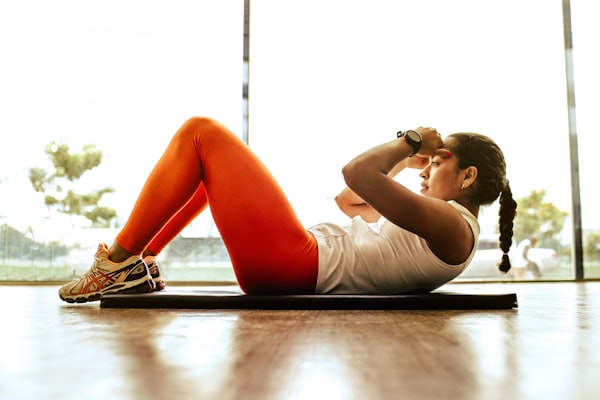 Wellness Resort
Several resorts in the Laguna complex offer structured multi-day wellness retreats that include guided meditation, yoga, nutrition consultations, and spa therapies. These are premium experiences designed for visitors rather than long-term expats — expect to pay accordingly. Anantara Phuket Layan and Cassia Phuket have run notable programmes.
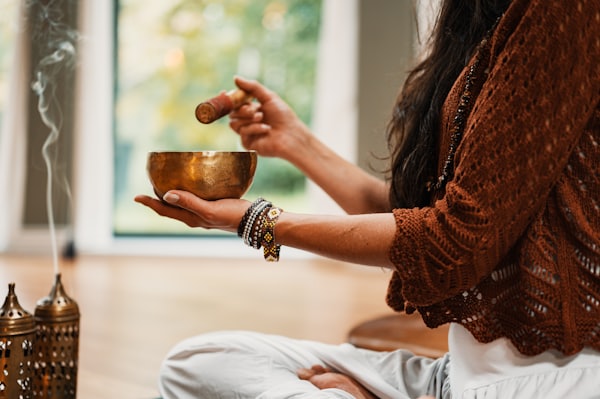 Day Retreat
Several smaller meditation and yoga centres operate in the Kata/Karon area, often with a more intimate, teacher-led approach than the larger wellness complexes. Some long-term expat teachers based here offer small-group retreats and one-on-one instruction. This is where to look for serious practitioners wanting depth over luxury.
 Forest Temple
The hills above Kathu are home to several forest monasteries that occasionally welcome foreign practitioners for extended stays. These are not spa experiences — expect basic accommodation, monastic schedule, and silence. The handful of expats who have spent time here describe it as transformative. Access is typically by prior arrangement with the abbot.
What to Expect from a Phuket Meditation Retreat
If you've never done a structured meditation retreat before, or you're newer to Phuket, here's what to expect from the different programme types:
Day programmes at wellness studios
A typical day retreat at a Phuket wellness studio runs 8am–4pm and includes a morning sitting meditation, yoga or mindful movement, a facilitated breathwork session, a plant-based lunch, and afternoon meditation. Some include a sound bath or guided visualisation. Price: 2,500–5,000 THB including meals. These work well for both beginners and experienced practitioners and are the most accessible entry point.
Multi-day residential programmes
3–7 day programmes at Phuket wellness resorts combine accommodation, meals, daily meditation sessions, and often complementary therapies. The meditation content varies — some programmes are genuinely focused on deepening practice, others are more "meditation-flavoured wellness holidays." Read descriptions carefully and ask about the teaching background of the meditation facilitator.
Temple stays
Temple-based stays in Phuket are less formalised than in Chiang Mai. You'll typically need to approach the temple directly, have reasonable Thai (or find a temple that accommodates foreigners), observe eight precepts, and participate in the monastic schedule. Not for beginners, but genuinely transformative for those ready for it.
If your primary goal is a serious, intensive meditation retreat, Chiang Mai has a more developed retreat infrastructure — Doi Suthep temples, formal vipassana centres, and a larger resident dharma community. Phuket's strengths are its combination of wellness, yoga, and meditation in a beautiful coastal setting, and its accessibility for families and couples where one partner wants more of a holiday. Know which you're seeking before booking.
Ongoing Meditation Practice for Phuket Expats
If you're based in Phuket rather than visiting, the question is less about retreats and more about building a sustainable regular practice. Here's where the expat meditation community is active:
Weekly drop-in meditation classes
Multiple yoga studios in Rawai, Kamala, and Bang Tao run weekly sitting meditation classes — typically 60–90 minutes, 400–800 THB, no booking required. Search for teachers rather than venues; Phuket has a number of genuinely experienced teachers, some with 10–20 years of their own practice, who offer classes at relatively modest rates. Recommendations spread through the expat Facebook groups.
Buddhist community practice
Several Phuket temples host regular dharma talks and meditation sessions that foreigners attend. Beyond Wat Chalong, ask at the International Buddhist Center in Phuket Town, which has occasionally run English-language programmes. Thai Buddhist community practice is not designed for foreigners but the community is generally welcoming to sincere practitioners.
Online-supported practice
Many Phuket expats combine local classes with Insight Timer, Waking Up, or other apps for daily practice at home. The reliability of Phuket's wifi and the ease of setting up a home practice space (a quiet room, a fan, a cushion — the essentials are inexpensive here) make this a practical approach for busy expat lives.
Moving to Phuket's wellness heartland?
Kamala and Rawai are Phuket's wellness hubs. Read our area guides to find where to base yourself.
Frequently Asked Questions
Get The Phuket Insider Newsletter
Monthly lifestyle guides for Phuket expats — wellness, events, new openings, and practical life advice. Read by 4,000+ residents.
Subscribe Free →Related Lifestyle Guides
- Lifestyle in Phuket — Overview for Expats
- Kamala Area Guide — Phuket's Wellness Hub
- Rawai & Nai Harn — Where Expats Actually Live
- Muay Thai Training Camps in Phuket
- Mental Health Support in Phuket