When I first moved to Chalong six years ago, the coworking scene in Phuket was basically one or two café-style spots with unreliable WiFi and air-con that felt like it was running on a 1990s compressor. A lot has changed. Hatch Coworking has become one of the most talked-about dedicated work spaces for the south Phuket expat and digital nomad community — and for good reason.
This review is based on regular use over several months. I'll give you the honest picture: what works, what doesn't, who it's best for, and how it stacks up against other coworking options around Phuket.
⚡ Quick Facts: Hatch Coworking Phuket
- Location: Chalong, south Phuket (convenient for Rawai, Nai Harn, Kata, Chalong residents)
- Day pass: approx. ฿350–฿450
- Monthly hot desk: approx. ฿3,500–฿5,000
- Internet: fibre, 100–300 Mbps typical
- Best for: freelancers, remote employees, small business owners in south Phuket
- Weakest point: limited private office space; parking can get busy at peak times
- Verify current pricing & hours directly with Hatch before visiting
Location: South Phuket's Work Hub
Hatch's Chalong location is its biggest strength for a large chunk of Phuket's expat population. If you live in Rawai or Nai Harn, you're a 10-minute scooter ride away. Kata and Karon residents are about 15 minutes. Even Phuket Town people make the trip.
The south of Phuket is where a huge percentage of long-term expats base themselves — quieter than the tourist strip, better beaches for actual swimming, more "real life" going on. The problem has always been that most coworking action was concentrated in Bang Tao and Kamala in the north. Hatch fills that gap in a meaningful way.
Parking is available — both scooter and car — though if you arrive after 10am on a weekday, you may need to get creative with the scooter spot. The surrounding area has a handful of decent lunch spots and a 7-Eleven within walking distance, which matters when you're deep in a work sprint and need to eat without committing to a full restaurant experience.
Getting There Without a Vehicle
Realistically, you need a scooter or car to use Hatch comfortably. Grab rides from Rawai cost around ฿80–฿120 one-way. If you're planning a full work day and want to avoid Grab costs both ways, a scooter rental (฿3,000–฿4,000/month) pays for itself quickly if you're making Hatch a regular base.
Space, Facilities & Atmosphere
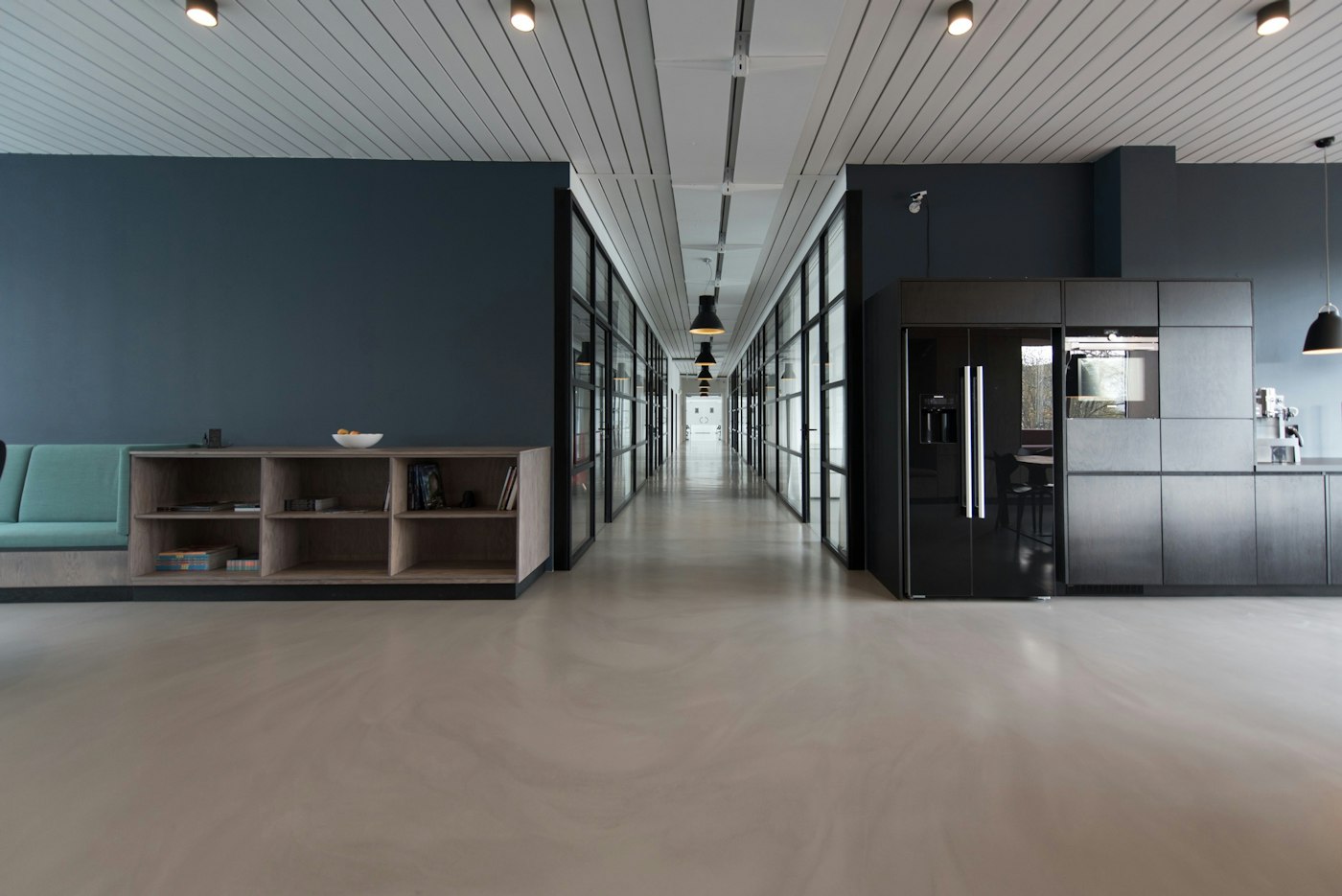
The space itself is what a coworking in a tropical climate should be — properly air-conditioned (not just "air-con exists"), enough natural light, and a clean, uncluttered layout that doesn't feel like you're sitting in someone's spare bedroom.
| Feature | Hatch Coworking | Notes |
|---|---|---|
| Air conditioning | Excellent | Consistent, not overpowered |
| Natural light | Good | Windows on working side; avoid facing screens |
| Hot desks | Yes | First-come, quiet area + social area |
| Dedicated desks | Yes (limited) | Lockable storage, reserve in advance |
| Private offices | Limited | Best to enquire directly |
| Meeting rooms | Yes | Bookable in advance; extra charge typical |
| Phone booths / quiet pods | Yes | For calls; limited number |
| Printing | Yes | Charged per page |
| Coffee & drinks | Yes | Coffee available; quality is decent |
| Lockers | Yes | Day use and monthly storage |
| Showers | Check with venue | Useful for post-gym/bike commuters |
The atmosphere skews professional over café-social. People are generally heads-down working, which is the point. You won't be constantly interrupted by backpackers on Instagram or tourists comparing temples. It's a place where people are actually there to work.
Internet: The Number One Priority
This is always the first question from remote workers, so let me deal with it directly. Hatch runs on fibre broadband. Speeds typically range from 100–300 Mbps download during normal hours. For Zoom/Teams calls, the upload is generally solid. I've run video calls from here without issues on many occasions.
Peak hours (10am–2pm) can see some dip if the space is busy — this is true of virtually every coworking space anywhere. If you're doing something bandwidth-intensive (large file uploads, live streaming), test first or go early morning. There's also usually a backup connection, but confirm this with them directly for anything mission-critical.
Membership Options & Pricing
Pricing at coworking spaces in Phuket shifts regularly — more so since COVID reshuffled the market — so treat the figures below as a guide and verify directly with Hatch for current rates.
| Option | Approx. Price (THB) | Best For |
|---|---|---|
| Day pass | ฿350–฿450 | Occasional users, visitors testing the space |
| 10-day bundle | ฿2,800–฿3,500 | Part-time remote workers, 2–3 days/week |
| Monthly hot desk | ฿3,500–฿5,000 | Full-time remote workers on a budget |
| Monthly dedicated desk | ฿5,500–฿7,500 | Those wanting a permanent, personalised space |
| Meeting room (per hour) | ฿300–฿600 | Client calls, team meetings |
Compared to equivalent spaces in Bangkok or even Chiang Mai, these prices are very reasonable. Compared to working from a café, the all-in cost (membership vs daily coffees + unreliable WiFi + guilt) is often similar or cheaper once you factor in lost productivity from café-related disruptions.
Expats on Non-B or Thailand Elite visas often use coworking memberships as part of their general monthly budget — see our guide on working remotely from Phuket for the full picture on costs and visa considerations.
📬 The Phuket Insider — Free Weekly Tips
Join 5,000+ expats getting our free weekly Phuket insider tips — coworking deals, visa updates, housing alerts, and what's actually happening in each neighbourhood.
Community & Events
One thing that distinguishes Hatch from a café-with-desks is the community element. Regular events — casual networking evenings, skills workshops, occasional speaker nights — create an environment where you can actually meet other professionals in Phuket.
If you've just moved to the island and you're wondering how you're going to meet people who aren't either beach bar regulars or retired golfers, a coworking membership is genuinely one of the better answers. The cross-section of people who use Hatch includes software developers, marketers, consultants, copywriters, designers, and small business owners — people doing real work, often internationally.
The Phuket digital nomad community has grown significantly, and Hatch is a natural gathering point for the southern half of the island. The Bang Tao and Kamala crowd tend to cluster around coworking spaces further north — see Coconut Coworking in the Bang Tao area for that end of the island.
Networking Value
Six years of living here has taught me that most business connections in Phuket come through proximity, not LinkedIn. If you're trying to build a client base in Thailand, find a local accountant or lawyer, or just meet people who understand the realities of life as a foreign worker here, showing up regularly to a coworking space accelerates all of that considerably faster than going it alone from home.
Who Hatch Is (and Isn't) Right For
Hatch works well for:
- Remote employees who need reliable internet for daily calls and don't want to risk home WiFi
- Freelancers who want structure in their work day and human contact during it
- Expats based in Rawai, Nai Harn, Kata, Chalong, or Karon — all within easy reach
- Small business owners running a local Thailand operation who want a professional address and meeting space
- Newly arrived expats who want to meet the professional community quickly
Hatch may not suit:
- Those based in Bang Tao, Laguna, or Surin — the commute from north Phuket doesn't make sense when there are good options closer
- People who need a large dedicated private office — Hatch's sweet spot is open-plan
- Anyone doing extremely noise-sensitive work all day (audio recording, broadcast, etc.)
- Those looking for 24/7 unlimited access at the cheapest possible price — café hopping may win on pure cost if you have that much flexibility
🌍 Working Remotely from Phuket? Sort Your Health Cover First
The most common mistake remote workers make is assuming their home country's insurance covers them in Thailand. It doesn't. Get a proper expat health insurance quote before you need it.
Get a Free Health Insurance Quote →How Hatch Compares to Other Phuket Coworking Options
The Phuket coworking market has several credible players, each with different strengths. Here's an honest comparison for south Phuket-based workers:
| Space | Best Area | Monthly Hot Desk (approx.) | Vibe |
|---|---|---|---|
| Hatch Coworking | South (Chalong) | ฿3,500–฿5,000 | Professional, focused |
| Coconut Coworking | North (Bang Tao) | ฿3,800–฿5,500 | Community, creative |
| CAMP/True Café | Island-wide | Free with purchase | Café, unreliable peak-hours |
| Various Bang Tao spaces | North Phuket | ฿4,000–฿6,500 | Nomad-heavy, social |
| Home + VPN setup | Anywhere | ฿800–฿1,500 (internet) | Cheapest but isolated |
See the full comparison of all Phuket coworking spaces for a more detailed breakdown including Phuket Town options. For internet speeds and home setup tips, see our Phuket internet and WiFi guide.
Practical Tips for Using Hatch
- Book meeting rooms in advance. On Mondays and Thursdays (popular call days), the meeting rooms fill up. Don't assume you can walk in and grab one for a 2pm Zoom.
- Arrive early or after 2pm for the best desk selection. The 9–11am rush is real.
- Bring your own headphones — the open-plan area is quiet, but background noise during a call will be noticed by the other end.
- Ask about the events calendar when you sign up. The networking events alone can justify the membership for anyone new to Phuket.
- Verify current prices before committing — coworking pricing in Phuket is not stable and changes seasonally.
The Verdict
Hatch Coworking is the best dedicated work space for expats in south Phuket right now. The location serves the large Rawai/Nai Harn/Chalong community well, the internet is reliable, the atmosphere is professional without being sterile, and the community value is real if you engage with it.
It's not cheap compared to working from home, but for what you get — reliable infrastructure, human contact, a professional address, and the discipline that comes with leaving the house — it's worth it for most remote workers. At ฿3,500–฿5,000 per month, it's also less than the cost of café-hopping every day if you're buying coffees and lunches at each stop.
If you're setting up life as a long-term expat or remote worker in Phuket, sort your visa situation, bank account, and health insurance first — then get a coworking membership to stop working in your kitchen in your pyjamas. It makes a bigger difference to your productivity and wellbeing than you'd expect.
Need help setting up your work life in Phuket?
Visa options, company setup, insurance, banking — there's a lot to navigate. We can help you work through it in order.
Book a Free 30-Min Consultation →