Living in Rawai for the past six years, the beach is part of daily life for most expats here — but Phuket's 40-plus beaches are emphatically not equal when it comes to swimming. Some are picture-perfect for photos and genuinely dangerous to enter. Others look unremarkable but have calm, clear water 10 months of the year. Knowing the difference matters, especially if you're bringing children or arriving during monsoon season.
This guide gives you an honest, beach-by-beach assessment based on what expats and long-term residents actually experience — not stock tourism descriptions. I've included seasonal conditions, the flag system, rip current information, and a comparison table so you can choose the right beach for the right day.
⚠️ Monsoon Safety Warning
Phuket's west-coast beaches face the Andaman Sea directly, making them beautiful in dry season and dangerous May–October. Red flags are not suggestions — people drown every year ignoring them. During monsoon, head to the east coast (Chalong, Ao Yon) or wait for a calm morning window before entering the water.
Phuket's Beach Calendar: Dry Season vs Monsoon
Phuket has two distinct swimming seasons driven by the southwest monsoon. Understanding this rhythm is the single most important thing for beach safety on the island.
| Month | Season | West Coast | East Coast | Water Temp |
|---|---|---|---|---|
| November | Dry begins | ✅ Safe | ✅ Safe | 28–29°C |
| December | Peak dry | ✅ Excellent | ✅ Safe | 28°C |
| January | Peak dry | ✅ Excellent | ✅ Safe | 27–28°C |
| February | Peak dry | ✅ Excellent | ✅ Safe | 27°C |
| March | Dry | ✅ Very good | ✅ Safe | 28°C |
| April | Dry / transitional | ✅ Good | ✅ Safe | 29–30°C |
| May | Monsoon begins | ⚠️ Variable | ✅ Generally safe | 29–30°C |
| June | Monsoon | 🔴 Hazardous | ⚠️ Caution | 29°C |
| July | Monsoon peak | 🔴 Dangerous | ⚠️ Caution | 28–29°C |
| August | Monsoon peak | 🔴 Dangerous | ⚠️ Caution | 28°C |
| September | Monsoon | 🔴 Hazardous | ✅ Generally safe | 28°C |
| October | Late monsoon | ⚠️ Variable | ✅ Good | 29°C |
The west coast of Phuket — where the famous beaches are — faces the Andaman Sea and takes the full force of the southwest monsoon from roughly May through October. The east coast, facing Phang Nga Bay, is far more sheltered; areas like Chalong, Ao Yon, and Laem Panwa remain swimmable much of the year but lack the open-ocean drama of the west.
Understanding Phuket's Beach Flag System
Thailand's beach flag system is standardised across lifeguarded beaches. Knowing what the flags mean is non-negotiable if you're swimming at any Phuket beach.
Green Flag
Safe swimming conditions. Calm water, no significant hazards. Go in.
Yellow Flag
Swim with caution. Moderate currents or surf. Weak swimmers should stay close to shore.
Red Flag
No swimming. Dangerous conditions — strong rip currents, large surf, or hazardous weather. Do not enter the water.
Red & Yellow Flags (Paired)
Designated safe swimming zone with active lifeguard patrol. Always swim between these flags.
ℹ️ Rip Current Survival Tip
If caught in a rip current, never swim directly against it — you'll exhaust yourself. Swim parallel to the beach until you're clear of the current, then angle back to shore. Rip currents are narrow channels; swimming 20–30 metres sideways usually breaks you free. Raise your arm to signal for help if exhausted.
The Best Swimming Beaches in Phuket — Rated
Here's an honest rating of Phuket's main beaches for swimming, based on dry-season conditions unless noted. Ratings consider water clarity, wave height, current risk, crowd levels, and facilities.
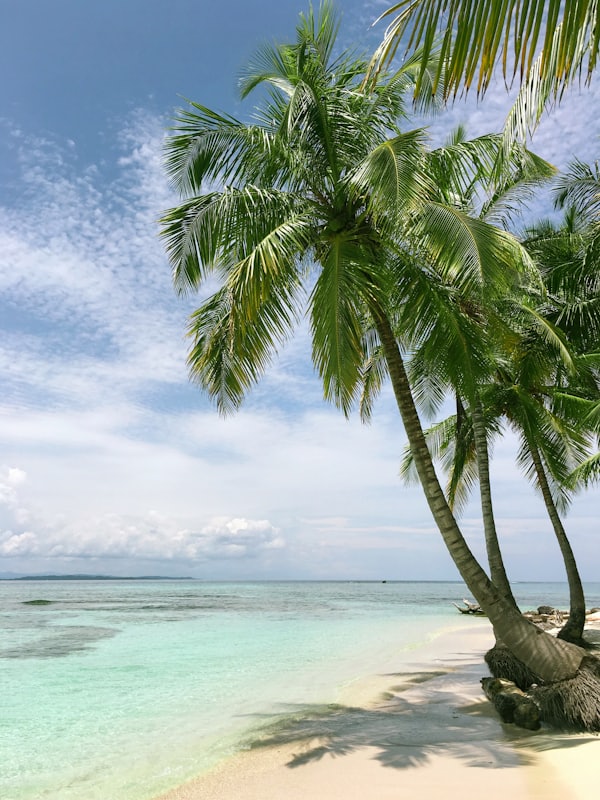
Nai Harn Beach
Protected bay with naturally calm water even when other beaches are rough. The surrounding headlands block much of the swell. Clean white sand, clear turquoise water, and a real local crowd alongside tourists. Local expats' #1 pick. Parking can be tight; arrive early or walk from the lake road.
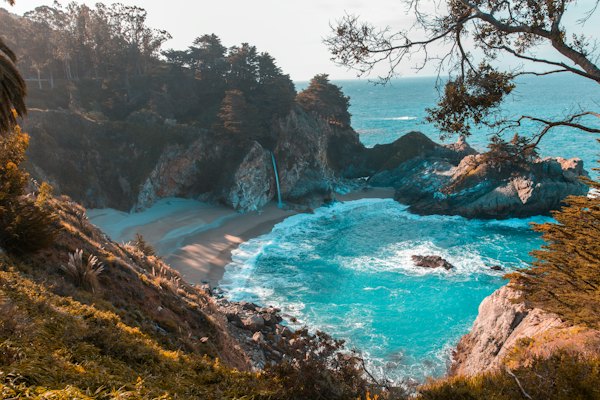
Kata Noi Beach
Phuket's most consistently beautiful swimming beach. Small cove with crystal-clear water, soft white sand, and never overcrowded. Slightly more wave action than Nai Harn — excellent for confident swimmers and beginners with small surf. Very popular with expats living in Kata/Karon.
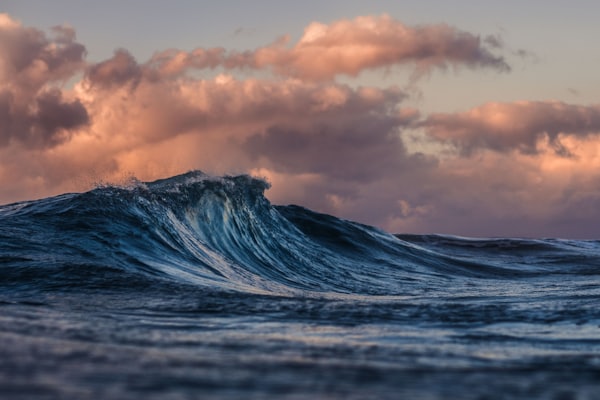
Kamala Beach
Long, gentle 2km beach with a very gradual sandy bottom — excellent for families with young children. The shallow entry extends far out before getting deep. Relaxed, local-flavour village behind the beach. One of the calmest big beaches in Phuket during dry season.
Bang Tao Beach
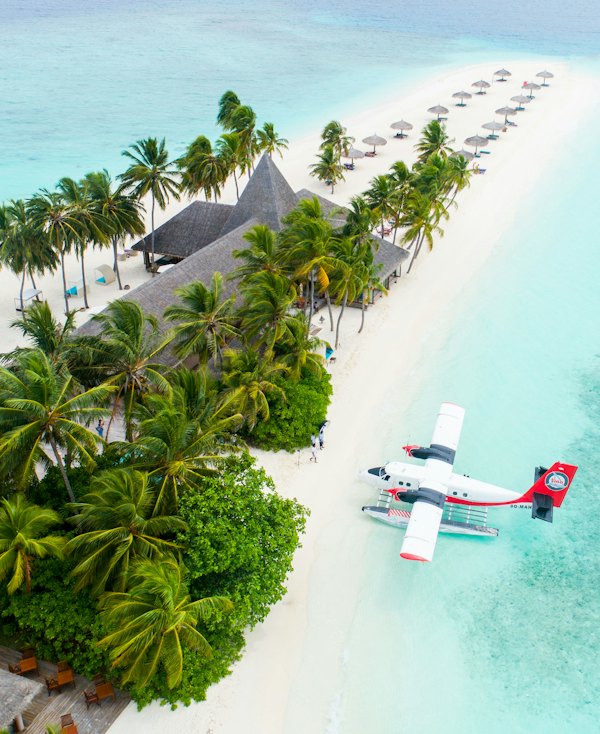
Six kilometres of beach with very different character at each end. The Laguna/Cassia end (south) is calm and family-friendly. The northern stretch near Layan gets more swell. Excellent if you want space — even in high season you can find a quiet 100m stretch all to yourself. Good for longer open-water swimmers.
Surin Beach
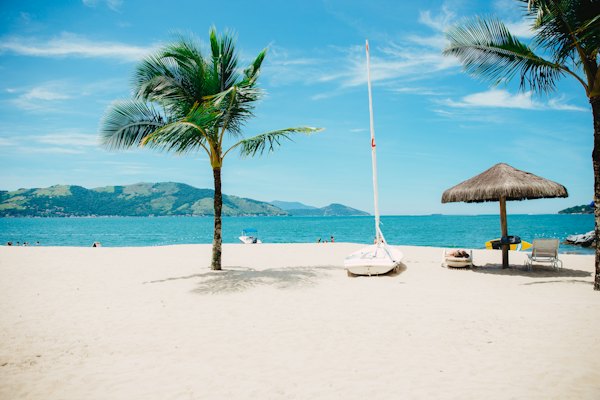
Gorgeous, photogenic beach backed by casuarina trees and the Surin Hills. Water is usually swimmable in dry season but Surin gets more wave action than Kamala or Nai Harn — not ideal for inexperienced swimmers. The restaurant scene here (Catch Beach Club, Baba Nest area) is excellent. Arrive before 10am for parking.

Kata Beach
Kata's main beach (bigger sister to Kata Noi) has more consistent wave action, making it Phuket's best surf-lesson location. The central section near the lifeguard tower is safest for swimming. Well-organised beach facilities. Gets busy mid-season but never as overcrowded as Patong.
Quick Beach Comparison Table
| Beach | Swimming Safety | Family Friendly | Crowds | Facilities | Area |
|---|---|---|---|---|---|
| Nai Harn | ⭐ Excellent | ✅ Yes | Moderate | Good | Rawai/Nai Harn |
| Kata Noi | ⭐ Excellent | ✅ Yes | Low–Medium | Limited | Kata/Karon |
| Kamala | ✅ Very Good | ⭐ Best | Low | Good | Kamala |
| Bang Tao (south) | ✅ Good | ✅ Yes | Low–Medium | Good | Bang Tao/Laguna |
| Surin | ⚠️ Moderate | ⚠️ With care | Medium | Excellent | Surin/Cherng Talay |
| Kata (main) | ⚠️ Moderate | ✅ Central zone | Medium–High | Excellent | Kata/Karon |
| Karon | ⚠️ Moderate | ⚠️ With care | Medium | Good | Kata/Karon |
| Patong | ⚠️ Variable | ❌ Not ideal | Very High | Excellent | Patong |
| Rawai | ❌ Not for swimming | ❌ No | Low | Seafood restaurants | Rawai/Nai Harn |
| Nai Yang | ✅ Good | ✅ Yes | Very Low | Basic | North Phuket |
Beach Profiles: The Ones Locals Actually Use
Nai Harn — The Expat Favourite
Ask any long-term expat in Rawai where they swim and the answer is almost always Nai Harn. The bay creates a natural shelter from ocean swells, giving you reliably calm, clear water from November through to May. There's a freshwater lake 200m from the beach for rinsing off, a good beachside café (Nai Harn Sea Food), and enough parking if you arrive before 9am. The rocks at the southern end are excellent for snorkelling during the dry season. During monsoon, even Nai Harn can fly a red flag on the worst days, but it's typically the last west-coast beach to go red.
Kata Noi — Small and Perfect
Kata Noi sits directly below the Kata Thani Hotel and is essentially a small, private-feeling cove. The water is some of the clearest on the island and the beach itself is pristine — no jet-ski operators, fewer beach vendors, and a more relaxed atmosphere than the main Kata beach above the headland. Best visited on weekday mornings when it genuinely feels uncrowded. The snorkelling around the southern rocks is excellent November–April.
Kamala — Best for Children
Kamala Beach is the undisputed winner for families with small children. The sandy bottom slopes so gradually that children can wade out 30–40 metres and still stand comfortably. The water is calm, the beach is clean, and the village behind has great local food options. This is also where Fantasea theme park is located if you're doing tourist-mode days. Expats living in Kamala and Cherng Talay are fortunate to have this as their local beach.
Bang Tao — Space and Serenity
Bang Tao's six-kilometre stretch rarely feels crowded even in December. The Laguna end (near Cassia Resort, Angsana, and Banyan Tree) is calm and clear. The middle section has a few beach clubs (Catch, Iniala). The northern stretch near Layan is wilder and more exposed. Good choice for longer swims if you want to cover some distance — set off south-to-north in the morning and walk back along the beach.
Beaches to Avoid for Swimming
Rawai — Fishing Village, Not Swimming Beach
Rawai is a working fishing beach and a great place to eat fresh seafood, hire a longtail boat to Coral Island, or watch the sunset. It is not a swimming beach. The water is shallow and murky, longtail boats come and go from the shore, and there's no lifeguard presence. Expats who live in Rawai village go to Nai Harn (10–15 minutes by motorbike) for swimming.
Patong During High Season
Patong is swimmable in dry season and has lifeguards, but the combination of jet-skis, parasailing boats, banana boats, and sheer beach density makes it stressful rather than relaxing. If you want facilities and nightlife, Patong is Phuket's engine — but for a peaceful swim, there are much better options within 20 minutes.
Monsoon Season Swimming: What Actually Works
May to October isn't a total beach write-off for residents. Here's what local expats actually do:
- Calm-morning windows: Monsoon days often start calm. A 7–8am swim at Nai Harn or Kamala on a day when the forecast shows moderate winds is frequently fine. The swell builds through the day.
- East-coast alternatives: Ao Yon (near Chalong), Laem Panwa, and the beaches near Ao Makham face east and are sheltered from the southwest monsoon. The water is calmer and clearer in these months than the tourist west-coast beaches.
- Coral Island (Koh Hae): The east-facing beaches of Koh Hae remain swimmable even in monsoon. Longtail boats run from Rawai Pier year-round (around 600–800 THB return).
- Swimming pools: Most condos and housing estates in Phuket have pools. Many expats simply shift to pool swimming June–September and reserve the beach for weekend day trips on calm days.
🏡 Living Near Your Favourite Beach
If beach access is important to your daily lifestyle, area matters enormously for rentals. Nai Harn and Rawai put you 5 minutes from the best swimming. Bang Tao/Laguna, Kamala, and Surin are all within walking distance of excellent beaches. See our Phuket area guides for neighbourhood breakdowns.
Beach Safety Tips for Phuket Expats
- Always check flags before entering — even on days that look calm from the road, conditions can change quickly near the water
- Swim between the red-and-yellow flags where lifeguards are watching
- Never swim alone at quieter or unpatrolled beaches, especially during monsoon
- Watch for jellyfish — box jellyfish and Portuguese man-o'-war appear occasionally; if you see others exiting and pointing, ask why before entering
- Sun protection — Phuket's UV index regularly reaches 11–12 (extreme) year-round; reef-safe sunscreen is recommended
- Respect the rip current rules — swim parallel to shore, not against the current
- Keep children in sight — even knee-deep water can knock over young children in wave conditions
- Don't drink and swim — alcohol is a contributing factor in most tourist drowning incidents at Thai beaches
Explore Phuket's Beach Areas
Each beach has its own neighbourhood character. Where you live affects which beach becomes your daily spot.
- Rawai & Nai Harn — Expat hub with Nai Harn beach on the doorstep
- Bang Tao & Laguna — Resort corridor with 6km of relatively quiet beach
- Kamala — Family favourite with the safest swimming for young children
- Surin & Cherng Talay — Upscale area near one of Phuket's most photogenic beaches
- Kata & Karon — Home to Kata Noi (Phuket's best all-round swimming beach) and lively Kata main
- Patong — Facilities, nightlife, and the busiest beach on the island
- Chalong — East-coast marina town with calmer year-round water
- Phuket Town — Inland base near east-coast beaches for monsoon swimming