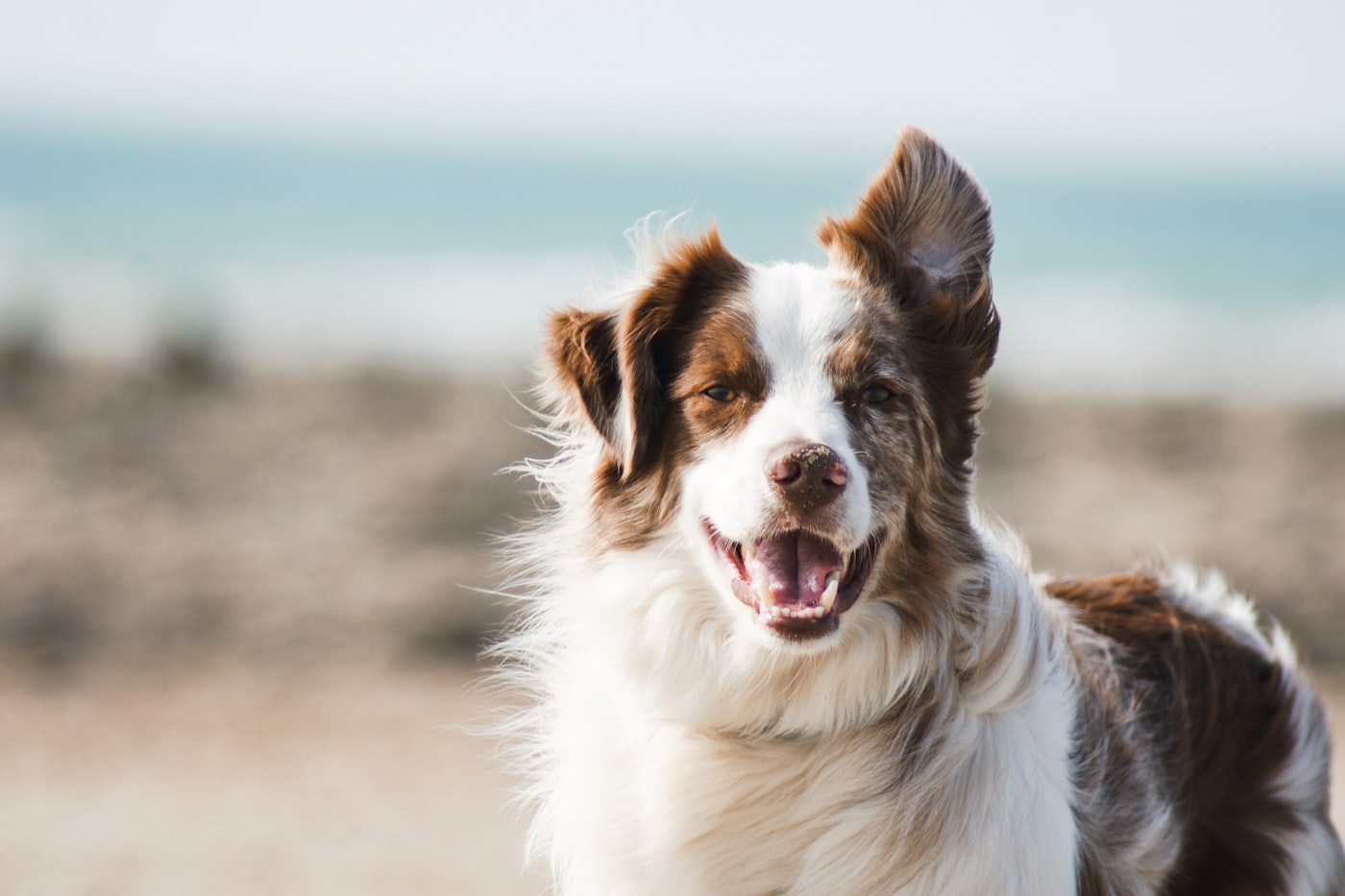
Within a few weeks of arriving in Phuket, you'll notice the animals. The gentle beach dogs napping in the sand at Nai Harn. The temple cats at Chalong's Wat Chalong. The rescue dog at the café in Rawai. Phuket has a deeply embedded culture of community animal care — and a healthy rescue ecosystem that makes adopting a local dog or cat completely achievable for expats.
I've seen dozens of expat friends adopt dogs and cats here. Some have even taken their Phuket rescues home to Europe or Australia when they eventually leave. This guide covers everything: where to find adoptable animals, what the process looks like, vet costs, and the honest practicalities of Phuket pet ownership.
- Main organisations: Soi Dog Foundation (Bang Tao), Animal Welfare Phuket/AWP (Chalong)
- Adoption donation: typically ฿0–฿3,000 (animal arrives vaccinated, sterilised, microchipped)
- Monthly vet costs: ฿500–฿1,500 for a healthy animal
- Boarding when travelling: ฿400–฿800/night
- Taking pet home when you leave: start planning 6–12 months ahead
- Rabies vaccination required: keep boosters current
Where to Find Adoptable Animals in Phuket
Soi Dog Foundation — Bang Tao
Soi Dog is the largest animal welfare organisation in Phuket and one of the most recognised in Southeast Asia. Their adoption centre is based in the Bang Tao area, not far from the Laguna complex. They primarily work with dogs and have a formal adoption process including a home check, adoption fee (donation-based), and post-adoption support. Soi Dog also runs an international rehoming programme for expats planning to return home. Website: soidog.org
Animal Welfare Phuket (AWP) — Chalong
AWP operates from a shelter near Chalong and focuses on both dogs and cats. Run largely by volunteers, AWP does excellent work with medical rescue cases and has a good network for finding forever homes. They also have regular "adoption days" listed on their Facebook page. They work closely with local vets and all animals are vaccinated and sterilised before or shortly after adoption.
Independent Rescues and Social Media Groups
A significant number of Phuket adoptions happen through expat social networks. Facebook groups including "Phuket Expats", "Phuket Animal Rescue" and "Soi Cats and Dogs Phuket" regularly post animals looking for homes — often strays that have been rescued and vet-checked by individuals. These adoptions are less formal than Soi Dog or AWP but can be equally legitimate. Always verify vaccination and sterilisation status with documentation before adopting informally.
The Adoption Process
Whether through Soi Dog, AWP or an independent rescue, the general process is:
- Browse available animals — check the organisation's website or Facebook page. Most maintain updated profiles of adoptable animals.
- Submit an application or express interest — formal organisations ask about your home situation, experience with animals, and plans (especially if you plan to leave Thailand within 2 years).
- Home visit or virtual check — some organisations do a home check or ask for photos. Particularly relevant if you're in a condo or rented property.
- Meeting the animal — visit the shelter and spend time with the animal before committing.
- Adoption agreement and donation — sign the adoption paperwork and pay the adoption donation.
- Take your new pet home — get a carrier, food, and vet contact sorted before collection day.
Vet Costs in Phuket: What to Budget
| Service | Cost (฿) | Notes |
|---|---|---|
| Annual rabies vaccination | 300–600 | Essential. Keep record of each booster. |
| Annual combination vaccine (dog/cat) | 500–900 | DHPPiL for dogs, FVRCP for cats |
| Monthly flea/tick/heartworm prevention | 300–700 | Use year-round, not seasonally |
| Microchip (if not already done) | 500–800 | Required for international travel |
| Standard consultation | 300–600 | Varies by clinic |
| Spay/neuter (if not done) | 2,000–6,000 | Depends on size and gender |
| Dental clean | 3,000–8,000 | Under anaesthetic; annual for older dogs |
| Minor surgery / X-ray | 5,000–20,000 | Emergency care can run higher |
| Boarding (per night) | 400–800 | Pet hotels in Rawai, Chalong, Bang Tao area |
Prices are 2026 Phuket estimates. Last updated: March 2026.
Recommended Vets in Phuket
Laguna Veterinary Clinic (Bang Tao) — well-equipped, English-speaking staff, popular with Laguna/Surin expats. Good for both routine care and emergencies.
Animal Welfare Phuket Clinic (Chalong) — connected to AWP, affordable, familiar with rescue animal histories.
Phuket Vet Hospital (near Chalong circle) — one of the larger facilities on the island with surgical capability.
Mission Hills Vet (Kamala area) — popular with the Bang Tao/Kamala expat community.
Pet-Friendly Rentals: The Honest Reality
Before you adopt, sort out your rental situation. Phuket is generally better for pet owners than most Asian cities — detached houses, villas and townhouses in areas like Rawai, Chalong, Bang Tao outskirts and Nai Harn are often pet-friendly. Condo buildings are more restricted; some prohibit all pets, others allow cats but no dogs, and a few allow small dogs with restrictions.
Always get pet permission in writing in your rental contract. A verbal "no problem" from a landlord becomes a problem when there's a neighbour complaint or the landlord changes. Many landlords ask for a pet deposit of ฿5,000–฿20,000 on top of the standard deposit, or a monthly pet fee of ฿500–฿2,000.
For more on Phuket rentals and what to check before signing, see the Phuket rental contract guide and the villa rental guide.
Phuket Hazards for Pets
- Rabies: Present in Thailand. Keep vaccinations current — annual boosters recommended. Any bite from an unknown animal warrants immediate vet attention.
- Heat: Walk dogs early morning or evening, never during midday. Flat-faced breeds (bulldogs, pugs) are at high risk of heat exhaustion.
- Snakes: Cobras and other venomous species are present in green areas. Keep dogs on leads in vegetation, especially around Chalong, Rawai outskirts and hillside properties.
- Ticks and tropical parasites: Year-round prevention required (not just seasonal). Use vet-recommended products — standard European/Australian flea treatments may not be adequate for Thai tick species.
- Soi dogs: Some territorial strays can be aggressive. Keep your dog on a lead when passing through stray dog groups, especially in Rawai and Patong areas.
Taking Your Phuket Pet Home When You Leave Thailand
This is the question every expat pet owner eventually faces. The short answer is: yes, it's possible, but start planning far earlier than you think.
Core requirements for export from Thailand: rabies vaccination, microchip, DLD export permit, and health certificate from a government-licensed vet. For countries with strict biosecurity requirements (Australia requires 180-day quarantine and a titer test; the UK requires a specific Health Certificate and accredited vet), planning 12 months in advance is not excessive.
The full details are covered in the bringing pets to and from Phuket guide, which includes country-by-country requirements and cost estimates.
Whether you're adopting your first Phuket rescue or planning to take a pet home, we can point you to the right resources. Ask us — first question is free →
Summary: Is Adopting a Pet in Phuket Right for You?
Phuket is genuinely one of the better places in Southeast Asia to be a pet owner as an expat. Good vets, established rescue infrastructure, and a community that takes animal welfare seriously make the practicalities manageable. The key questions to ask yourself honestly:
- Is my rental situation pet-friendly — or can I find one that is?
- Do I travel frequently? (Boarding costs add up, or you need a trusted pet-sitter)
- How long do I plan to stay in Phuket? If less than 2 years, think carefully about export implications.
- Can I budget ฿1,000–฿3,000/month in ongoing vet and care costs?
If the answers work, Phuket's rescue animals make wonderful companions. The Lifestyle hub and the expat community guide have more on life in Phuket beyond the practicalities.
