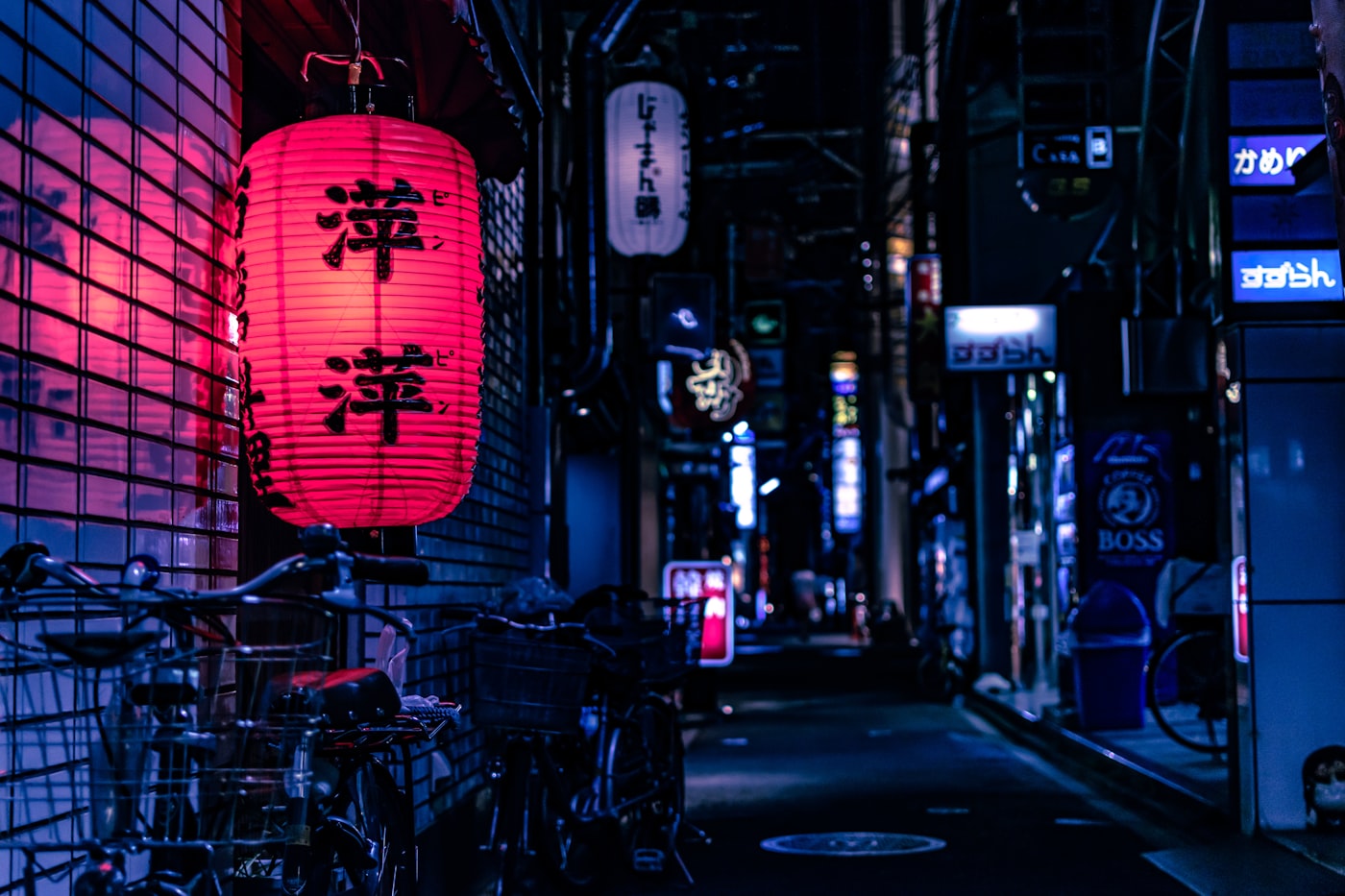
After six years in Phuket, I'm still learning things about Thai culture. But I've also watched enough newcomers inadvertently cause offence — or worse, get into legal trouble — that I want to write the honest, practical guide that most "etiquette" articles are too cautious to give.
The good news: Thai people are genuinely forgiving of cultural mistakes from foreigners. The standards are not as rigid as in Japan, for example. But there are a few areas — the royal family, temples, monks — where the consequences of getting it wrong are genuinely serious. And in day-to-day social life, understanding how face-saving and conflict-avoidance work makes everything in Phuket considerably easier.
The Royal Family — Lèse-Majesté is Not a Joke
Section 112 of Thailand's Criminal Code (lèse-majesté) makes it a criminal offence to defame, insult or threaten the King, Queen, heir-apparent or regent. The penalty is 3–15 years in prison per count. Foreigners are not exempt — several have been arrested, imprisoned and/or deported.
Do not make negative comments about the royal family in public, in conversations others could overhear, on social media, or in any digital communication. This applies to reposting, sharing, or liking content that could be construed as critical. When the national anthem plays (8am and 6pm at public places), stand still and quietly. When a film shows the royal anthem before it begins, stand — even if you're the only farang standing.
The Wai — Thailand's Greeting
The wai (ไหว้) is the Thai greeting — hands pressed together at chest or face level, a slight bow. Understanding when and how to wai is one of the most practical things you can learn in Phuket.
Wai Hierarchy
The wai communicates social hierarchy. The person of lower social status initiates the wai; the senior returns it. The higher the hands and deeper the bow, the greater the respect shown. Monks receive the highest wai (hands at the forehead).
- Wai monks — always, with a deep bow and hands at forehead
- Wai elders — when meeting someone clearly older, a respectful wai is appropriate
- Return a wai — if someone wais you, return it with a smaller version (lower hands) if they are clearly your social junior
- Wai service staff — technically unnecessary but many expats do it as a courtesy and it's appreciated
- Don't wai children — it puts them in an awkward social position
- Wai at temples — always wai when entering a temple and when passing significant Buddha images
If you're unsure whether to wai — a smile and a slight head nod is always acceptable and universally well-received. Thais understand that foreigners aren't always versed in wai etiquette.
Temple Etiquette in Phuket
Phuket has dozens of beautiful temples worth visiting — Wat Chalong (largest Buddhist temple, Chalong junction), Wat Phra Thong (Thalang), and dozens of smaller community wats in every neighbourhood. Here's how to visit respectfully:
✅ Do
- Cover shoulders and knees (both men and women)
- Remove shoes before entering buildings
- Sit cross-legged or with feet pointing away from Buddha images
- Speak quietly
- Wai when entering the main shrine
- Dress conservatively (sarongs provided at entrance if needed)
- Ask permission before photographing monks
❌ Don't
- Point feet toward Buddha images or monks
- Touch Buddha statues (especially the head)
- Enter when dressed in shorts or sleeveless tops
- Climb on statues for photos
- Be loud or disruptive
- Women: touch or hand things directly to monks
- Take photos during active religious ceremonies without consent
Monks and Women
Buddhist monks are forbidden by Vinaya (monastic code) from being touched by women or receiving anything directly from a woman's hand. This is not discrimination — it's a religious observance. In practice:
- Women should never touch a monk, even accidentally
- If a woman wants to give something to a monk, she places it on a cloth or surface first, or hands it to a man who then gives it to the monk
- On public transport, women should not sit next to a monk if there are other seats available
- Female monks (mae chee, in white robes) do not have the same rules — they can receive things directly
The Head, Feet, and Body Zones
In Thai culture, the head is spiritually the highest part of the body, and the feet are the lowest. This has practical implications:
- Never touch someone's head — even children, even affectionately. This is considered deeply rude.
- Don't point feet at people or sacred objects — pointing feet at someone is considered offensive. In a social setting, tuck your feet away or sit cross-legged.
- Don't step over someone — if someone is sitting on the floor, walk around them rather than stepping over them.
- Remove shoes when entering Thai homes, temples, and many businesses. If you see shoes outside a door, remove yours.
Face (หน้า) and Conflict Avoidance
Understanding "face" — the social concept of maintaining dignity and reputation in public — is probably the most practically important aspect of Thai culture for a Phuket expat.
Never Embarrass Someone in Public
Causing someone to lose face in front of others is one of the most serious social errors you can make. Even if you're absolutely right in a disagreement, publicly calling someone out — raising your voice, arguing aggressively, pointing out a mistake loudly — damages the relationship in a way that may never fully recover.
In Phuket's expat context, this matters with:
- Landlords (incorrect bill, maintenance disputes)
- Service staff (wrong order, overcharge)
- Contractors and tradespeople
- Neighbours (noise, parking)
- Immigration officials
The correct approach in all of these situations: address the issue calmly, privately, with a smile where possible. "I think there may be a small misunderstanding" goes much further than "This is wrong." Thais call it jai yen (cool heart) — staying composed even when frustrated.
💡 Practical tip: When a Thai person says "Mai pen rai" (ไม่เป็นไร — "it's okay / never mind"), they sometimes mean it literally and sometimes mean the opposite. Context and body language matter. If someone says mai pen rai but looks uncomfortable, the issue is not resolved — it's been avoided to preserve face. Find a quiet moment to address it directly.
Phuket's Hokkien Chinese Culture
Phuket is not typical mainland Thailand. Roughly 35% of Phuket's population is of Chinese descent, primarily Hokkien (Fujian province), and this shapes the island's culture in visible ways that a long-term expat should know about.
What Makes Phuket Different
- Vegetarian Festival (Gin Jay, October) — Nine-day Taoist festival. Streets in Phuket Town are decorated with yellow flags and vendors serve only vegan food (看素食). The firewalking and extreme body piercing rituals at Jui Tui Shrine (Ranong Road) and Bang Neow Shrine (Phang Nga Road) are genuine religious observances, not tourist performances.
- Hokkien food culture — Mee hokkien (wok-fried yellow noodles with pork), oh tao (oyster omelette), dim sum on Ranong Road — these are Phuket Town's unique culinary heritage, not generic Thai food.
- Chinese spirit houses — More elaborate than elsewhere in Thailand, often with offerings of food, incense and paper money. Do not disturb or mock these.
- Chinese New Year — Celebrated more visibly in Phuket Town than most of Thailand, with lion dances and firecrackers in the Old Town streets.
- Peranakan/Sino-Portuguese architecture — The shophouses of Thalang Road, Dibuk Road and Phang Nga Road reflect this heritage. Phuket Town's Old Town area is a UNESCO-recognized heritage zone.
Quick Reference: Dos and Don'ts
| Situation | Correct Behaviour | Why It Matters |
|---|---|---|
| Meeting a Thai elder | Wai, let them speak first | Age commands respect |
| Entering a temple | Cover up, remove shoes, wai the main shrine | Religious observance |
| Dispute with landlord/staff | Address quietly, privately, calmly | Face-saving — public conflict damages the relationship |
| National anthem (public places) | Stand still and respectfully | Legal and social expectation |
| Touching someone | Avoid touching the head; OK to touch arm/shoulder briefly in conversation | Head is spiritually highest |
| Sitting near a monk (woman) | Don't sit directly next to or hand things directly to a monk | Vinaya monastic rules |
| Bargaining at markets | Smile, be friendly, accept "no" graciously | Aggressive bargaining is embarrassing to both parties |
| Entering a Thai home | Remove shoes if you see others have | Cleanliness and respect |
| Pointing with fingers | Point with open hand, not a single finger | Single finger pointing is considered rude |
| Royal family comments | Never negative in any form | Criminal law — serious consequences |
Practical Day-to-Day Customs
Beyond the big cultural rules, a few practical customs matter in everyday Phuket expat life:
- Smile — Thailand is the "Land of Smiles" not as a tourist cliché but as a genuine cultural value. A smile is the default lubricant of social interactions. Return smiles, use them to defuse tension.
- Eating — Thai meals are communal. Ordering 2-3 dishes to share at the centre of the table is more common than individual plates. It's polite to wait until everyone is served before eating.
- Tipping — Not obligatory in Thailand, but appreciated. ฿20–฿50 in local restaurants, 10% in mid-range or western restaurants if service was good. Coin tips are considered slightly insulting in upmarket venues.
- Modesty in dress — Phuket is a beach resort so shorts and swimwear are normal near the beach. But covering up when shopping in local markets, visiting temples or meeting Thai neighbours/officials is respectful and appreciated.
- Sanuk (fun) — Thais prioritise sanuk (the quality of fun/enjoyment) in social settings. Work should have sanuk. Conversations should have sanuk. Being too serious, overly intense or complaining is a social negative.
Navigating Life in Phuket — Ask a Resident
Cultural, visa or practical questions? Book a 30-minute consultation with a 6-year Phuket resident. First question always free.
Ask a Question →