Contents
An average of 20–30 tourists drown in Phuket each year, most during monsoon season when red flags are flying. Respecting beach flags is not optional — it saves lives. This guide will help you understand the risks and stay safe year-round.
I've been swimming in Phuket's waters since 2018, and the difference between the dry and wet season is extraordinary. In January, Nai Harn looks like a lake — you could swim for an hour in flat, warm water. In August, the same beach has chest-high shore break and rip currents that can exhaust you in under a minute. Understanding those seasonal swings is the first step to staying safe.
The Beach Flag System
Phuket officially uses a four-colour flag system managed by lifeguards at patrolled beaches. Most patrolled beaches have guards from 8am to 6pm. After hours, swim at your own risk — there's no rescue service once the guards leave.
| Flag Colour | Meaning | Action |
|---|---|---|
| 🟢 Green | Safe conditions — calm water | Swim freely |
| 🟡 Yellow | Caution — some waves or current | Swim carefully, stay close to shore |
| 🔴🟡 Red/Yellow | Lifeguard patrolled zone | Swim between the flags only |
| 🔴 Red | No swimming — dangerous conditions | Do not enter the water |
| ⚫ Black/white checkered | Surfing zone | No swimming — surfers only |
Local tip: Even when a red flag is flying, local beach vendors sometimes stay silent as tourists wade in. The flag is the authority — not the absence of warnings from those nearby. During peak monsoon (July–September) I've seen tourists ignore red flags at Kata Beach and be pulled offshore within minutes.
Lifeguarded beaches in Phuket include: Patong, Karon, Kata, Kata Noi, Nai Harn, Surin, Bang Tao, Kamala, and Rawai (limited). Smaller beaches like Ao Yon, Yanui, and Freedom Beach typically have no lifeguards.
Rip Currents: How to Spot & Escape
Rip currents are the most dangerous hazard at Phuket beaches during monsoon season. They're narrow channels of fast-moving water flowing away from shore — often invisible until you're in one.
How to spot a rip current before you swim
- Discoloured water — often darker or murkier than surrounding water
- A gap in the breaking waves with less foam and chop
- Water moving seaward between two shallow sandbars
- Floating debris (seaweed, foam) moving steadily away from shore
- Choppy, choppy confused surface where the rip exits
If you get caught in a rip
- Don't panic and don't fight it. Trying to swim directly against the current exhausts most swimmers within 60–90 seconds.
- Float. Rip currents push you offshore, they don't pull you under. Float face up if you need to rest.
- Swim parallel to shore to escape the narrow rip channel, then swim diagonally back in.
- Signal for help. Wave one arm in the air and call for the lifeguard if you're tired.
- Ride it out. Many rips end 50–100 metres offshore, where you can swim back in safely.
Karon, Patong (northern end), Kata (near the rocks on the north side), and Nai Harn all have documented rip current hot spots. Bang Tao's southern end has a notorious channel rip during high surf. Check with lifeguards on arrival about current conditions.
Beaches by Season

Nai Harn
✅ Safe most of yearBay shape protects from worst swell. Lagoon section calm even in monsoon. Lifeguards Nov–Apr. One of Phuket's safest year-round options.
Kata Beach
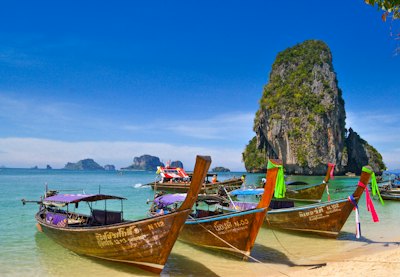
⚠️ Seasonal cautionSafe Nov–Apr. Popular surf beach May–Oct. Watch for rocks on north end and rip channel on south side during swell season.
Patong
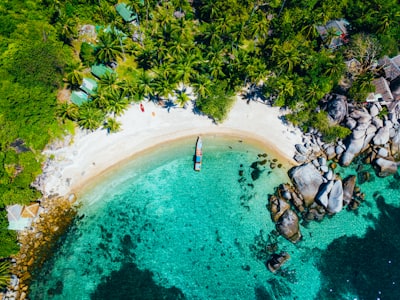
⚠️ Seasonal cautionBest-patrolled beach in Phuket (most lifeguards). Safe Nov–Apr. Can have strong shorebreak and rips May–Oct. Follow flags.
Karon
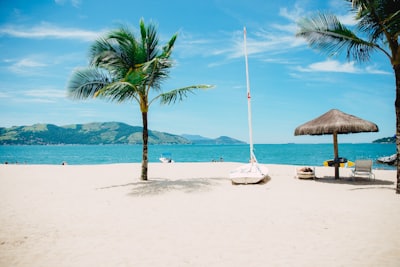
🔴 High risk May–OctLong open beach with consistent rip currents during monsoon. Multiple drowning incidents recorded here. Respect red flags absolutely.
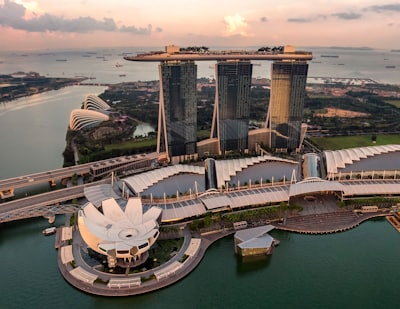
Bang Tao
⚠️ Seasonal cautionLong 8km beach — conditions vary by section. North end calmer. Laguna beach section better patrolled. Southern channel rip during large swell.
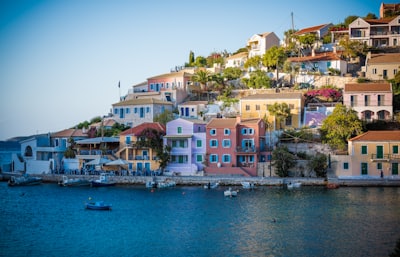
Rawai & Ao Yon
✅ Year-round calmEast-facing or south-sheltered bays. Protected from Andaman swell. Rawai is more for boat access than swimming; Ao Yon is a genuine safe swimming bay.
Jellyfish & Marine Hazards
Jellyfish in Phuket are a real seasonal concern, particularly during monsoon season when warmer currents bring more activity. The good news: most stings are from moon jellyfish (Aurelia aurita), which cause mild irritation. The bad news: box jellyfish are present.
| Species | Risk Level | Season | Treatment |
|---|---|---|---|
| Moon jellyfish | Low (mild sting) | Year-round | Rinse with seawater, cold pack |
| Lion's mane (large) | Moderate | May–Oct | Remove tentacles carefully, vinegar rinse |
| Box jellyfish (Chironex) | HIGH — potentially fatal | May–Oct | Call 1669 immediately, vinegar, immobilise |
| Irukandji (small box) | HIGH — delayed reaction | May–Oct | Seek medical attention even if mild initial sting |
| Portuguese Man O'War | Moderate–High | After storms | Do NOT touch beached specimens, vinegar, antihistamine |
Other marine hazards
- Sea urchins: Common on rocky sections (Kata rocks, Yanui, Promthep Cape area). Wear reef shoes when walking on rocks. Urchin spines need medical removal — don't try to dig them out yourself.
- Stonefish: Rare but present near rocky seabeds and coral. Shuffle your feet when entering shallow water over sand/rock. Extremely painful sting — requires hospital treatment with antivenom.
- Weever fish (dragonfish): Buried in sand near shore. Shuffle your feet in shallow water.
- Coral cuts: Treated with antiseptic immediately — Phuket's humidity means coral wounds can become infected within hours.
Jellyfish first aid kit: Keep a small bottle of white vinegar and antihistamine tablets in your beach bag during monsoon season. Bangkok Hospital Phuket on Hongyok Uthit Road and Siriroj Hospital on Yaowarat Road are the nearest emergency facilities for serious stings.
Monsoon Waves & Surf Season
May to October is monsoon season on Phuket's west coast. The Andaman Sea transforms from the flat turquoise water of postcards into a powerful swell machine. For surfers this is excellent news — waves at Kata Beach regularly reach 1–2 metres, with occasional 3-metre sets. For casual swimmers, it's a period to exercise real caution.
The shift can be sudden. I've seen Kata Beach go from calm and green-flagged to red-flagged with 1.5-metre shore break within six hours as a storm system moved in. During May and June (the transition months) conditions can change day to day. Check with lifeguards every single time, regardless of what it looked like yesterday.
Surf beaches (safe for experienced surfers, not casual swimmers)
- Kata Beach: Most consistent surf in Phuket. Kata Surf School operates here May–October. Good reef break at north end.
- Kalim Beach (north of Patong): Right-hand reef break. More powerful than Kata, for experienced surfers.
- Nai Harn: Occasional surf conditions. Less consistent than Kata but can get good.
- Surin: Can have powerful shore break during large swell. Not a surf break — just hazardous.
Swimming with Children in Phuket
Phuket's waters are excellent for children in dry season — warm, calm, shallow for quite a distance at many beaches. During monsoon season, extra precautions apply. My own approach with young children visiting: east coast or pool-only during August and September.
- Best beaches for young children: Nai Harn (south bay lagoon section), Ao Yon (sheltered, shallow), Rawai (calm, very shallow at low tide), Kamala (central section, gentle shore).
- Swim vests and inflatables: Children should wear swim vests even in calm water. Never use floaties/armbands as a substitute for adult supervision — a child in a float tube can be taken offshore faster than adults can react.
- Depth deception: Phuket's beaches have very gradual sand slopes but can suddenly deepen. Waves appear less threatening from shore than they are in the water. Always accompany children personally.
- Splash pads and pools: For families during monsoon, hotel pools, Splash Jungle Water Park (Mai Khao), and Waterfall at Central Festival are safer alternatives.
Beach Emergencies & Emergency Contacts
| Service | Number | Notes |
|---|---|---|
| General Emergency | 1669 | Ambulance / rescue |
| Tourist Police | 1155 | English-speaking operators |
| Phuket Police | 191 | General police |
| Bangkok Hospital Phuket | 076-254-425 | 24hr ER, Hongyok Uthit Rd |
| Siriroj Hospital | 076-222-704 | 24hr ER, Yaowarat Rd |
| Vachira Phuket Hospital | 076-361-234 | Government hospital, ER available |
| Marine Rescue (MMSI) | 076-211-882 | For boat/offshore emergencies |
CPR training is worth doing if you spend significant time near Phuket beaches. The Thai Red Cross offers courses at Phuket Hospital and various expat community groups organise sessions. By the time an ambulance arrives from Patong or Chalong, 5–8 minutes may have passed — bystander CPR matters.
Nearest hospitals to popular beaches: Patong/Kamala → Bangkok Hospital Phuket (Hongyok Uthit Rd). Kata/Karon/Nai Harn → Siriroj Hospital (Yaowarat Rd). Bang Tao/Surin → Bangkok Hospital Phuket or Thalang Hospital. Rawai → Vachira or Bangkok Hospital.