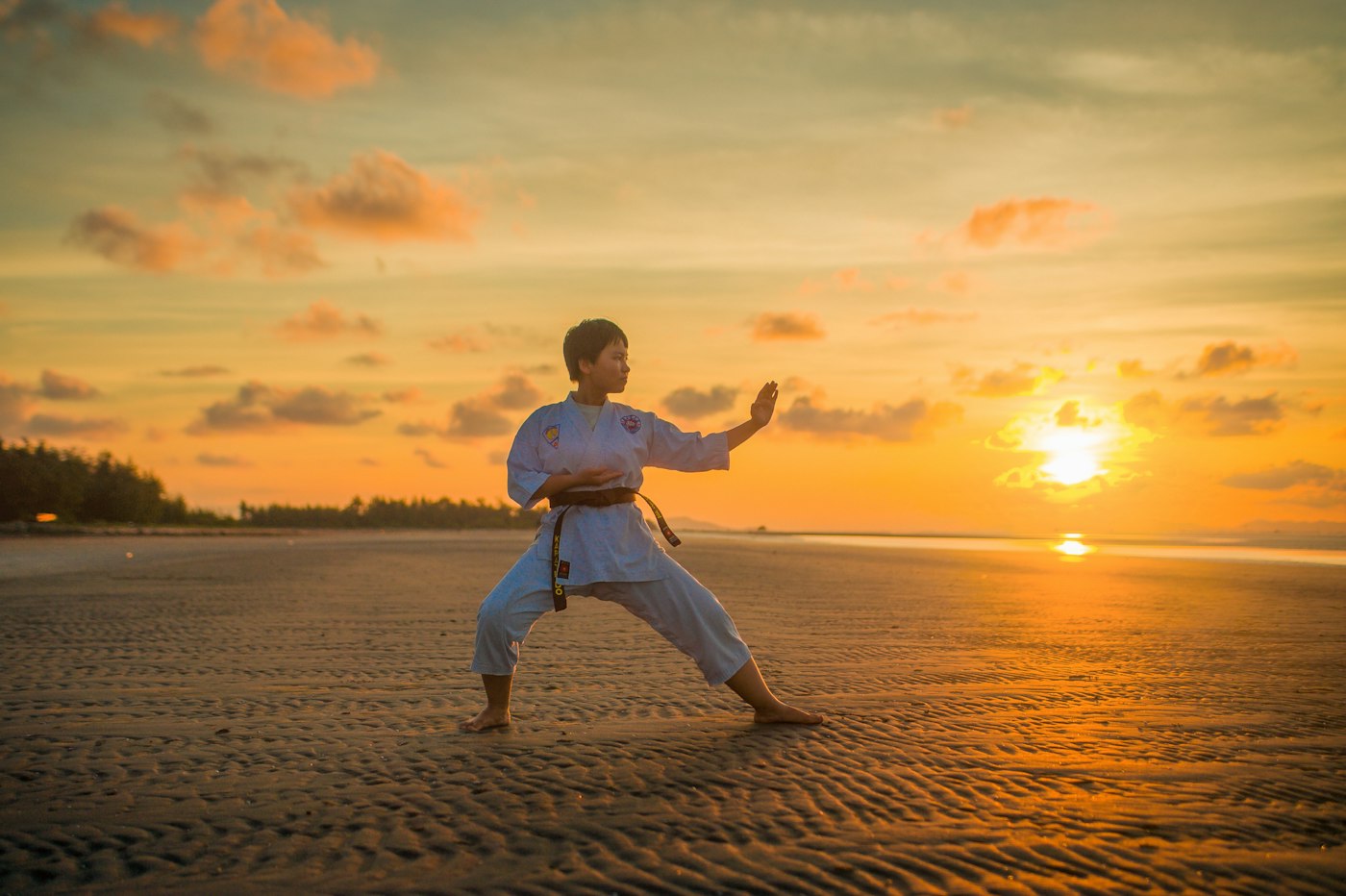
Muay Thai is Thailand's national sport, and in Phuket — where the island has produced world champions and hosts some of the best training camps in Asia — there's a tendency to think it's only for people with serious fighting ambitions. Completely wrong. The majority of people training Muay Thai at Phuket's expat-friendly gyms are fitness-focused non-fighters who chose it because it's genuinely the most effective, engaging workout on the island.
One session and you'll understand why: it's physically demanding, technical enough to keep your brain engaged, you have a dedicated trainer holding pads for you (unlike any gym class you've done before), and the social element is excellent. This guide tells you everything you need to know to get started.
What a Muay Thai Fitness Session Actually Looks Like
A typical 90-minute Muay Thai session at a Phuket gym looks like this:
- Warm-up (15–20 min): Running laps of the gym or skipping rope. A lot of skipping. Thai fighters skip extraordinarily well; you'll be humbled and then eventually excellent.
- Shadowboxing (5–10 min): Working technique in front of mirrors — basic stance, punches, kicks, movement.
- Heavy bag work (15 min): Combinations on the bag — you'll have a trainer guiding you through sequences.
- Pad work with trainer (20–30 min): This is the core. Your trainer holds Thai pads and calls combinations for you to hit. It's intense, it's personal instruction, and it's why Muay Thai is so effective as a workout.
- Clinch/technique work (optional, 10 min): At most gyms, fitness-track students skip heavy clinch work. Some find it interesting to learn the basics.
- Cool-down and core work (10–15 min): Sit-ups, stretching.
First session tip: Arrive 10 minutes early, introduce yourself to the trainer, and tell them you're a beginner. Most gyms will pair you with a patient trainer and keep the pace manageable. Wear shorts, a t-shirt, and bring water. You'll be provided wraps and gloves (most gyms include this or sell basic wraps for ฿100–200).
The Best Muay Thai Gyms in Phuket for Non-Fighters
Phuket has 50+ Muay Thai gyms. The ones that work best for fitness-focused expats are the ones that clearly cater to a mixed population — fighters and fitness enthusiasts — without making you feel like you're in the way of someone's fight preparation.
Tiger Muay Thai (Chalong)
The biggest and best-known gym in Phuket, on Moo 7 in Chalong near the Big Buddha road. Tiger is massive — multiple training areas, fitness classes separate from the fighter training ring, world-class trainers, and an excellent social atmosphere. The facilities are purpose-built and the trainer-to-student ratio is good. Cons: it's popular, particularly with short-stay tourists, so there's turnover in the client base. Monthly membership ฿6,000–8,000; drop-in ~฿600.
Rawai Muay Thai (Rawai)
A smaller, more community-oriented gym in Rawai — popular with long-term expats based in the south. The atmosphere is more personal than Tiger; you'll know the trainers and the regulars within a week. Good technical instruction. Monthly packages around ฿4,000–5,000.
Sinbi Muay Thai (Rawai)
Well-regarded for technical instruction. Also in the Rawai area, with a good mix of fighters, tourists, and long-term residents. The trainers are experienced and patient with beginners. A favourite among the female expat fitness crowd in the south of the island.
Phuket Top Team (Chalong)
MMA-focused with Muay Thai as a core discipline. Very popular with expats who want a broader combat sports fitness foundation. Monthly memberships include access to wrestling, BJJ, and boxing classes alongside Muay Thai. Excellent if you want variety. Around ฿5,000–7,000/month.
| Gym | Area | Best For | Drop-in | Monthly |
|---|---|---|---|---|
| Tiger Muay Thai | Chalong | All levels, facilities | ฿600 | ฿6,000–8,000 |
| Rawai Muay Thai | Rawai | Long-term expats, community | ฿500 | ฿4,000–5,000 |
| Sinbi Muay Thai | Rawai | Technique, beginners | ฿500 | ฿4,500–5,500 |
| Phuket Top Team | Chalong | MMA + Muay Thai variety | ฿600 | ฿5,000–7,000 |
| Sitsongpeenong | Chalong | Technique, serious fitness | ฿500 | ฿4,000–5,000 |
Kickboxing Fitness Classes (Non-Traditional)
If you want Muay Thai movements without the camp environment, several fitness studios in Bang Tao, Kamala, and Rawai offer cardio kickboxing classes. These are group fitness classes with kickboxing-inspired routines — more accessible for those who find the camp environment intimidating, and great for general fitness. They don't provide technical Muay Thai instruction but are excellent cardio and a good social workout.
Gyms like F45 (multiple locations in Phuket) and Crossfit boxes often incorporate kickboxing elements into their programming. Yoga and fitness studios also sometimes offer Muay Thai-influenced cardio classes — check the timetables at local studios.
Health Insurance Before You Start Training
Sports injuries happen. Bangkok Hospital Phuket handles them well — but bills accordingly without insurance. Cover from ฿18,000/year.
What to Buy (and What Not to Buy) Before You Start
You don't need to invest in gear before your first session. Most gyms provide wraps, gloves, and shin guards for drop-ins (or sell basic wraps inexpensively). Once you decide you enjoy it and are training regularly:
- Hand wraps: ฿150–300 at any Phuket sports shop or gym. Get cotton 4.5m wraps.
- Gloves: 14–16oz for pad work. Budget options from ฿800–1,500 at gyms; better brands (Fairtex, Top King — both Made in Thailand) from ฿1,800–3,500 at sports shops in Phuket Town or online.
- Shin guards: For sparring only — you won't need them for fitness-only classes. ฿900–2,000 for decent entry-level.
- Muay Thai shorts: Optional but fun — authentic Thai shorts in all colours from ฿200–600 at gyms, markets, and sports shops.
🛍️ Where to buy: Fairtex Brand shop is in Phuket Town. Most gyms stock their own branded equipment. Phuket Weekend Market in Kathu (Saturday–Sunday) often has sports gear. Budget gear from stalls at Central Festival mall.
The Social Dimension
One thing people don't anticipate: how social Muay Thai training becomes. You train with the same group of people, suffer together through the same gruelling sessions, and the shared experience creates quick bonds. Rawai Muay Thai and Sinbi in particular have strong communities of long-term expats who have made real friends through training together.
The post-training breakfast is a Phuket institution — a group of sweaty, exhausted, quietly triumphant people heading to a nearby Thai breakfast spot together. If you're new to Phuket and want to build a social circle quickly, this is one of the most reliable routes to it. Also see our guide to building a life as a single expat in Phuket.
Questions About Life in Phuket?
From fitness to housing to visas — we've been here six years. First question is free.
