Not the most glamorous topic, but one every expat runs into within the first week: where does the rubbish go? How does recycling work? Can I put cardboard in that bin? Why does the garbage truck come at midnight? If you've been staring at a pile of bottles wondering what to do, this is the guide for you.
Waste management in Phuket works differently from most Western countries, and the recycling infrastructure — though improving — is nowhere near what you might be used to. Here's what actually happens, and how to navigate it.
How Garbage Collection Works in Phuket
Rubbish collection in Phuket is managed by your local municipality (เทศบาล, Tessaban) or sub-district administrative organization (อบต., OrBorTor). The system differs slightly by area, but the basics are consistent:
- You put rubbish bags directly outside your gate, or at the end of your soi at a communal collection point
- Collection typically happens 3–6 times per week in urban areas; less frequently in rural areas
- Collection often happens at night (after 8pm) or very early morning (before 6am) — hence the midnight truck noise
- The cost is included in your municipality's service fee, which is usually collected annually or embedded in property/rental costs
- If you're in a managed condo or villa development, the management company handles the logistics — you just put rubbish in the designated bin area
| Area type | Typical collection frequency | How to put out rubbish |
|---|---|---|
| Urban (Phuket Town, Patong) | Daily or 6x/week | Outside gate, clear bag |
| Residential suburb (Rawai, Chalong) | 3–4x per week | Outside gate or communal point |
| Managed condo/villa estate | Daily (taken to central bins) | Building rubbish room or bins |
| Rural/moo ban | 2–3x per week | Communal bins at road end |
Recycling in Phuket: The Honest Picture
Phuket has a formal recycling infrastructure that is growing but remains limited. The honest answer is: recycling here takes more personal effort than in most European countries or Australia, but it is possible to recycle the major materials if you're motivated.
The Colour-Coded Bin System
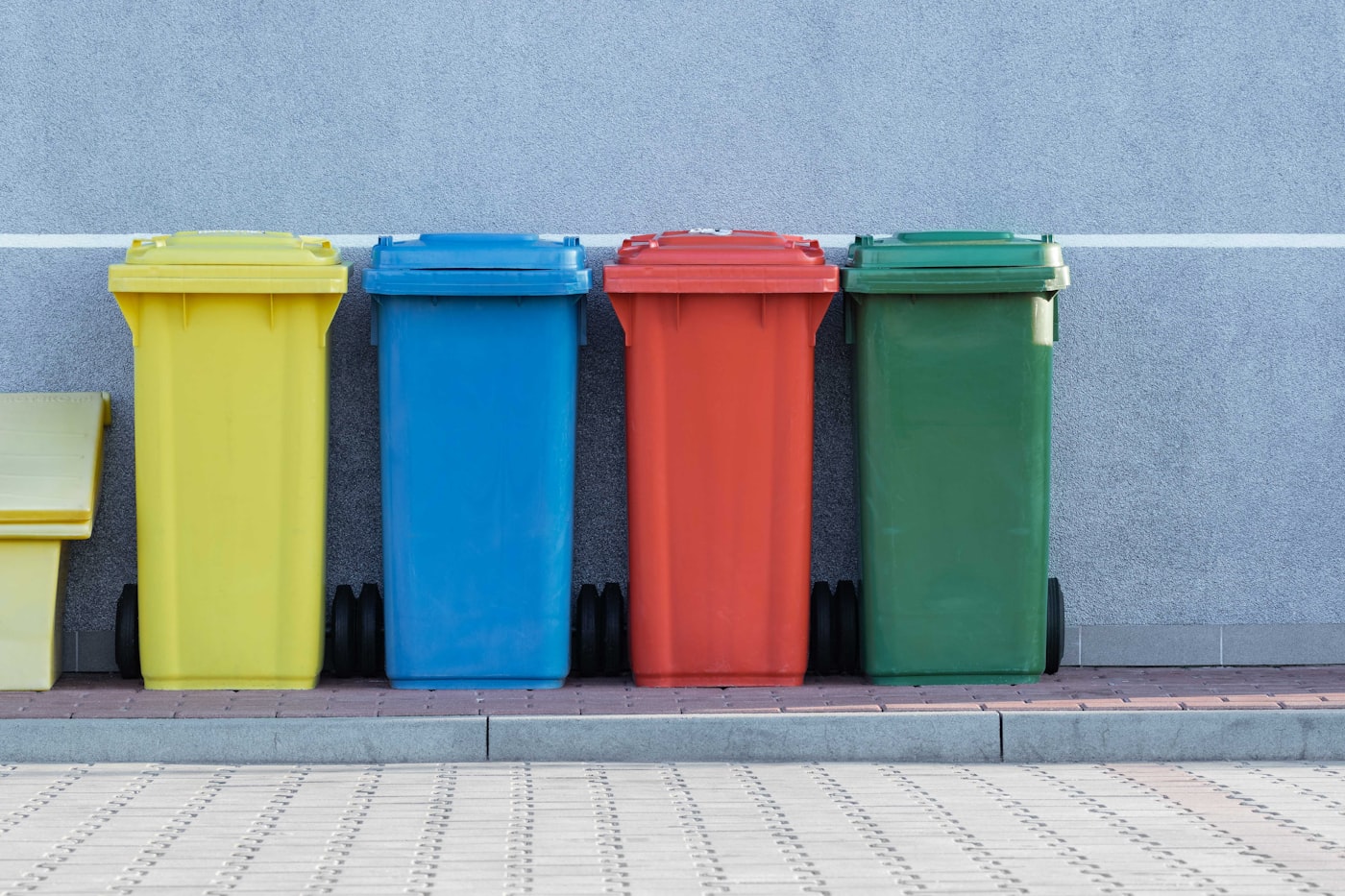
In some public areas and municipality developments, you'll see multiple-coloured bins:
- Green bins: General recyclables (plastic, glass, metal, paper)
- Blue bins: General waste
- Yellow bins: Hazardous waste (batteries, chemicals)
- Grey/black bins: General mixed waste
In practice, the separation is inconsistently maintained — crews sometimes consolidate bins. Don't rely on municipal bins as your primary recycling solution.
Recycling Banks (แบงก์ขยะรีไซเคิล)
Phuket municipality has been rolling out community recycling banks — drop-off points usually located at schools, community centres, OrBorTor offices and some public areas. You bring sorted recyclables (paper, cardboard, glass, plastic bottles, metal cans) and they're sent for processing. Check your local municipality website or Facebook page for your nearest location.
Supermarket Collection Points
The most accessible recycling option for most expats:
- Tops Supermarket (Central Floresta, Chalong, Boat Avenue): Plastic bottle and can collection bins at entrance
- Makro (multiple Phuket locations): Large cardboard/paper and plastic container collection
- Lotus's (formerly Tesco Lotus, multiple locations): Plastic bottle collection bins
- Rimping Supermarket (Chalong, Kamala): Collection bins plus minimal packaging policy on some products
Mobile Recycling Collectors
This is actually the most efficient recycling system in Phuket and it's been around for decades. Mobile collectors (ซาเล้ง, salee-ng — the small three-wheeled trucks you'll hear honking) go through residential streets and buy recyclable materials from you. They'll take:
- Paper and cardboard (฿1–฿3/kg)
- Glass bottles (฿0.50–฿2/bottle)
- Aluminum cans (฿20–฿30/kg)
- Plastic bottles — PET (฿5–฿8/kg)
- Scrap metal (฿5–฿15/kg)
Keep a bag in your kitchen for recyclables, leave it by your gate when you hear the truck, and they'll come back the same day. You won't get rich, but your recyclables will actually be recycled rather than going to landfill.
E-Waste and Batteries
Electronic waste and batteries should never go in regular rubbish. In Phuket:
- Power Buy (Central Floresta branch, Chalong branch): Accepts old electronics, phones, laptops, batteries for safe disposal
- HomePro (Chao Fa Road, near Chalong): Battery collection box at customer service desk
- Tops Supermarkets: Battery drop-off bins
- Manufacturer take-back: Some brands (Samsung, Apple) have take-back programmes — check their Thailand websites
- Second-hand shops: Working electronics — many shops in Phuket Town's market area will buy working or partly working devices
Reducing Plastic Waste in Phuket
Phuket generates enormous amounts of plastic waste — largely from the tourism and food-to-go sector. As an expat resident rather than a tourist, you have more control over your consumption. Practical steps that actually make a difference:
- Water: Switch from buying plastic bottles to using a 20L jug refill service (฿35–฿60/jug, delivered). Far cheaper and eliminates dozens of bottles per month. See our Phuket tap water guide for safe water options.
- Shopping bags: Makro, Tops, Lotus's and Rimping all charge ฿1–฿3 for plastic bags. Bring your own — you'll save money and reduce waste.
- Coffee cups: Most coffee shops will fill your own cup. Starbucks, local cafés, even 7-Eleven will use your reusable cup if you hand it over.
- Morning markets: Buy produce at local markets (Rawai Seafood Market, Nai Harn market, Cherng Talay market) rather than plastic-wrapped supermarket produce.
- Food delivery: When using Grab Food or Foodpanda, leave a note requesting no plastic bags and minimal plastic cutlery — many restaurants will comply.
Setting up home in Phuket?
From utility bills to sorting out recycling, our team helps expats navigate the practical side of Phuket life. Ask us anything.
Ask a Question →Area-Specific Notes
| Area | Municipality | Notes |
|---|---|---|
| Phuket Town | Phuket City Municipality | Most developed collection + recycling system; daily collection in central areas |
| Patong | Patong Municipality | High tourism volume = intensive collection; recycling banks at some points |
| Rawai / Nai Harn | Rawai SAO | 3–4x/week collection; mobile recyclers frequent; check local FB group for schedule |
| Chalong | Chalong SAO | Similar to Rawai; HomePro and Rimping on Chao Fa Road for recycling drops |
| Bang Tao / Cherng Talay | Cherng Talay SAO | Rapid development area; many managed estates handle internally |
| Kamala | Kamala SAO | Smaller area; informal mobile collector system works well |
Related practical guides: setting up utilities in Phuket, electricity bills and solar in Phuket, Phuket water quality guide, and the housing hub for everything about setting up your Phuket home. See our start here guide for the full expat setup roadmap.
