Ethical Elephant Sanctuaries Near Phuket
Phuket has dozens of elephant venues. Most of them — even the ones with "sanctuary" in the name — are not operating ethically. This is one of those topics where the marketing language has outpaced the reality. After six years in Phuket, seeing the places that have genuinely changed and the ones that haven't, here's the honest guide to what ethical actually means and which places near Phuket come closest to the real thing.
What Makes an Elephant Sanctuary Genuinely Ethical?
The word "sanctuary" has been heavily overused in Thai tourism. A genuine sanctuary operates on fundamentally different principles from a traditional elephant camp or show venue:
✓ Signs of a Genuine Ethical Sanctuary
- No riding under any circumstances — not bareback, not with a saddle, not as part of a "traditional" activity
- No bullhooks (ankus) — the metal hook used in traditional elephant training is absent from handlers
- Elephants can choose whether to approach visitors — they are not chained or forced to interact
- Natural behaviour is encouraged — mud bathing, foraging, socialising with other elephants
- Transparent about the elephant's history — where they came from, what they were doing before
- Limited visitor numbers — good sanctuaries limit how many people each elephant sees per day
- Dedicated vet on-call or regular veterinary oversight
- Income goes towards elephant care, not primarily to shows or entertainment
🚩 Red Flags — Avoid These Venues
- Elephant riding in any form — this is the clearest indicator of non-ethical treatment
- Elephants painting pictures or performing tricks — this requires aversive training
- Handlers carrying bullhooks openly or keeping them on their person
- Elephants kept chained for extended periods when not with tourists
- Very low prices (฿500–1,000/person) — genuine elephant care is expensive
- Baby elephants used heavily for photos — baby elephant handling is often extremely stressful for the animals
- No information about the elephants' backgrounds or welfare practices
Ethical Elephant Sanctuaries Near Phuket 2026
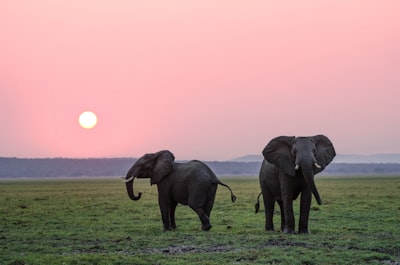
Part of the wider Elephant Jungle Sanctuary network (also operating in Chiang Mai). The Phuket location in Paklok was one of the first Phuket venues to genuinely eliminate riding and the bullhook. Visitors feed, walk alongside, and bathe with the elephants in a forested setting. The elephants' historical backgrounds are shared openly — most were formerly in the logging or trekking industry. Consistently receives strong independent reviews for authentic ethical practices. Book in advance — popular November to March.
Conveniently located for Bang Tao and Laguna area residents — one of the closest ethical elephant experiences to the main expat community in northern Phuket. Smaller operation than Elephant Jungle Sanctuary with typically 4–6 elephants. Good for families with children as the setting is accessible and the programme is well-structured. Check recent reviews as smaller operations can change management and standards.
The best elephant experiences in Thailand are actually not in Phuket at all — they're in Chiang Mai (Elephant Nature Park) or Surin Province (Baan Ta Klang and legitimate sanctuary partners). If you're serious about elephant welfare, a trip to Chiang Mai specifically for Elephant Nature Park is worth the flight. But for a Phuket-based visit, the sanctuaries above are genuinely better than the industry average.
Elephant Venues Near Phuket — Quick Comparison
| Venue | Location | No Riding | Cost | Our View |
|---|---|---|---|---|
| Elephant Jungle Sanctuary | Paklok, Thalang | ✓ Yes | ฿2,800–4,800 | Most recommended — genuine no-riding policy |
| Phuket Elephant Care | Cherng Talay | ✓ Yes | ฿2,500–4,500 | Good option, convenient for Bang Tao area |
| Phang Nga Elephant Park | Phang Nga (45 min north) | ✓ Yes | ฿2,500–3,500 | Good reviews, slightly further from Phuket |
| Older trekking camps | Various Phuket/Phang Nga | ✗ Riding offered | ฿800–1,500 | Avoid — lower price usually means corners cut |